

Aokai manufactures non woven filter cloth for industrial baghouses and dust collection systems. Our range includes polyester, acrylic, aramid, PPS, P84, PTFE, fiberglass and blended needle felt.
- Available as filter media rolls or finished bags
- Materials for standard, corrosive and high-temperature conditions
- Custom weight, thickness, air permeability and surface finish
What Is Non Woven Filter Cloth?
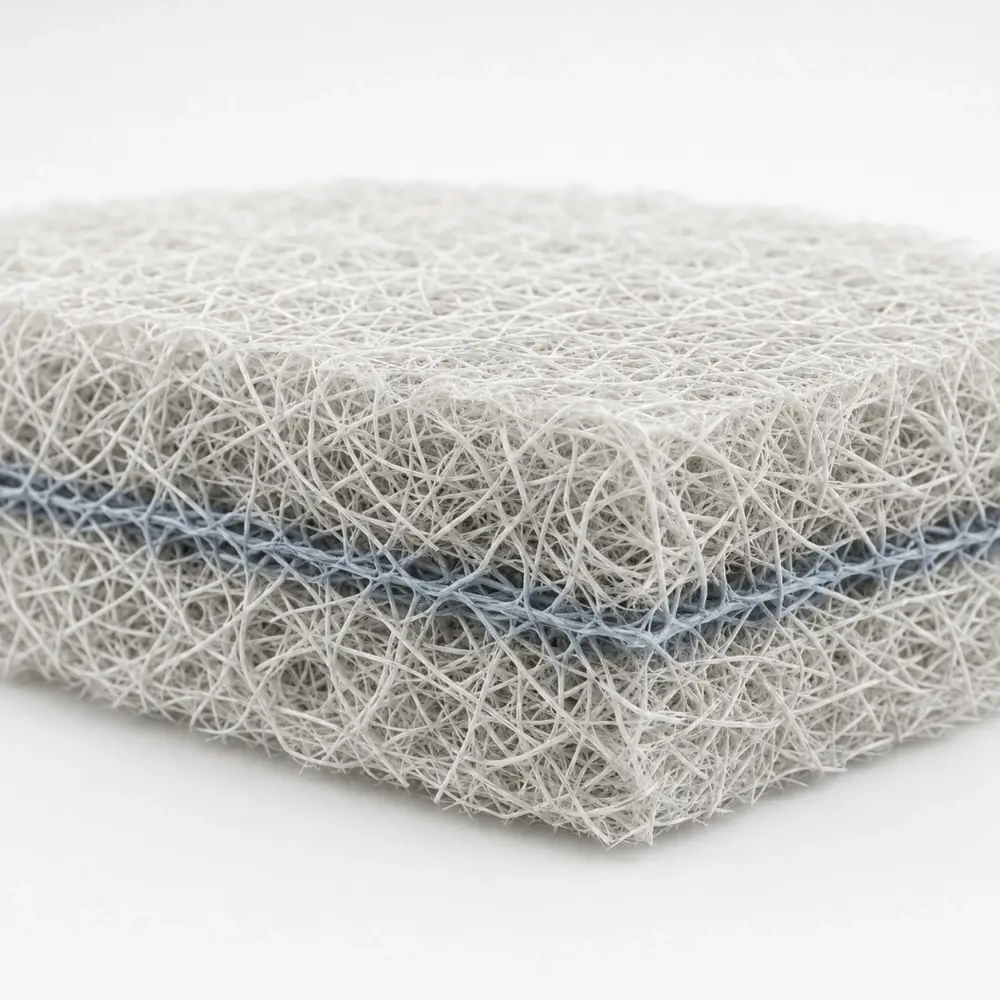
Non woven filter cloth is made from fibers that are mechanically entangled rather than woven into a regular warp-and-weft pattern. In industrial dust collection, the most widely used construction is needle-punched felt.
A typical needle felt contains a supporting scrim between two layers of fiber. Thousands of barbed needles repeatedly pass through the fiber web, pulling the fibers together and locking them around the scrim. The result is a stable, three-dimensional filtration structure with controlled weight, strength and air permeability.
This structure gives the dust more than one path to follow. Particles may be captured within the fiber layer, retained by the dust cake or collected on a membrane surface.
Nonwoven Filter Cloth Materials

Aramid Non Woven Filter Cloth
Aramid needle felt is designed for higher-temperature dust collection. It is commonly used in asphalt mixing plants, cement processes, metal production and other systems where polyester cannot tolerate the operating temperature.

PTFE(Teflon) Non Woven Filter Cloth
PTFE needle felt is selected for severe chemical exposure and high operating temperatures. The fiber resists most acids and alkalis and does not absorb moisture in the same way as many conventional materials.

PPS Non Woven Filter Cloth
PPS is widely used where heat, moisture and acidic gas occur together. It performs well in coal-fired boilers, power generation and selected chemical processes because it resists hydrolysis and many acids and alkalis.

Polymide (P84)Non Woven Filter Cloth
P84 is a polyimide filter material recognized for its irregular, multilobal fiber shape. This creates a large fiber surface area and supports effective fine-dust capture without relying entirely on a heavy dust cake.
Acrylic Needle Felt Non Woven Filter Cloth
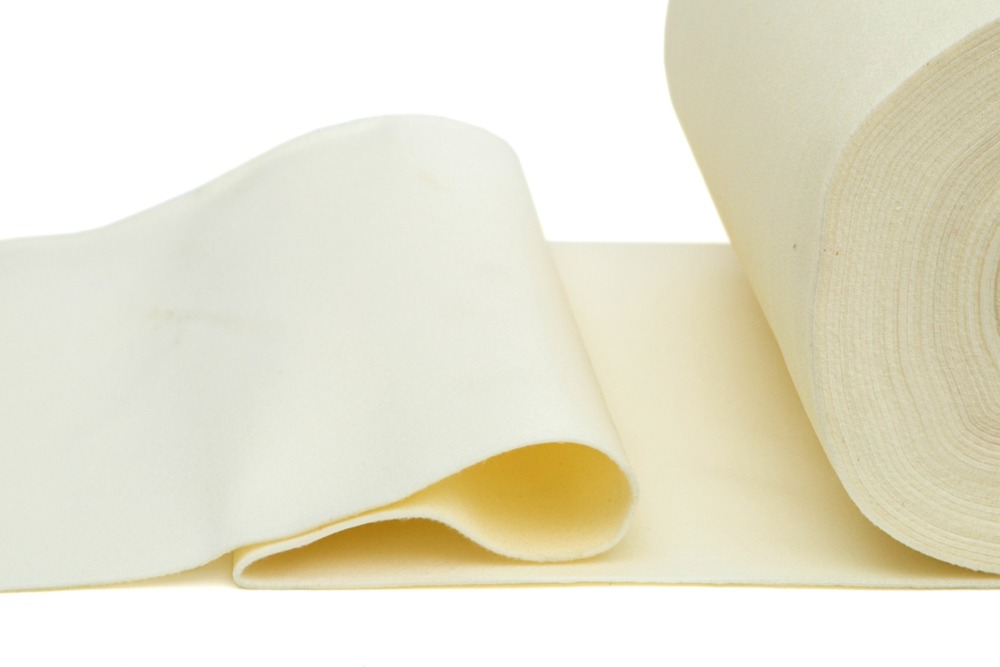
Acrylic needle felt is often considered when the gas is too wet or mildly acidic for conventional polyester but does not require a high-temperature material.

Polyester Non Woven Filter Cloth
Polyester is the standard choice for many dry dust collection systems operating at moderate temperatures. It offers useful mechanical strength, stable dimensions and good resistance to normal baghouse cleaning cycles without pushing material cost unnecessarily high.
Typical Technical Specifications
| Material | Working Temperature | Instant Temperature | Abrasion Resistance | Hydrolysis Resistance | Acid Resistance | Alkali Resistance | Oxidation Resistance |
|---|---|---|---|---|---|---|---|
| Acrylic Needle Felt | 130℃ | 150℃ | Middle | Good | Good | Middle | Good |
| Polyester Needle Felt | 130℃ | 150℃ | Excellent | Poor | Middle | Fair | Good |
| PPS Needle Felt | 160℃ | 190℃ | Good | Excellent | Excellent | Excellent | Fair |
| Aramid Needle Felt | 204℃ | 240℃ | Good | Middle | Middle | Good | Middle |
| P84 Needle Felt | 240℃ | 260℃ | Good | Middle | Middle | Middle | Good |
| PTFE Needle felt | 240℃ | 260℃ | Good | Excellent | Excellent | Excellent | Excellent |
| Fiberglass Needle Felt | 240℃ | 260℃ | Fair | Good | Middle | Fair | Good |
| Woven Fiberglass Filter Cloth | 240℃ | 260℃ | Good | Good | Good | Good | Good |
Nonwoven Filter Cloth vs. Woven Filter Cloth
| Selection Factor | Nonwoven Needle Felt | Woven Filter Cloth |
|---|---|---|
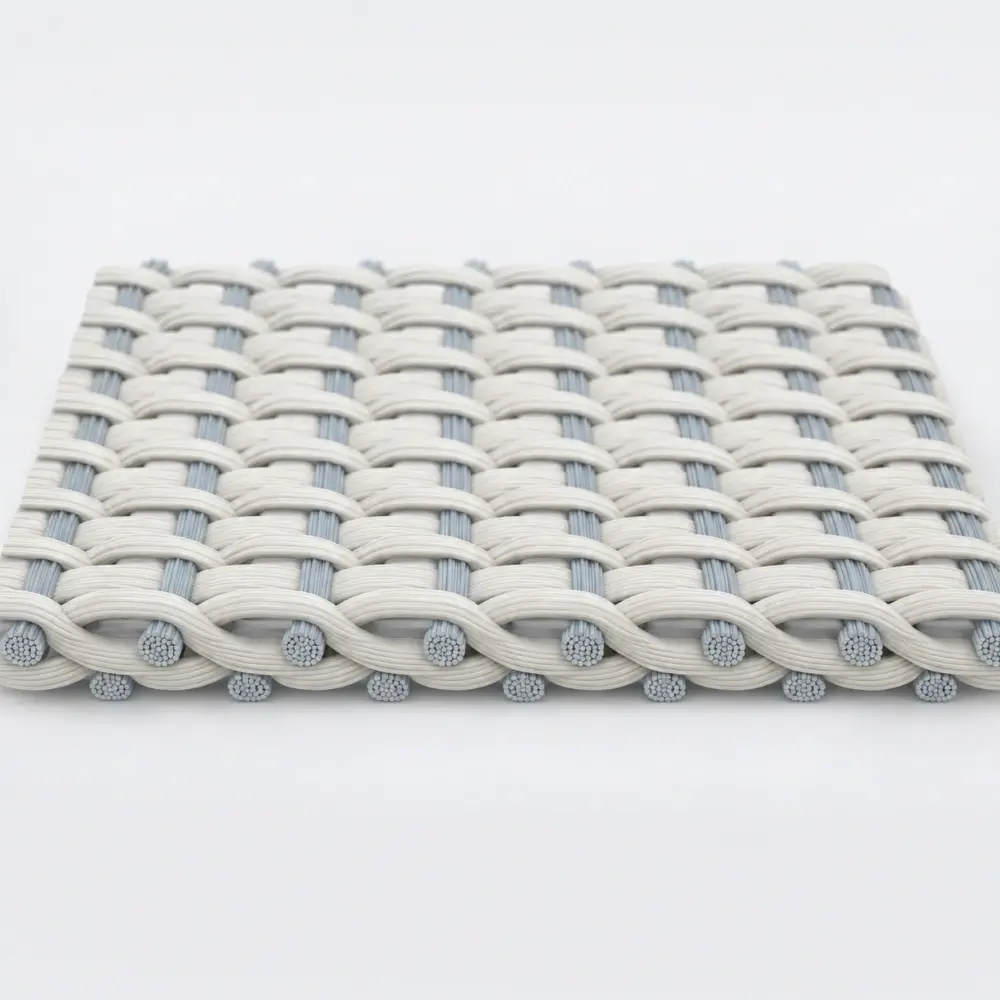
| Construction | Fibers mechanically entangled around a supporting scrim | Warp and weft yarns interlaced in a defined weave |
| Filtration structure | Three-dimensional fiber network | More regular yarn and pore structure |
| Fine-dust capture | Well suited to fine industrial dust | Depends strongly on weave, finish and dust cake |
| Permeability control | Adjusted through fiber, weight, needling and finishing | Adjusted through yarn type and weave |
| Mechanical behavior | Good balance of strength and flexibility | High dimensional stability in suitable constructions |
| Common cleaning systems | Widely used in pulse-jet baghouses | Often used in shaker and reverse-air systems |
| Typical materials | Polyester, acrylic, aramid, PPS, P84 and PTFE | Fiberglass and other woven yarn materials |
Nonwoven Filter Cloth
Woven Filter Cloth
Applications of Non Woven Filter Fabric
How Needle Punched Filter Fabric Is Made
From Fiber to Filter: Full Control of Quality
Raw Material Selection
Mixing and Pretreatment
Intelligent Spinning & Web Formation
Precision Needle Punching Molding
Heat Setting
Singeing Treatment
Membrane Lamination
water/oil repellency
Frequently Asked Questions
Non woven filter cloth is used as the filtration media in industrial dust collector bags. It captures airborne particulate from processes such as cement production, asphalt mixing, power generation, metal processing, chemical production, mining and waste incineration.
Needle felt is the most common type of nonwoven filter cloth used in industrial baghouses. It is produced by repeatedly punching fiber layers around a supporting scrim. Other nonwoven manufacturing methods exist, so the two terms are closely related but not universally identical.
Common materials include polyester, acrylic, aramid, PPS, P84, PTFE and fiberglass. Blended constructions are also available. The correct choice depends on temperature, moisture, chemical exposure, dust characteristics and cleaning method.
Woven cloth is made from interlaced warp and weft yarns. Nonwoven filter cloth uses a mechanically entangled fiber structure, usually supported by a scrim. Needle felt provides a three-dimensional filtration path and is widely used in pulse-jet dust collectors.
Contact Us
All information will be kept confidential.