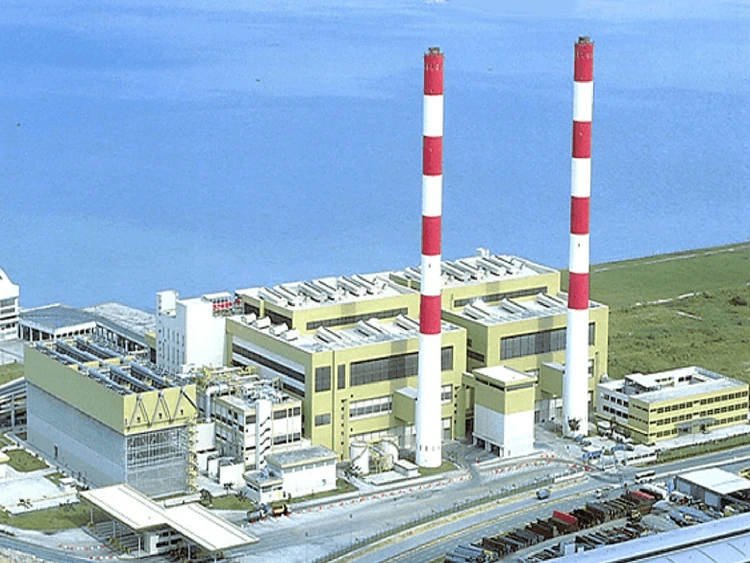


Waste Incineration Industry
The waste incineration industry is a critical component of modern waste management. Its primary purpose includes:
- Waste Reduction: Incineration significantly decreases the volume of municipal and industrial waste, minimizing landfill dependency.
- Energy Recovery: Many incineration plants operate as Waste-to-Energy (WTE) facilities, converting heat from combustion into electricity or district heating.
- Environmental Management: By controlling emissions and reducing methane production from landfills, incineration helps mitigate environmental impacts.
The necessity of waste incineration arises from the increasing global waste burden and the limitations of traditional landfill disposal. Some key factors driving its importance include:
- Space Constraints: Urban areas with limited land availability rely on incineration as a sustainable waste solution.
- Pollution Control: Modern incineration plants incorporate advanced flue gas treatment systems to reduce emissions and comply with environmental regulations.
- Material Recovery: Metals and other byproducts from incineration can be recycled, supporting circular economy efforts.