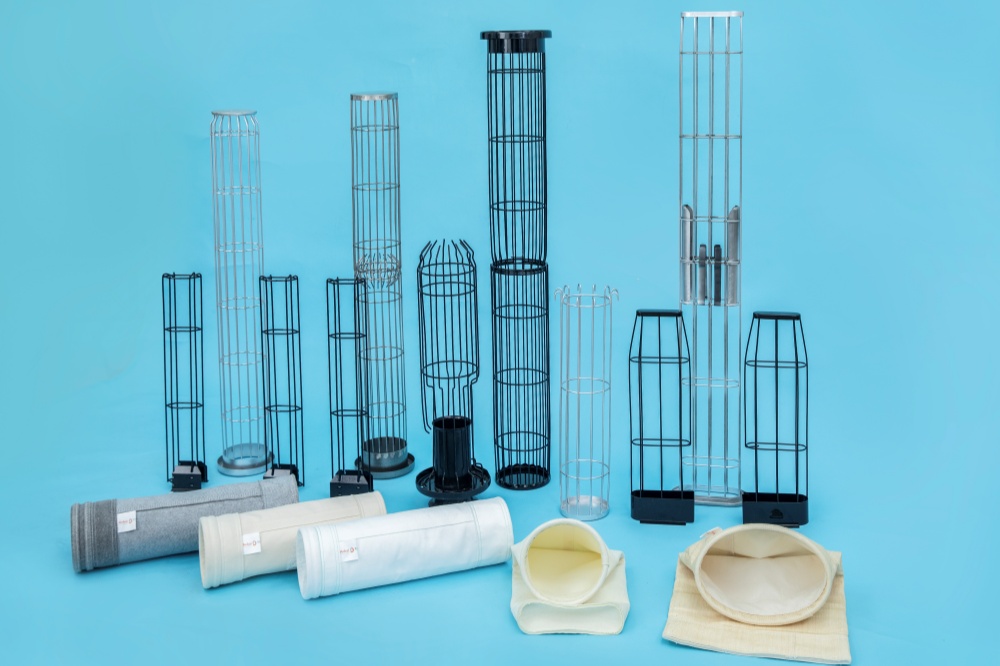



Homopolymer acrylic filter bags with strong hydrolysis resistance for low-temperature, high-humidity and mildly acidic dust collection systems.
Acrylic baghouse filter bags are more economical than other technical fabrics on the market. The fibers offer moder-ate chemical resistance but very good tensile strength. Since acrylic offers excellent hydrolysis resistance, it workswell in humid baghouse conditions with mild chemical attacks.
- Chemical Resistance :Homopolymer acrylic acid needle-punched filter bags have good corrosion resistance and are resistant to organic agents, oxidants, inorganic acids and organic acids and will not hydrolyze.
- Temperature Tolerance :Homopolymer acrylic filter bags can typically operate in temperatures up to 130°C .
- Durability :They have good abrasion resistance and mechanical strength, ensuring a longer lifespan compared to other types of filter materials.
- Low Energy Consumption :Homopolymer acrylic filter bags are soft in texture, require low cleaning pressure, have good vibration during cleaning, and are easy to remove dust, effectively reducing the consumption of compressed air, reducing maintenance, and saving operating costs.

Technical Specifications
| ITEM | PA155 | PAT155 |
|---|---|---|
| Material | 100% Homopolymer Acrylic Needle Felt | Homopolymer Acrylic Needle Felt |
| Working temperature (°C) | 130 | 130 |
| Peak temperature (°C) | 150 | 150 |
| Weight (g/m2) | 550±5% | 550±5% |
| Thickness (mm) | 3.0±10% | 2.4±10% |
| Air permenability (m3/m2/min@200Pa) | 14±20% | 16±20% |
| Tensile strength / warp(N/5cm) | ≥800 | ≥900 |
| Tensile strength / weft(N/5cm) | ≥800 | ≥1200 |
| Tensile elongation /warp(%) | ≤35 | ≤35 |
| Tensile elongation / weft(%) | ≤50 | ≤50 |
| 24-hour heat shrink / warp(%) | ≤1.5 | ≤1.5 |
| 24-hour heat shrink / weft(%) | ≤1.0 | ≤1.0 |
| Hydrolysis Resistance | Excellent | Excellent |
| Acid Resistance | Good | Good |
| Alkali Resistance | Moderate | Moderate |
| Available Construction | Custom | Custom |
*PA155, PAT155 are Aokai internal Acrylic filter bag model codes. Each model is developed with different fiber blend ratios, scrim constructions, surface finishes, and optional membrane or functional treatments to suit different filtration conditions.
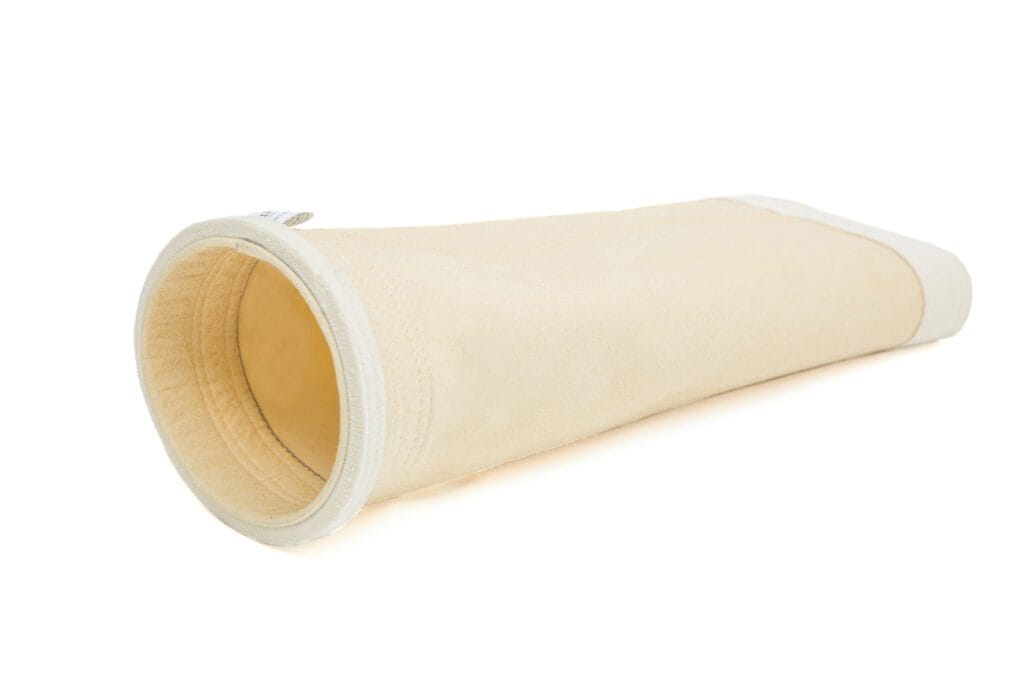
PAT155
Available Surface Treatments
| Treatment | Purpose | Recommended For |
|---|---|---|
| Singeing | Reduces loose surface fibers | Better dust release |
| Glazing / Calendering | Smooths the surface | Lower dust adhesion |
| Heat Setting | Improves dimensional stability | Stable operation |
| Water & Oil Repellent | Helps resist moisture and sticky dust | Humid, condensation-prone applications |
| PTFE Impregnation | Improves chemical resistance and dust release | Acidic and sticky dust conditions |
| ePTFE Membrane | Surface filtration and lower emissions | Fine dust and low-emission requirements |
| Anti-static Treatment | Helps reduce static accumulation | Combustible or static-sensitive dust |
Filter Bag Material Comparison
| Material | Typical Advantage | Best Operating Condition | Relative Cost |
|---|---|---|---|
| Polyester | Cost-effective | Dry, low-temperature dust | $ |
| Acrylic | Better hydrolysis resistance | Humid and mildly acidic gas | $$ |
| PPS | Better sulfur and acid resistance | High-sulfur flue gas | $$$ |
| Aramid | Higher temperature resistance | Asphalt and medium-high temperature dust | $$$ |
| PTFE | Highest chemical resistance | Extreme corrosion and high humidity | $$$$ |
Processing Detail of Filter Bags
High quality seam designed for lowest emissions
Top and Bottom Configurations
Support Rings

Proven in Tough Industries
No matter if your plant is dealing with high humidity or acidic corrosion, acrylic filter bags deliver reliable performance, helping you reduce downtime and meet environmental standards.
Waste Incineration Plants
Power Plants (Coal-Fired Boilers)
Chemical Processing Industry
Asphalt Mixing Plants
Adding an ePTFE membrane to an aramid filter bag allows the membrane to act as the filter cake. Dust stays on the surface of the membrane and does not get entrained into the fibers of the filter bag, which lengthens the life of your filter bag. It also reduces wear and tear, lower maintenance costs, and energy costs due to easy dust cake release during the cleaning cycle.

Quality Control
Raw material quality control
The raw materials of Aokai have undergone tests for 13 indicators in the laboratory, including fiber composition, air permeability, breaking strength and elongation at break, thermal shrinkage, moisture regain, oil content, and fiber melting point, with all test standards surpassing the relevant criteria.
Production process quality control
The factory has obtained ISO9001 and ISO14001 certifications. It operates in accordance with the 7S management standards, strictly controls product quality in line with international high-end product testing standards, retains inspection records for more than 3 years and electronic records permanently, ensuring the traceability of each batch of products.
About Aokai
Aokai Environtec is a leading manufacturer of baghouse filter cloth, filter bags,filter cage. Founded in 2004 and headquartered in China, our products are used in a variety of applications and industries, including asphalt mixing plants, cement plants, mining operations, power generation plants, metallurgy industry, renewable energy industry, waste incineration plants, and other industrial facilities. Our mission is to make the world a cleaner and better place by protecting people, the planet, and production from the harmful effects of industrial processes.
Years of Serving Customers
㎡ – Modern Production Base
Customers Worldwide
Exporting Country


3,000,000 pcs
Annual Filter Bag Production
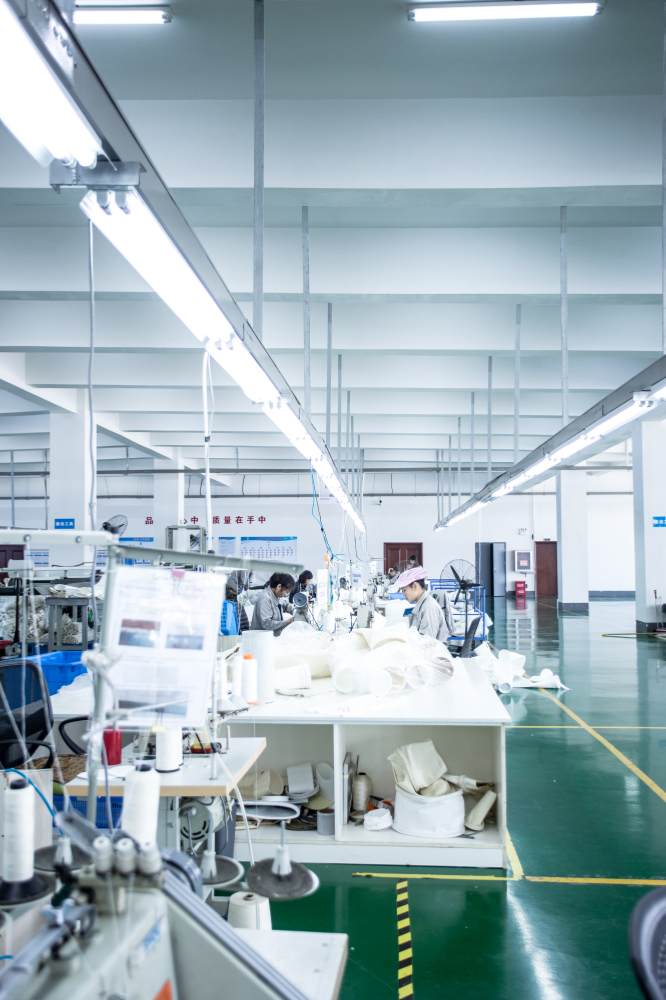
- Automatic Multi-Task Production Lines
- Precision Sewing
- Heat Sealing
- Pinhole Sealing
- Seam Lamination


2,000,000 m
Annual Cage Production
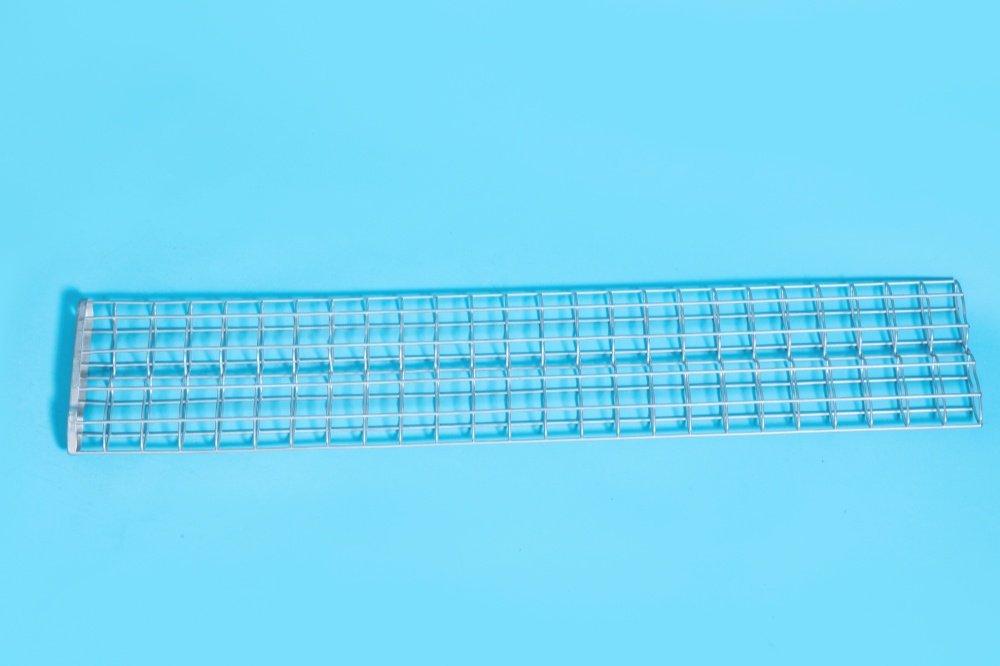
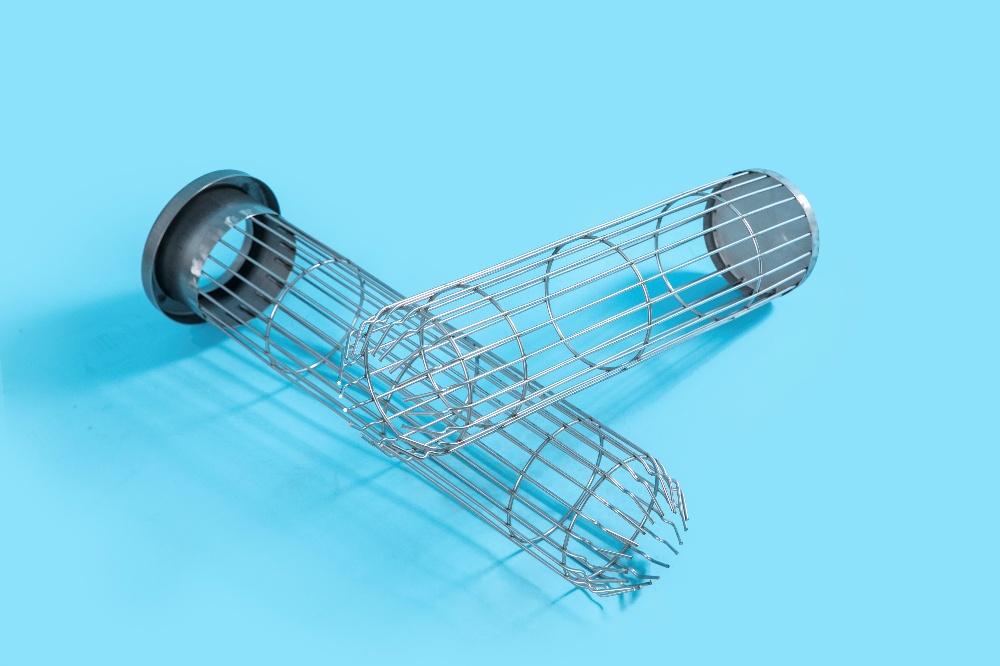
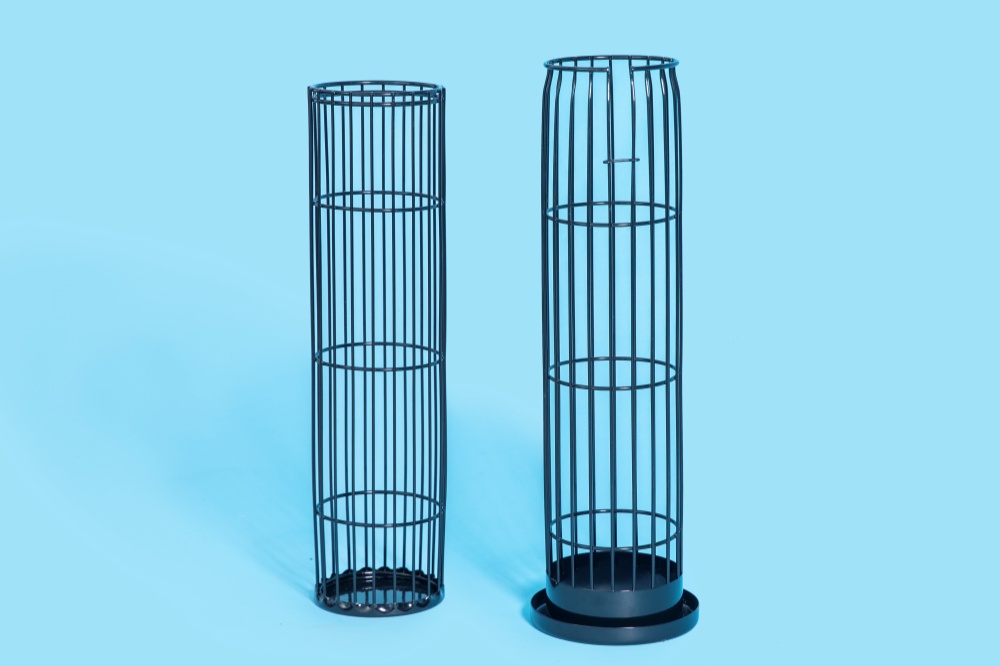
- Filter Cages of All Shapes & Sizes
- Cage Treatments
- Silicone Coating
- Galvanizing
- Passivation (stainless steel)
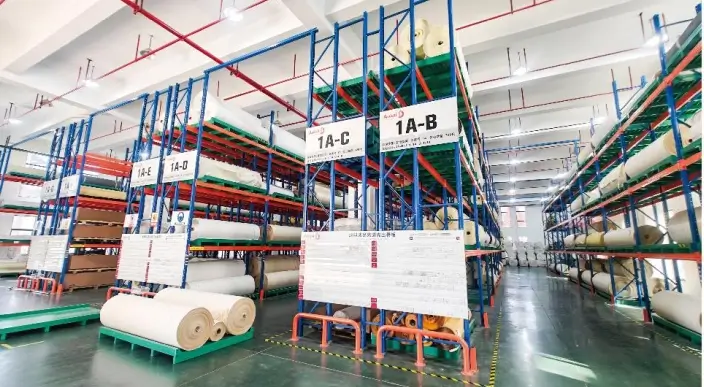
1,000,000 ㎡
Smart Warehousing


HELP & SUPPORT
Acrylic Filter Bags FAQ
Acrylic filter bags are industrial dust collection bags made from acrylic needle felt. They are commonly used in baghouse dust collectors operating under low-temperature, high-humidity, and mildly acidic gas conditions. Compared with standard polyester filter bags, acrylic media generally provides better resistance to hydrolysis.
The main difference is moisture resistance. Polyester filter bags are cost-effective for dry, low-temperature dust collection, while acrylic filter bags are often a better choice when moisture, condensation, or mildly acidic gas may cause hydrolysis damage to polyester media.
Yes. Acrylic filter bags are widely selected for humid gas conditions because of their good hydrolysis resistance. They can be suitable for applications with moisture or condensation risk, provided the operating temperature, gas composition, and dust characteristics are within the recommended range.
Acrylic filter bags are typically used in low- to medium-temperature dust collection systems. The allowable temperature depends on the fiber grade, surface treatment, gas composition, and operating conditions. Please provide your continuous operating temperature and peak temperature so we can recommend a suitable filter media.
Acrylic filter bags offer good resistance to mildly acidic gas conditions. However, they are not recommended for strong alkaline environments or applications with temperatures beyond the approved operating range. For more demanding chemical conditions, PPS, PTFE, aramid, or fiberglass filter bags may be more suitable.
Yes. As an acrylic filter bag manufacturer, Aokai can produce custom filter bags based on your dust collector design and operating conditions. Available options include custom diameter, length, top and bottom construction, snap band, cuff, flange, reinforcement, sewing thread, and surface treatment such as singeing, glazing, PTFE treatment, water and oil repellent treatment, anti-static treatment, or ePTFE membrane lamination.
Contact us
*All information will be kept confidential.