

Industry Overview

Atık Yakma Endüstrisi

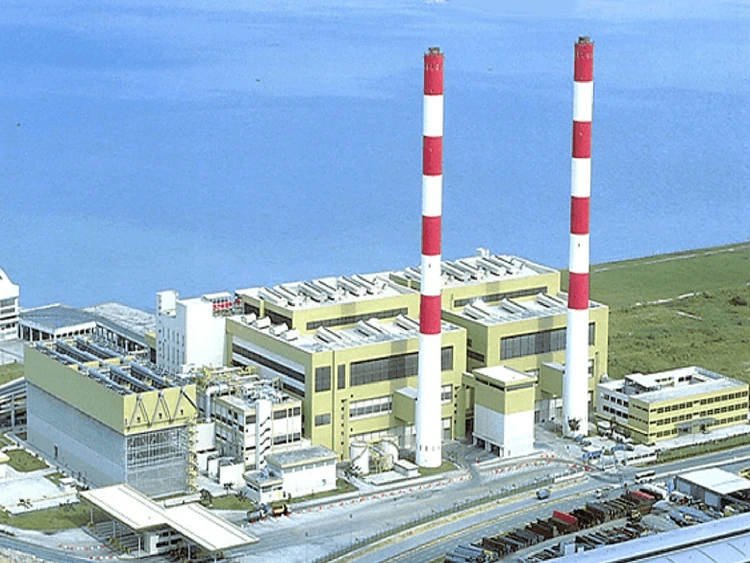
The waste incineration industry is a critical component of modern waste management. Its primary purpose includes:

  • Waste Reduction: Incineration significantly decreases the volume of municipal and industrial waste, minimizing landfill dependency.
  • Energy Recovery: Many incineration plants operate as Waste-to-Energy (WTE) facilities, converting heat from combustion into electricity or district heating.
  • Environmental Management: By controlling emissions and reducing methane production from landfills, incineration helps mitigate environmental impacts.

The necessity of waste incineration arises from the increasing global waste burden and the limitations of traditional landfill disposal. Some key factors driving its importance include:

  • Space Constraints: Urban areas with limited land availability rely on incineration as a sustainable waste solution.
  • Pollution Control: Modern incineration plants incorporate advanced flue gas treatment systems to reduce emissions and comply with environmental regulations.
  • Material Recovery: Metals and other byproducts from incineration can be recycled, supporting circular economy efforts.
waste incineration reception
Waste Incineration Plant Filtration Characteristics

Dust Collection Challenges

Baghouse dust collection is one of the most effective methods for controlling particulate emissions in waste incineration plants, but it faces several operational challenges .Filter Bags for Waste Incineration Plants challenges include:

High-Temperature and Corrosive Gas Exposure

  • Heat Resistance: Flue gases from waste incineration can reach extremely high temperatures, requiring baghouse filters made from heat-resistant materials like fiberglass, PPS, or PTFE.
  • Chemical Corrosion: Acidic gases (HCl, SO₂, NOₓ) and moisture can degrade filter bags over time, leading to premature failure and increased maintenance costs.
  • Bag Coatings and Treatments: Specialized chemical-resistant coatings or membrane layers (e.g., PTFE lamination) are needed to enhance durability.

Fine and Sticky Particulate Matter

  • Ultrafine Dust Collection: Waste incineration generates extremely fine particles (PM2.5 and below), which can pass through standard filter media if not properly designed.
  • Sticky Residues: Certain combustion byproducts, such as unburned carbon and tar-like substances, can cause filter bags to clog, reducing airflow and efficiency.
  • Frequent Cleaning Requirements: Pulse-jet cleaning systems must be optimized to prevent excessive dust cake buildup while maintaining filtration performance.

Baghouse Maintenance and Operational Challenges

  • Filter Bag Wear and Tear: High dust loading, abrasion from fly ash, and frequent pulse-jet cleaning can lead to mechanical wear, requiring regular bag replacements.
  • Pressure Drop Issues: Accumulated dust on the filter bags increases resistance to airflow, leading to higher energy consumption and reduced system efficiency.
  • Ash Disposal and Handling: Collected dust may contain hazardous substances (e.g., heavy metals, dioxins), requiring special handling and disposal procedures.

To overcome these challenges, baghouse systems in waste incineration plants must be designed with high-performance filter media, optimized cleaning mechanisms, and robust corrosion-resistant components. Regular monitoring and maintenance are essential to ensure long-term efficiency and compliance with environmental regulations.Therefore, our Filter Bags for Waste Incineration series was developed accordingly.

Aokai Dust Collection Solutions

Filter Bags for Waste Incineration Plants

Baghouses are still the most commonly used filtration solution to meet the emission control standards in the industry. As a leading manufacturer of baghouse filter media and filter bags, Aokai Environtec specializes in custom-made, high-performance, and low-emission PTFE Filtre TorbalarıPPS Filtre TorbalarıAramid Filtre Torbaları, ve Fiberglas Filtre Torbaları that are specifically designed to meet the challenges faced by the waste incineration industry.

Aokai uses the highest quality fabric raw materials from the most reputable suppliers (e.g., Teijin Conex, and DuPont Nomex). Focusing on industry-specific emission control requirements, our filter bags have the following advantages:

  • Reduced dust emissions
  • Increased filter bag life due to improved abrasion and corrosion resistance
  • Increased energy efficiency due to reduced cleaning
  • Sustainable production capacity due to increased airflow capacity
Aokai Waste Incineration Plant Filtration Solutions

Filter Media and Filter Bags for Waste Incineration Plants

Aokai baghouse filter media and filter bag products that are most commonly used in Waste Incineration Plants:

CharacteristicsRatingRating
ProductPT175MPT180M
Fiber Content100% PTFE100% PTFE
Ağırlık750g/m² (22.12oz/yd²)800g/m² (23.60oz/yd²)
Kalınlık1.0mm (0.039in)1.2mm (0.047in)
Sürekli Çalışma Sıcaklığı240°C (464°F)240°C (464°F)
Maximum Surge Temperature260°C (500°F)260°C (500°F)
Emission10mg/Nm³10mg/Nm³
Aşınma Direnciİyiİyi
Asit DirenciMükemmelMükemmel
Alkali DirenciMükemmelMükemmel
Moist Heat ResistantMükemmelMükemmel
Energy AbsorbsionMükemmelMükemmel
Filtration Property99.99%99.99%
Hazardous Solid Waste Industry

Our Solutions-​Special Filter Bag Technology

Advanced automated bag sewing equipment, featuring computer-controlled stitch position and density, automatic fabric alignment, thread breakage self-stop, auxiliary needle hole sealing, and film laminating technologies, designed to meet ultra-low emission requirements.

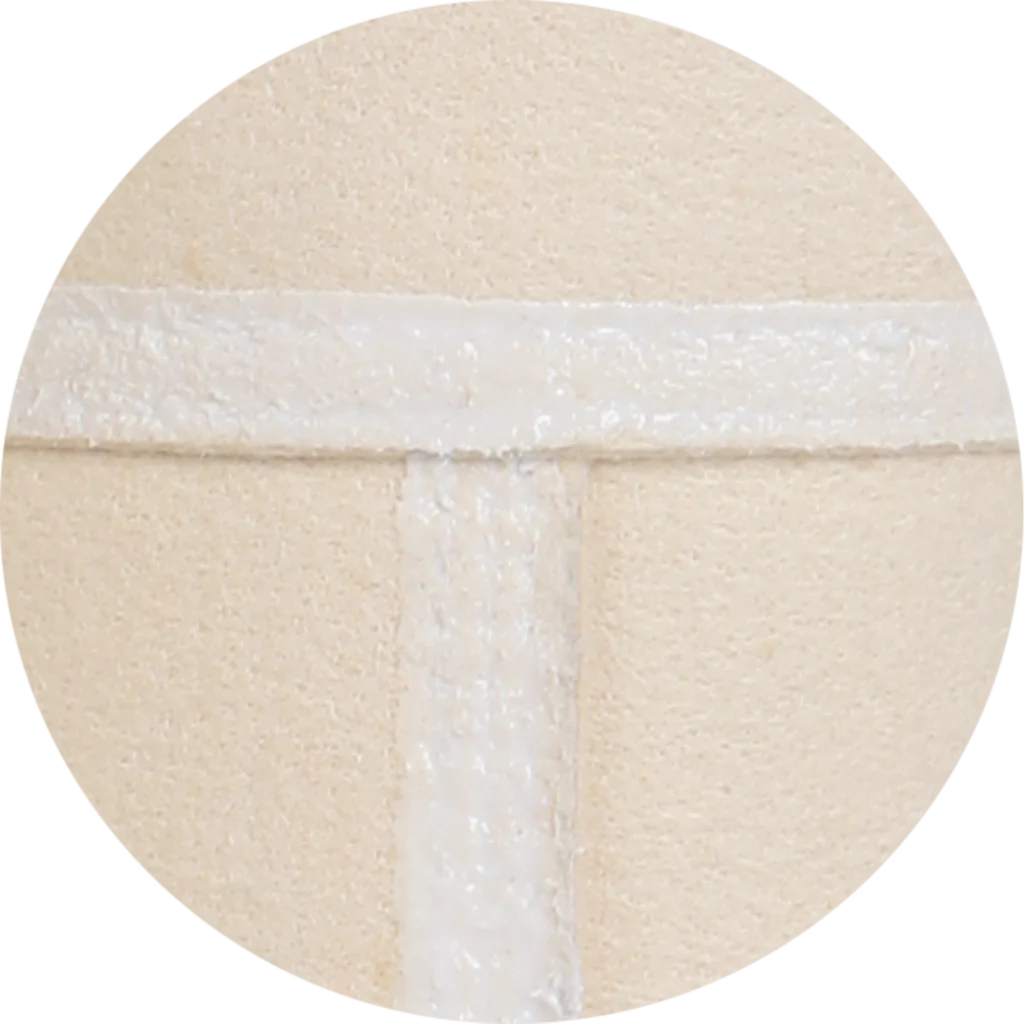
Pinhole Sealing Technology

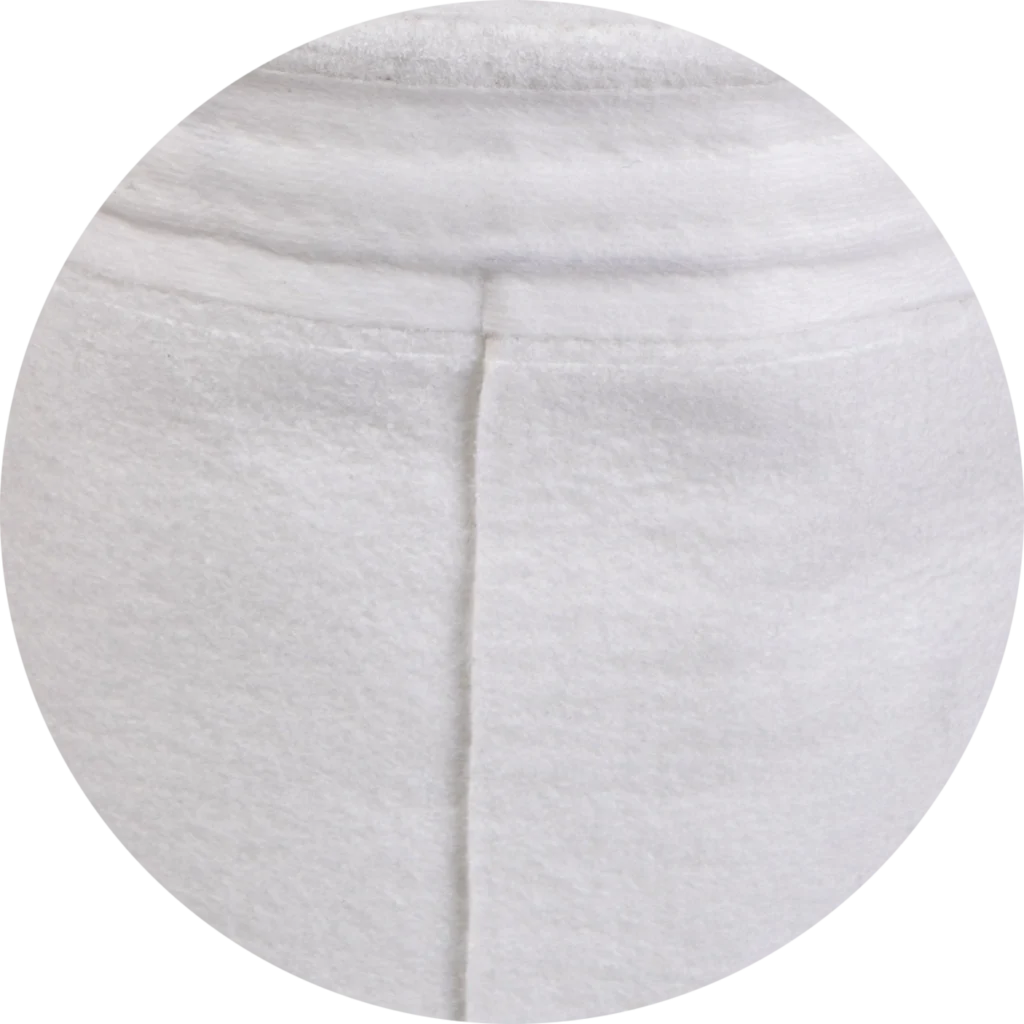
Seamless Stitching Technology

Seamless Sewing Technology

Seamless Stitching Technology

PTFE Dust Filter Bags
Hazardous Solid Waste Industry

Our Solutions-PTFE Filter Bags(PT175M)

1. Ultra-high dynamic filtration efficiency

A dynamic filtration efficiency of over 99.999% is achieved, ensuring the cleanliness of the filtered medium.​

2. High-precision filtration

It is capable of capturing sub-micron ultrafine dust with a particle size below 1μm, making it suitable for applications requiring extremely high filtration precision.​

3. Low friction and smooth surface

The low friction coefficient and smooth surface reduce the buildup of impurities, thereby preventing an increase in filtration resistance.

1. Ultra-high dynamic filtration efficiency

A dynamic filtration efficiency of over 99.999% is achieved, ensuring the cleanliness of the filtered medium.​

4. Excellent dust release properties

During the cleaning process, adhered dust is easily released from the filter bag surface, facilitating the cleaning operation and reducing maintenance costs and complexity.

5. High temperature resistance​

The laboratory equipment can withstand temperatures up to 260°C, maintaining stable structural integrity and filtration performance under high-temperature conditions.

6. Excellent corrosion resistance

​It is resistant to aqua regia and all organic solvents, and does not readily degrade or become damaged upon contact with various corrosive chemicals.

7. ​Long service life

Compared to conventional filter media,our PTFE Filter Bags(PT175) exhibits a significantly longer service life, thereby reducing downtime losses and material costs associated with frequent media replacement and enhancing the overall cost-effectiveness of the filtration system.

Advantage

Real customer case of filter bags used in the waste incineration industry

waste incineration industry 1

Beijin Case (Waste incineration plant)

Filter media:PT175M

Bag size:Φ160×6100 mm

Bag quantity:2500 pcs

Gas volume:150000m3/h

Working temp:150-160℃

O2:8-11%

Clean method:Pulse jet blow

Emission:0.9-1.8mg/Nm³

waste incineration industry 2

Shanghai Case (Waste incineration plant)

Filter media:PT180M

Bag size:Φ160×6030 mm

Bag quantity:1080 pcs

Gas volume:114000m3/h

Working temp:140-170℃

O2:8-11%

Clean method:Pulse jet blow

Emission:<3mg/Nm³