

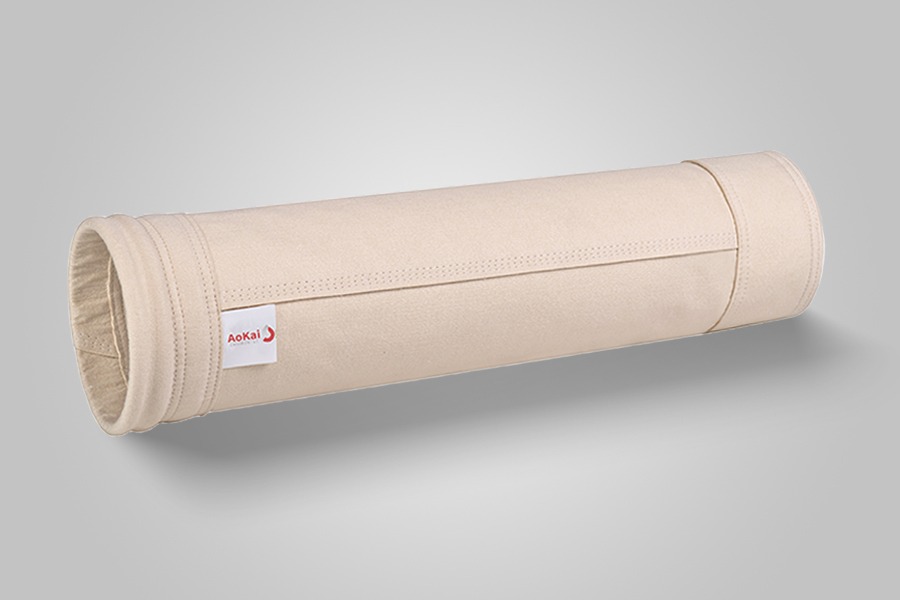
AoKai Filter Bags

PPS Filtre Torbaları

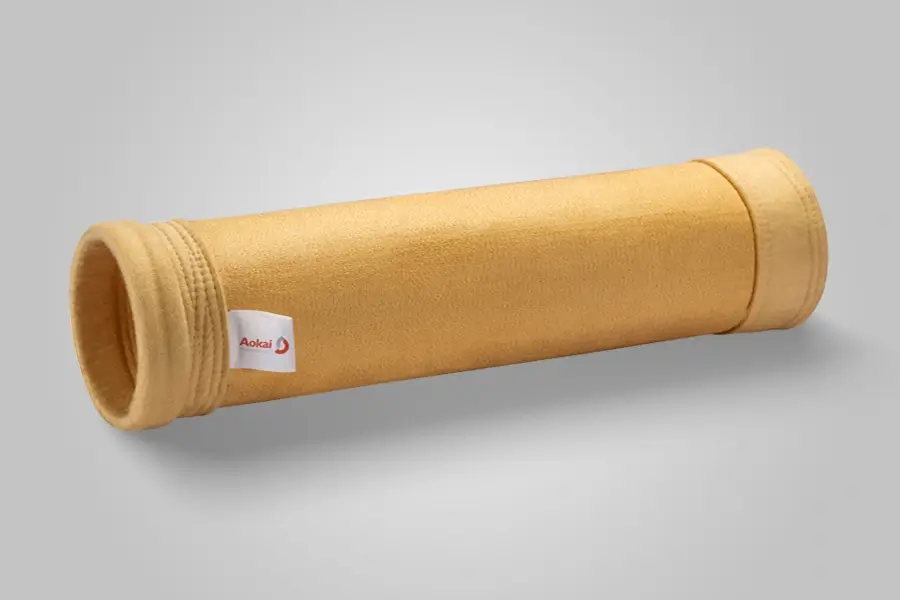
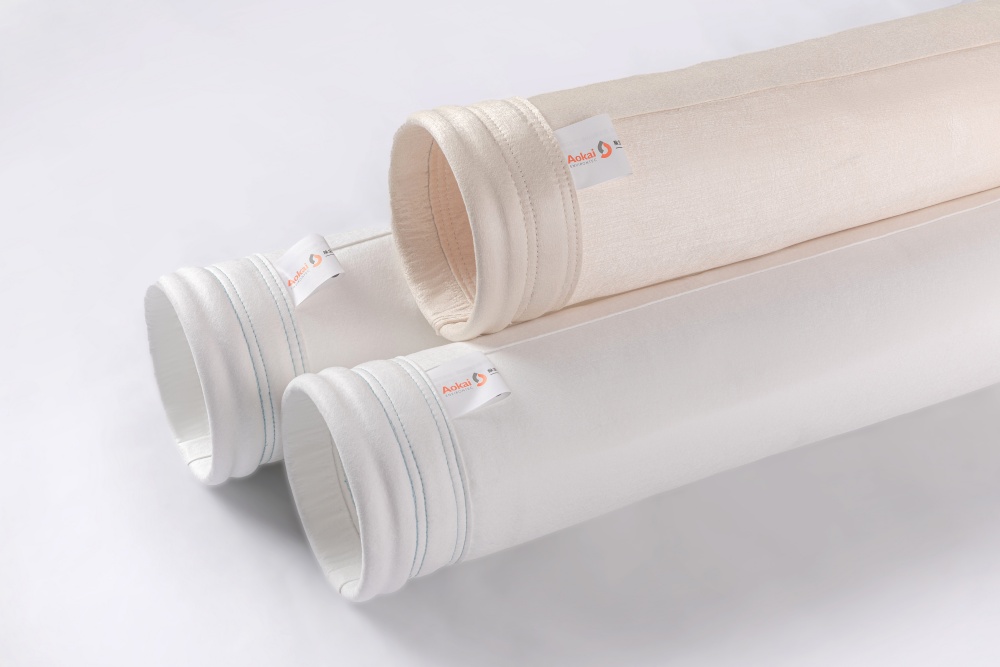
PPS filter bags are made from polyphenylene sulfide (PPS), which is a high-performance thermoplastic polymer, also otherwise known by the proprietary name Ryton© or Procon©. Polyphenylene sulfide filter bags are known for their excellent filtration characteristics, including:

  • Yüksek Sıcaklık Dayanımı – PPS filter bags can operate continuously at temperatures up to 160°C (320°F), with surges up to 190°C (375°F). This makes them ideal for applications where high temperatures are present, such as in incinerators, power generation, cement production, and metal processing.
  • Mükemmel Kimyasal Direnç – PPS filter bags are resistant to a wide range of acids, alkalis, and solvents. This makes them suitable for applications where corrosive chemicals are present, such as in the chemical processing and pharmaceutical industries.
  • Good Moisture Resistance – PPS filter bags are also resistant to moisture and hydrolysis. This makes them a good choice for applications where high humidity or wet conditions are present, such as in food processing and wastewater treatment.
  • High Mechanical Strength – PPS filter bags have a high tensile strength and tear resistance, making them resistant to abrasion and tear. This is important in applications where the filter bags are subjected to high levels of wear and tear, such as in the mining and construction industries.

In addition to these filtration characteristics, PPS filter bags also offer a number of other advantages, such as:

  • Long Service Life – PPS filter bags have a long service life, even in challenging operating conditions. This can lead to significant cost savings over time.
  • Easy to Clean and Maintain – PPS filter bags are easy to clean and maintain, which helps to reduce downtime and improve productivity.
  • Environmentally Friendly – PPS filter bags are made from a recyclable material, which makes them an environmentally friendly choice.

Scrim-supported felt is used exclusively in the production of Aokai PPS filter bags in order to improve filtration efficiency and to extend the filter bag life.

Polyphenylene sulfide PPS Filter Bags
PPS Filtre Torbaları

PPS Filter Bag Dust Collection Characteristics

Aokai’s high-performance PPS filter bags offer a number of unique advantages, including high-temperature tolerance, excellent chemical resistance, high mechanical strength, and excellent filtration efficiency. These properties make PPS filter bags an ideal choice for a wide range of demanding industrial applications.

CharacteristicsRating
Fiber Content100% Virgin PPS
Ağırlık550g/m² (16.22oz/yd²)
Kalınlık2.2mm (0.087in)
Fabric ConstructionNeedlefelt
Sürekli Çalışma Sıcaklığı160°C (320°F)
Maximum Surge Temperature190°C (375°F)
Aşınma Direnciİyi
Asit DirenciMükemmel
Alkali DirenciMükemmel
Moist Heat ResistantMükemmel
Energy Absorbsionİyi
Filtration PropertyMükemmel
Oksijen (15%+)Mükemmel

Pros

Excellent resistance to high temperature, acids, alkalis and moist heat, high mechanical strength, and excellent filtration efficiency.

Cons

Sensitive bag to cage fit, cost.

Endüstri ve Uygulama

Asphalt Industry, Cement Industry, Metallurgy Industry, Power Generation Industry, Chemical Industry, Carbon Black Industry

PPS Filtre Torbaları

PPS Filter Bag Construction & Treatment

PPS filter bags are typically made from non-woven PPS felt. The PPS felt is made up of individual PPS fibers that are bonded together to form a porous material. This PPS felt filter media can be constructed and treated with various options so that they become best suited for various operating conditions, applications, and industries.

Filtre Malzemesi Yapısı

Needle Felting

Needle Felting is a traditional non-woven fabrication process by punching a fiber batt into itself to hook and entangle fibers which then form a thin, relatively dense structure, either with or without a light woven support scrim. Needlefelt filter media have smooth surfaces and offer good depth filtration and particle capture. To further improve filtration efficiency and filter bag life, Aokai custom designs and manufactures Dual-Density PPS Filter Media. In a genuine dual-density filter media, two layers of media of different density are separated by a scrim in the middle that provides dimensional stability and a densified central core which improves filtration efficiency by minimizing dust migration through the felt. The scrim structure offers a clear advantage over unsupported felts (without scrim) which are produced in a single process with a homogeneous fiber blend and filtration characteristics only.

Filtre Ortamı Arıtımı

Adding an ePTFE membrane to a PPS filter bag allows the membrane to act as the filter cake. Dust stays on the surface of the membrane and does not get entrained into the fibers of the filter bag, which lengthens the filter bag life. It also reduces wear and tear, lower maintenance costs, and energy costs due to easy dust cake release during the cleaning cycle.

This coating adds resistance to water and oils, and improves cake release.

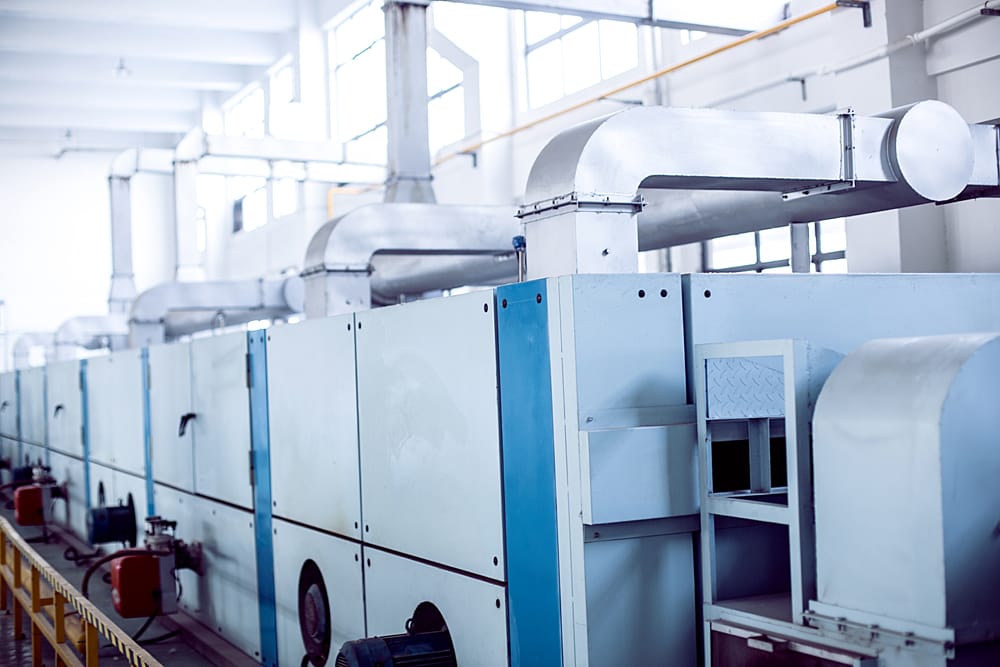
Singeing, filtre medyasının yüzeyinin bir aleve veya sıcak gaza maruz bırakılarak ince ve dağınık elyafların yakıldığı bir sonlandırma işlemidir ve bu sayede daha düzgün ve pürüzsüz bir yüzey alanı elde edilir, bu da kek salınımını, gelişmiş filtrasyon verimliliğini ve daha iyi hava geçirgenliğini artırır.

Yakma işlemi tipik olarak kumaşın açık bir alevin üzerinden veya ısıtılmış bir odadan geçirilmesini içerir. Isı, kumaşın ana yapısına zarar vermeden çıkıntı yapan lifleri yakar. Hız ve sıcaklık gibi proses parametreleri, istenen pürüzsüzlük ve finisaj seviyesine ulaşmak için dikkatlice kontrol edilir.

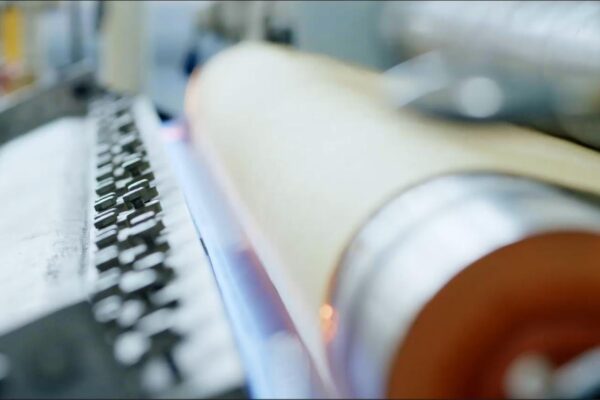
Glazing, also known as calendering, is the high-pressure pressing of the fabric by rollers to flatten or smooth the surface. Glazing pushes the surface fibers down onto the body of the filter media to increase and uniform surface life, improve stability, reduce shrinkage, and improve dust cake release.