

Filter Bags for Cement Plants
Çimento Endüstrisi
Sektör Genel Bakışı
Cement is manufactured through a closely controlled chemical combination of calcium, silicon, aluminum, iron, and other ingredients (refer to the blog “How Cement is Made” for more information). Materials used to manufacture cement include limestone, shells, and chalk combined with shale, clay, slate, silica sand, and iron ore. These ingredients, when heated at high temperatures form a rock-like substance that is ground into the fine powder that we commonly think of as cement. Cement mixed with sand, gravel, and water makes up concrete. Because of their abundant resources, easy operation, durability and versatility, cement and concrete are the most widely used construction materials. The soaring population growth and urbanization expected over the next few decades worldwide suggest that cement demand will keep growing. Globally, each year over 4 billion tonnes of cement is produced. While it helps to pave the way for modernization, the cement manufacturing comes with adverse impact on the environment, climate change and health:
- Most cement plants today use coal as fuel for the pyroprocessing. It takes 200-450 kg of coal to produce 1 tonne of cement;
- The cement industry is the largest source of PM (particulate matter) emissions, accounting for 40 percent of PM emissions from all industrial sources. During cement production the average emission is 0.13 kg of dust per ton of produced cement;
- Dust emissions from cement production cause serious respiratory illnesses. For example, China produces 60% of the world’s cement. While it helps to build China’s mammoth cities, sprawling roads, and other infrastructure, it comes at a dangerous cost: 1.6 million Chinese citizens die each year from respiratory illnesses linked to small particulate matter emissions, of which 27% come from cement production.
Dust filtration and collection measurements have to be implemented, and maintained at their optimal efficiency to mitigate the adverse impact of cement production.
Aokai supplies custom cement plant filter bags for kiln tail collectors, kiln head and clinker cooler baghouses, raw mills, coal mills, cement mills and packing lines.
We select filter media, surface finishes and bag construction around your actual operating temperature, dust abrasiveness, gas chemistry, moisture level and cleaning system—not temperature alone.
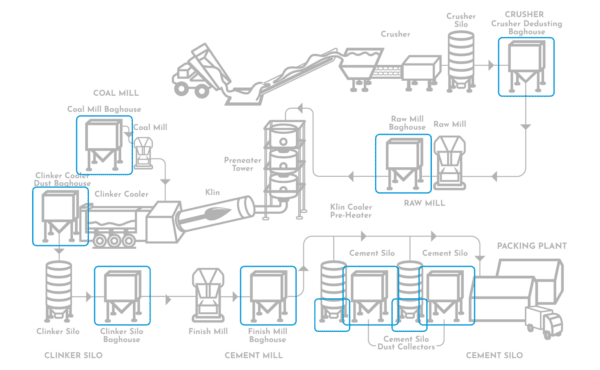
Cement Manufacturing Process Flow Chart
1
Raw Material Preparation
2
Clinker Calcination
3
Cement Grinding
4
Finished Product Storage and Transport
Cement Industry Filtration Characteristics
Toz Filtrasyon Zorlukları
Dust filtration at cement plants can be challenging as dust emission runs through the entire production processes, which includes raw material milling & grinding, coal grinding, pyroprocessing, clinker cooling, finish milling & grinding, and packaging & bulk loading. Each production process generates a different type of dust, and therefore, requires a specific dust filtration solution. In general, dust from various production processes at cement plants has the following characteristics:
- Light weight and fine particles, with size ranges from micrometer to nanometer
- Yüksek sıcaklıkta yüksek nem
- High concentration
- Complex composition
- Abrasive

Filter Bags for Each Cement Plant Dust Collection Point
| Cement Process | Main Challenge | Filter Media Direction |
|---|---|---|
| Raw Crushing & Material Transfer | Abrasive dust, moderate temperature | Polyester filter bags |
| Raw Mill & Kiln Tail | High temperature, dust loading, gas fluctuation | Aramid, P84, fiberglass or composite media |
| Kiln Head & Clinker Cooler | Abrasion, thermal shock, high dust volume | Fiberglass, Aramid, P84 |
| Coal Mill | Fine combustible dust, static risk | Anti-static polyester filter bags |
| Cement Mill | Fine cement dust, moderate temperature | Polyester or acrylic filter bags |
| Packing & Silo Vent | Fine dry dust, frequent cleaning | Polyester filter bags |
Cement Industry Filtration Solutions
High-Temperature Filter Media for Cement Kiln and Clinker Cooler Baghouses
Aokai baghouse filter bag products that are most commonly used in the Cement Industry:
Anti-static Polyester Filter Bags
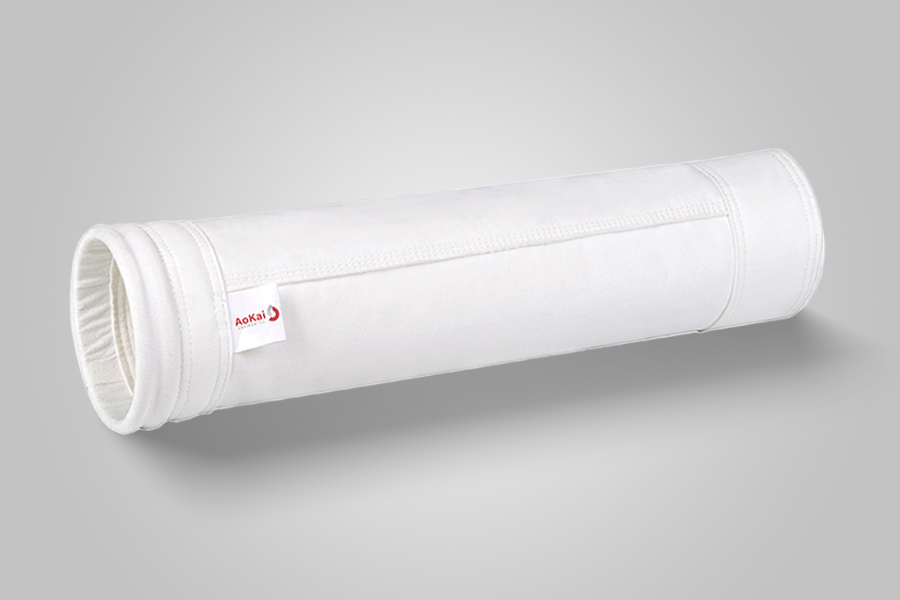
Best for: Coal mill dust collection
Key strengths:
• Static dissipation support
• Suitable for fine combustible dust
• Available in custom sizes and constructions
Fiberglas Filtre Torbaları

Best for: High-temperature cement kiln and clinker cooler applications
Key strengths:
• High continuous temperature resistance
• Good dimensional stability
• Suitable for demanding high-temperature dust collection conditions
P84 Filter Bags-API155M

Best for: Fine dust, difficult cleaning conditions and high-temperature applications
Key strengths:
• High temperature resistance
• Good dust cake release performance
• Suitable for demanding cement kiln and raw mill filtration conditions
Aramid Filtre Torbaları

Best for: Medium-to-high temperature dust collection with abrasion resistance requirements
Key strengths:
• Strong mechanical performance
• Good resistance to abrasive dust
• Suitable for cement kiln head, clinker cooling and other fluctuating-temperature applications
Filter Media Selection for Cement Plant Baghouses
| Filtre Ortamı | Typical Continuous Temperature | Typical Peak Temperature | Main Performance Advantage | Recommended Cement Plant Application |
|---|---|---|---|---|
| Fiberglas Filtre Torbaları | Up to 260°C | Up to 280°C | Excellent high-temperature resistance and dimensional stability | Kiln tail baghouses, clinker coolers and other high-temperature gas filtration systems |
| P84 Filtre Torbaları | Up to 240°C | Up to 260°C | Good dust release performance for fine and difficult-to-clean dust | Kiln tail collectors, raw mill systems and high-temperature dust collection points |
| Aramid Filtre Torbaları | Up to 200°C | Up to 220°C | Strong mechanical performance and good abrasion resistance | Kiln head collectors, clinker cooler systems and fluctuating-temperature applications |
| Anti-static Polyester Filter Bags | Up to 130°C | Up to 150°C | Static dissipation support for combustible fine dust | Coal mill baghouses and powder handling systems |
| Polyester or Acrylic Filter Bags | Up to 130–140°C | Up to 150–160°C | Cost-effective performance for moderate-temperature dry dust collection | Cement mills, silo vents, packing systems and material transfer points |
Custom Filter Bags for Cement Plant Baghouses
Aokai can customize cement plant filter bags by filter media, bag diameter, length, cuff style, snap band, bottom construction, sewing thread, membrane treatment, anti-static treatment and water & oil repellent finish.
- Dust collection point
- Existing filter bag material
- Bag diameter, length and quantity
- Continuous and peak operating temperature
- Dust type and abrasiveness
- Gas composition and moisture level
- Cleaning method and compressed-air pressure
- Current problem: high differential pressure, bag breakage, emission issue or short bag life
Practical Application Case of Filter Bags in Cement Industry
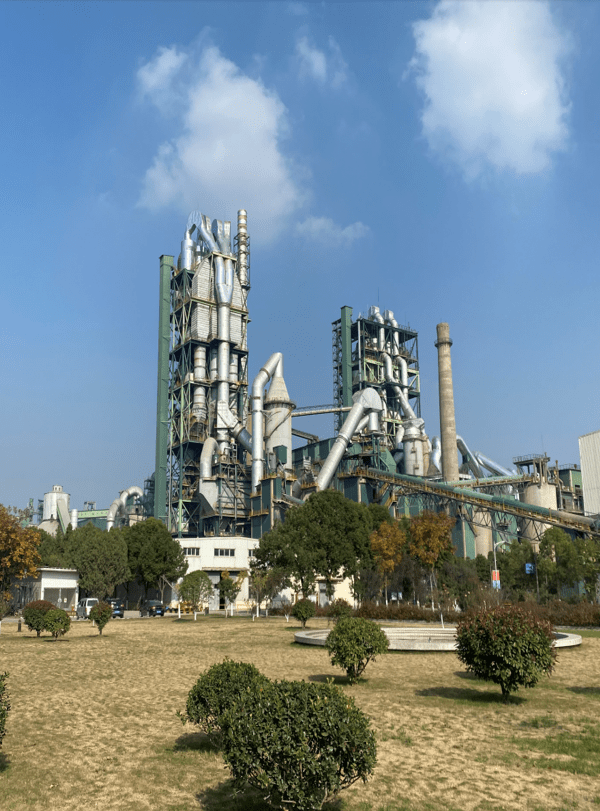
2500t/d cement plant kiln tail dust collector
Filter media:AKG905M
Bag size:Φ160×6500 mm
Bag quantity:2680 pcs
Gas volume:280000m3/h
Working temp:100-220℃
Gaz Bileşimi: SO₂ < 200 mg/m³, NOx < 400 mg/m³, O₂ < 121 TP3T
Clean method:Pulse jet blow
Emission:<10 mg/Nm³
Bag loading time:2020.06
5000t/d cement plant kiln head dust collector
Filter media:CONEX155
Bag size:Φ160×7500 mm
Bag quantity:3000 pcs
Gas volume:600000m3/h
O2:21%
Working temp:80-180℃
Clean method:Pulse jet blow
Bag loading time:2021.01
Emission:<10 mg/Nm³
Working temp:80-180℃
Our Achievements in the Cement Industry