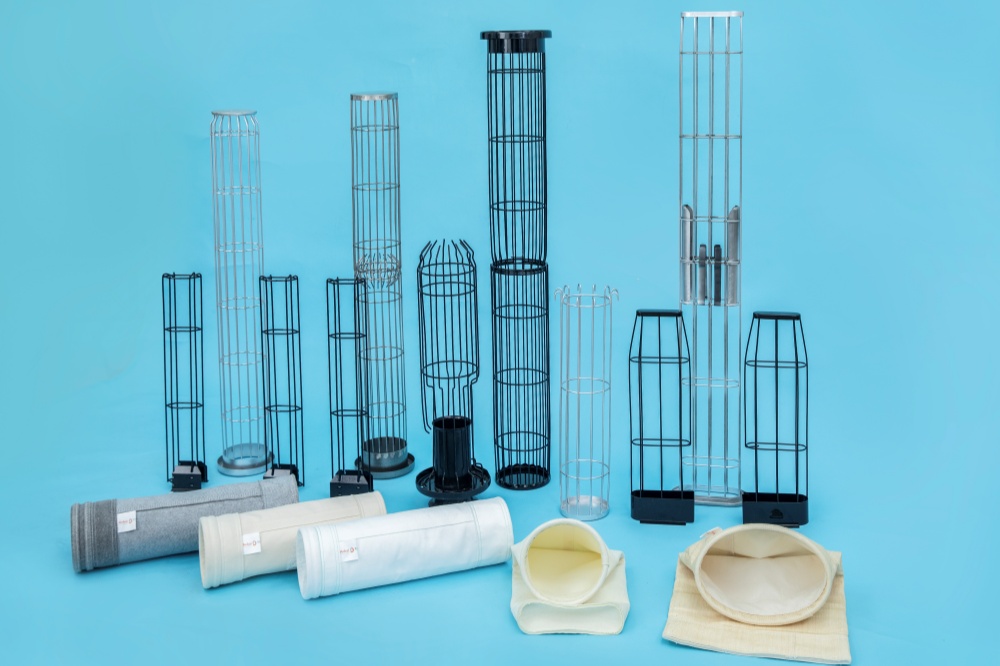



Aokai manufactures woven and needle-felt fiberglass filter bags for industrial baghouses operating at elevated temperatures. Available options include woven E-glass fabric, fiberglass needle felt, composite filter media, PTFE impregnation and optional ePTFE membrane.
Each filter bag can be manufactured according to your drawing, used sample or baghouse specifications, including custom diameter, length, top and bottom construction, sewing method and cage compatibility.
Learn About Fiberglass Filter Cloth

Key Features of Fiberglass Filter Bag
- High Temperature Resistance
Can withstand temperatures up to 260 ° C or higher,depending on the specific treatment and construction. - Chemical Resistance
Excellent resistance to acids, alkalis and other corrosivesubstances. - Mechanical Strength
Durable and wear-resistant, extending the service life ofthe filter bag. - Low elongation, dimensional stability
- High Filtration Efficiency
Capable of capturing fine particles and providing effi-cient filtration performance.

Fiberglass Filter Bags

Fiberglass Filter Bags
| Item | Non-woven Fiberglass Filter Bags | Woven Fiberglass Filter Bags |
|---|---|---|
| Material Structure | Fiberglass fibers are mechanically needled into a felt structure, usually with a supporting scrim. | Fiberglass yarns are interlaced in warp and weft to form a stable woven fabric. |
| Typical Temperature Capability | Typically up to 180–240°C, depending on fiber construction and finishing. | Up to 260°C continuous operation in selected constructions. |
| Filtration Performance | Three-dimensional felt structure provides good fine dust capture and dust-holding capacity. | Filtration performance depends on weave density and surface treatment; often selected for stable high-temperature operation. |
| Dimensional Stability | More flexible, with good adaptability to different baghouse designs. | High tensile strength, low elongation, and excellent dimensional stability. |
| Best-Fit Applications | Fine dust collection, pulse-jet baghouses, and medium-to-high-temperature filtration. | High-temperature baghouses requiring low stretch and stable bag dimensions. |

Fiberglass Needle Felt Filter Cloth
Non-woven Fiberglass Filter Cloth
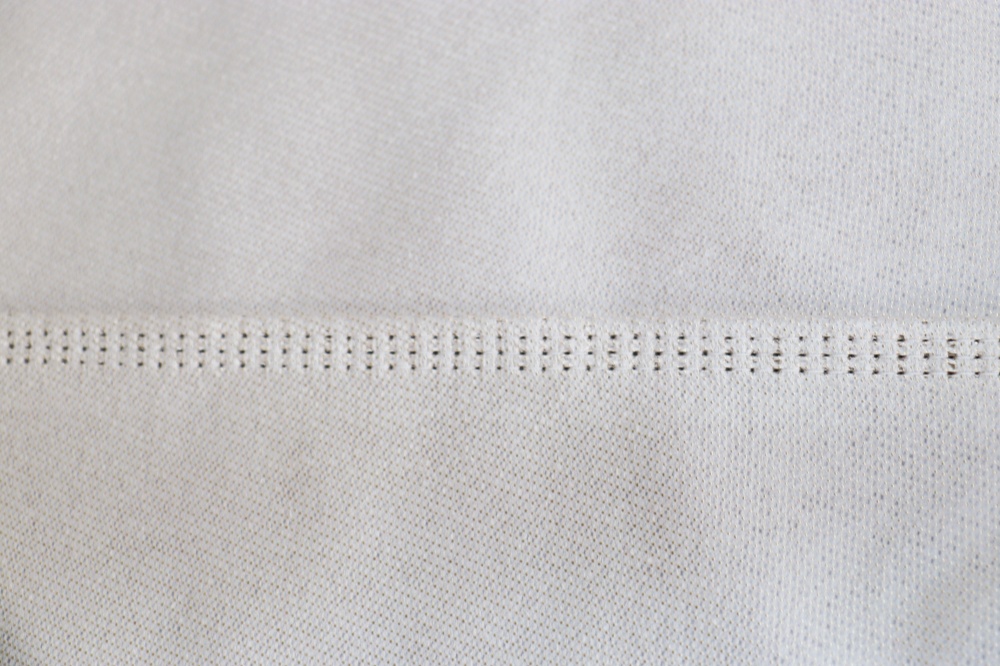
Woven fiberglass filter cloth
Woven Fiberglass Filter Cloth
Technical Specifications of Fiberglass Non-woven Filter Bags
| ITEM | AKG900 (M) | AKG901(M) |
|---|---|---|
| Working temperature (°C) | 180 | 240 |
| Peak temperature (°C) | 220 | 260 |
| Emission (mg) | / | / |
| Weight (g/m2) | ≥900 | ≥900 |
| Thickness (mm) | 3.2±10% (3.0±10%) | 3.2±10%(3.0±10%) |
| Air permenability (m3/m2/min) | 15-28 (2-5) | 15-28 (2-5) |
| Tensile strength / warp(N/5cm) | ≥1500 | ≥1500 |
| Tensile strength / weft(N/5cm) | ≥1500 | ≥1500 |
| Tensile elongation/ warp(%) | ≤10 | ≤10 |
| Tensile elongation/weft(%) | ≤10 | ≤10 |
| 24-hour heat shrink / warp(%) | ≤1.5 | ≤1.5 |
| 24-hour heat shrink / weft(%) | ≤1.0 | ≤1.0 |
| Post-treatment | PTFE Dipping / PTFE Membrane |
Fiberglass Needle Felt Filter Bags

Nonwoven Fiberglass Filter Bag(AKG901(M))

E-glass dust filter bag(AKG900(M))
Technical Specifications of Fiberglass Woven Filter Bags
| ITEM | AKG075WM |
|---|---|
| Working temperature (°C) | 260 |
| Peak temperature (°C) | 280 |
| Emission (mg) | / |
| Weight (g/m2) | ≥750 |
| Thickness (mm) | 1.0±0.2 |
| Air permenability (m3/m2/min@200Pa) | 2-4 |
| Tensile strength / warp(N/5cm) | ≥2500 |
| Tensile strength / weft(N/5cm) | ≥2500 |
| Tensile elongation / warp(%) | ≤15 |
| Tensile elongation / weft(%) | ≤10 |
| 24-hour heat shrink / warp(%) | ≤1.0 |
| 24-hour heat shrink / weft(%) | ≤1.0 |
| Post-treatment | PTFE Dipping / PTFE Membrane |
Fiberglass Woven Fabric Filter Bags

Woven Fiberglass Filter Bag(AKG075WM)
Woven fiberglass filter bags(AKG075WM)
Fiberglass Material Comparison
| Material Type | Continuous Temperature | Main Features | Recommended Applications |
|---|---|---|---|
| Fiberglass Needle Felt(AKG900M) | Up to 180°C | Good filtration efficiency and cost-performance balance | Stable medium-to-high temperature dust collection |
| Fiberglass Composite Needle Felt(AKG901M) | Up to 240°C | Higher heat resistance and better dimensional stability | Higher-temperature processes with moderate temperature fluctuation |
| Woven Fiberglass Filter Bags(AKG075WM) | Up to 260°C | Low elongation, strong dimensional stability, suitable for high-temperature operation | Cement, steel, power generation, and other high-temperature baghouses |
| FMS Composite Filter Bags | Depends on material structure | Better resistance to high temperature, abrasion, and complex gas conditions | Demanding applications with high heat, abrasive dust, or difficult flue gas |
Surface Treatments Available
PTFE Membrane Lamination
PTFE membrane lamination involves bonding a microporous PTFE membrane to the surface of the needle felt.
- Achieve surface filtration instead of depth filtration
- Improve particle capture efficiency
- Reduce dust penetration
Water & Oil Repellent Treatment
This chemical finishing process applies hydrophobic and oleophobic agents to the fiber surface.
- Prevent moisture absorption.
- Avoid mudding and clogging.
- Reduce hydrolysis risk.
Anti-Static Treatment
Antistatic properties can be achieved by incorporating conductive fibers or coating with a conductive chemical coating.
- Prevent static charge accumulation.
- Reduce spark risk.
- Improve operational safety.
Graphite coating
Improve the high temperature resistance and oxidation resistance of the filter bag, while enhancing acid and alkali resistance.
Typical Applications of Fiberglass Filter Bags
Custom Filter Bags Solutions for Every Industry
Tell us your working conditions, and we will recommend the best solution within 24 hours.
✔ Free Sample | ✔ Fast Delivery 7–15 Days | ✔ Factory Direct Price
From Sample Analysis to Engineered Filter Solutions
Our Services
Step 1
Sample Analysis & Application Review
- Analyze fabric structure and material composition
- Review wear patterns, clogging or failure reasons
- Evaluate dust characteristics and operating conditions
Step 2
R&D & Material Engineering
- Needle felt material selection and optimization
- Fiber blend, weight and permeability design
- Surface treatments (PTFE membrane, singeing, glazing)
Step 3
Filter Bag & Cage Design
- Accurate size and construction
- Cage wire layout and surface finishing
- Compatible with pulse jet and cleaning systems
Step 4
Sampling & Confirmation
- Custom samples for testing
- Performance confirmation before mass production
- Adjustments based on test feedback
Step 5
Fast & Transparent Quotation
-
Material specification
-
Unit price & MOQ
-
Lead time and delivery terms
Step 6
Manufacturing, QC & Delivery
- All products are manufactured under strict quality control and shipped with export-ready packaging.
Ongoing technical support is available after delivery.
Our Manufacturing Strength
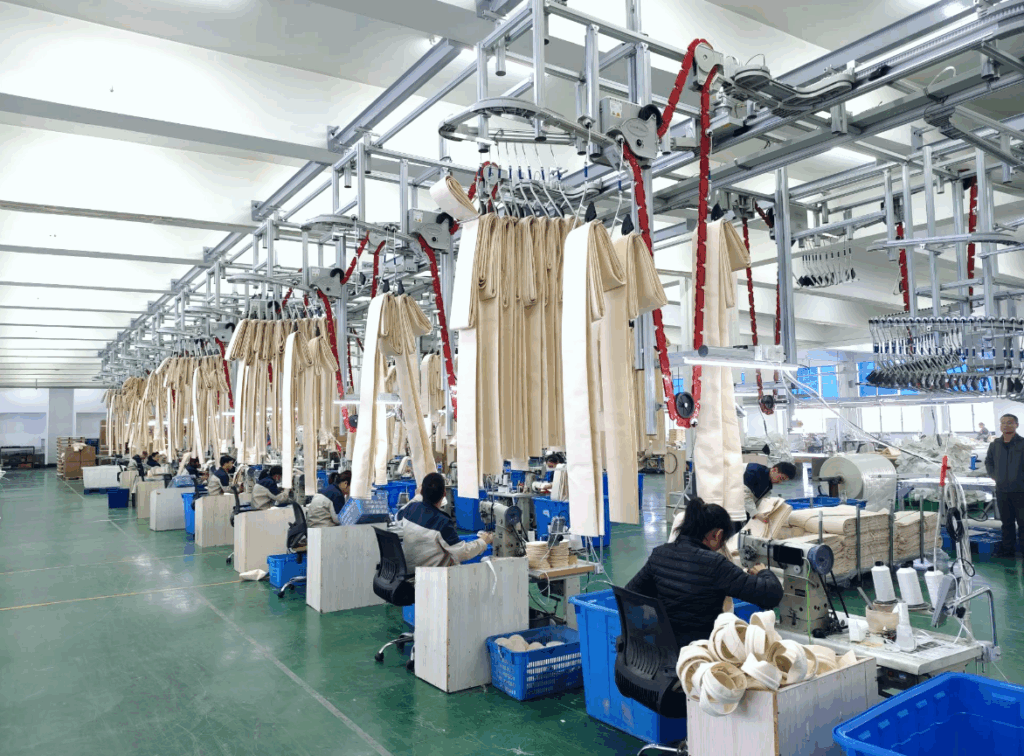
As a leading manufacturer of industrial filtration media in China, we have 20+ years of industry experience, a 27,000㎡ modern production facility, and 8 advanced production lines, with an annual output of over 2 million filter bags. Certified with ISO9001, ISO14001, and ISO45001, our products are exported to 40+ countries and regions.
Years of Experience
㎡ – Modern Production Base
Customers Worldwide
Exporting Country


3,000,000 pcs
Annual Filter Bag Production
- Automatic Multi-Task Production Lines
- Precision Sewing
- Heat Sealing
- Pinhole Sealing
- Seam Lamination


2,000,000 m
Annual Cage Production
- Filter Cages of All Shapes & Sizes
- Cage Treatments
- Silicone Coating
- Galvanizing
- Passivation (stainless steel)



Quality Control
Raw material quality control
The raw materials of Aokai have undergone tests for 13 indicators in the laboratory, including fiber composition, air permeability, breaking strength and elongation at break, thermal shrinkage, moisture regain, oil content, and fiber melting point, with all test standards surpassing the relevant criteria.
Production process quality control
The factory has obtained ISO9001 and ISO14001 certifications. It operates in accordance with the 7S management standards, strictly controls product quality in line with international high-end product testing standards, retains inspection records for more than 3 years and electronic records permanently, ensuring the traceability of each batch of products.
FAQs About Fiberglass Filter Bag
Fiberglass filter bags are used to collect industrial dust from high-temperature flue gas. Typical applications include cement kilns, clinker coolers, metallurgical furnaces, carbon black production, high-temperature dryers, power generation and selected boiler systems.
The appropriate construction depends on the gas temperature, dust abrasiveness, chemical composition, cleaning method and required emission level.
The temperature limit depends on the glass grade, fabric structure and surface treatment. Fiberglass needle-felt bags typically operate at approximately 180–240°C, while selected woven fiberglass constructions can operate continuously at up to 260°C and withstand short temperature surges of approximately 280°C.
These figures are not universal limits. Gas chemistry, moisture, exposure time, cleaning conditions, sewing thread and bag construction must also be considered.
Woven fiberglass bags are made from glass-fiber yarns interlaced in a warp-and-weft structure. They offer high tensile strength, low elongation and good dimensional stability, making them suitable for selected reverse-air, shaker and high-temperature baghouses.
Needle-felt fiberglass bags have a three-dimensional nonwoven structure that provides greater dust-holding capacity and fine-particle capture. They can be designed for pulse-jet baghouses but require careful control of cage support, cleaning pressure and mechanical abrasion.
Common filter cloth materials include polyester, acrylic, aramid / Nomex, PPS, P84, PTFE, fiberglass, FMS composite media and PTFE membrane filter media. The right material depends on temperature, gas chemistry, moisture, dust abrasion and emission requirements.
Yes. Properly engineered fiberglass needle-felt, composite or selected woven filter bags can be used in pulse-jet baghouses. However, fiberglass is less tolerant of repeated flexing than many polymer fibers.
The bag-to-cage fit, cage design, wire spacing, pulse pressure, cleaning frequency and dust abrasiveness must therefore be carefully controlled to prevent premature cracking and mechanical failure.
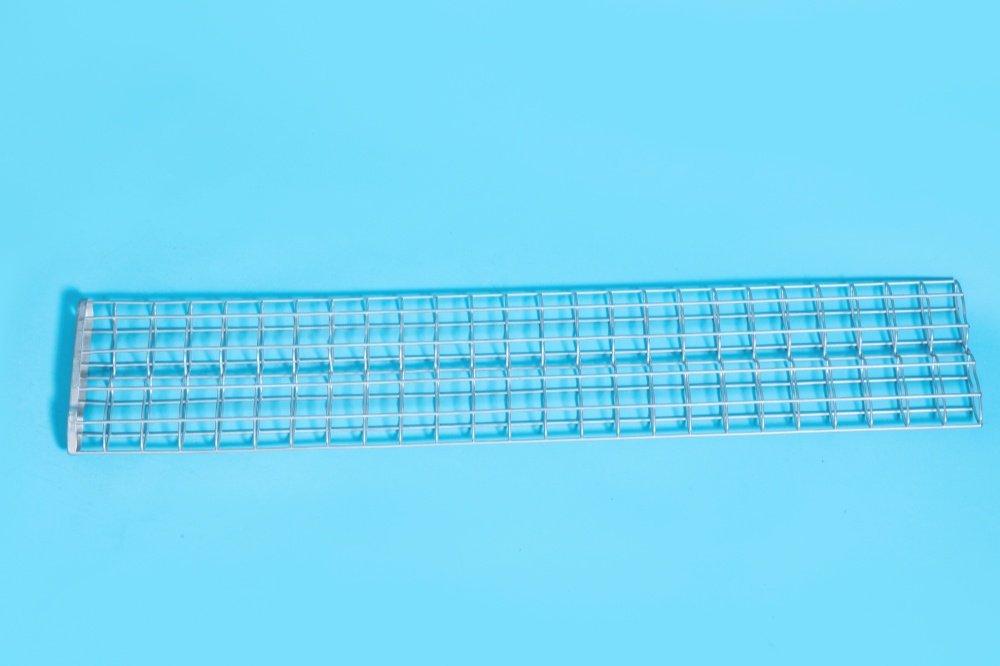
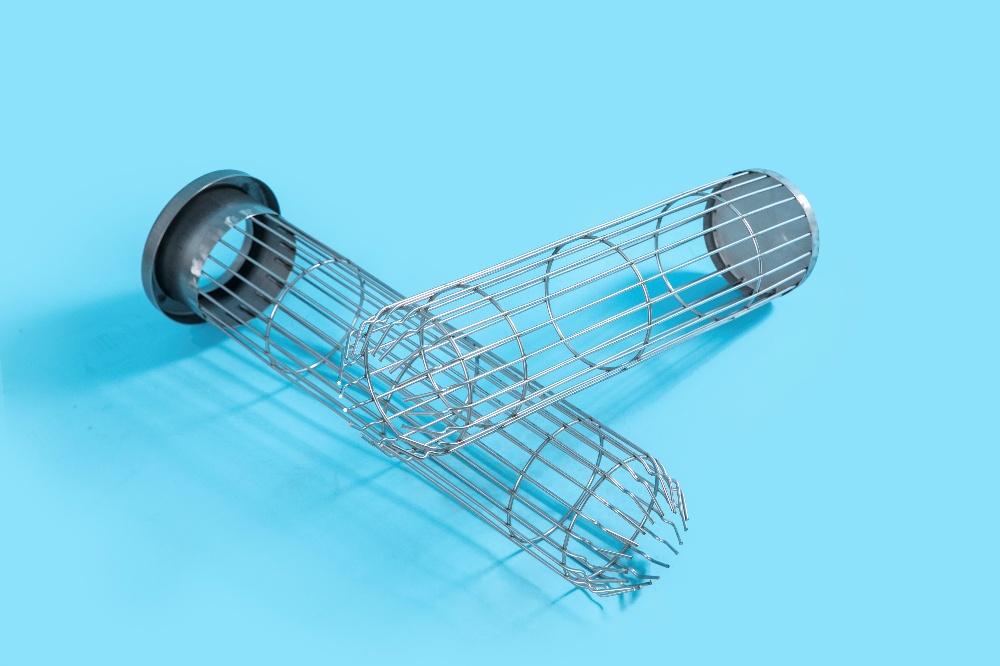
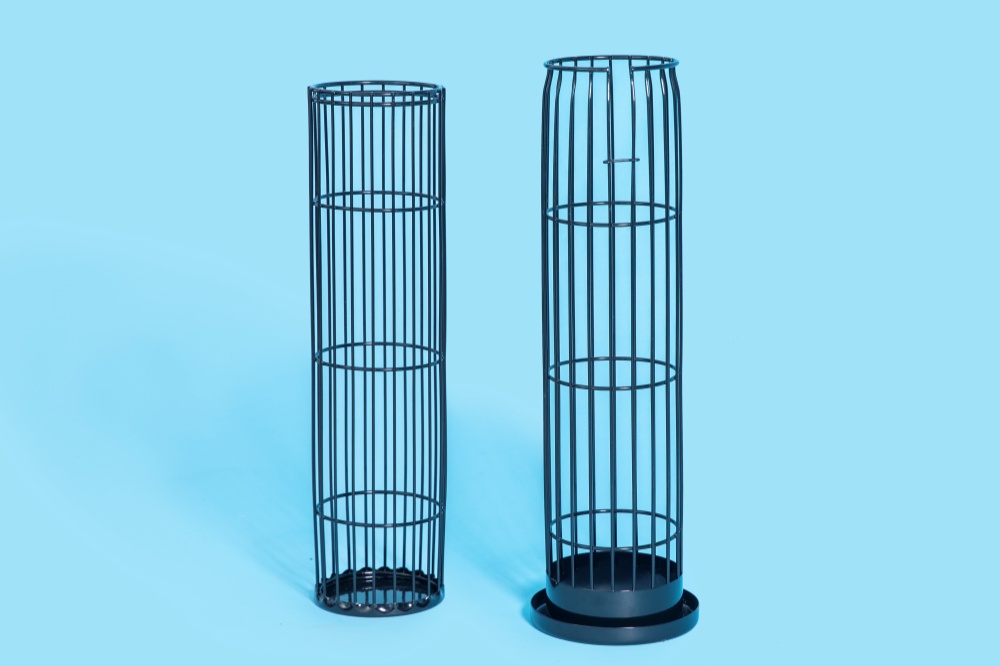
Fiberglass filter bags generally require smooth, well-aligned cages that provide sufficient support along the entire bag. Cages with closer wire spacing or more vertical wires may be recommended to reduce unsupported flexing during pulse-jet cleaning.
Welds, sharp edges, corrosion and incorrect cage dimensions can damage the filter media. The required cage design should be determined according to the bag diameter, length, fabric structure and cleaning system.
Yes. An ePTFE membrane can be laminated onto suitable fiberglass filter media to provide surface filtration, improve fine-particle capture and reduce dust penetration into the base material. It can also make dust-cake release easier under suitable cleaning conditions.
The membrane does not increase the temperature limit of the fiberglass substrate. The base fabric, membrane lamination, sewing thread and bag construction must all be compatible with the actual operating temperature and gas chemistry.
Contact us to discuss your project and long-term filtration solutions.
All information will be kept confidential.
Related Products
We also provide various high-quality filter cages, filter bags, and other accessories to offer you a one-stop dust removal solution.