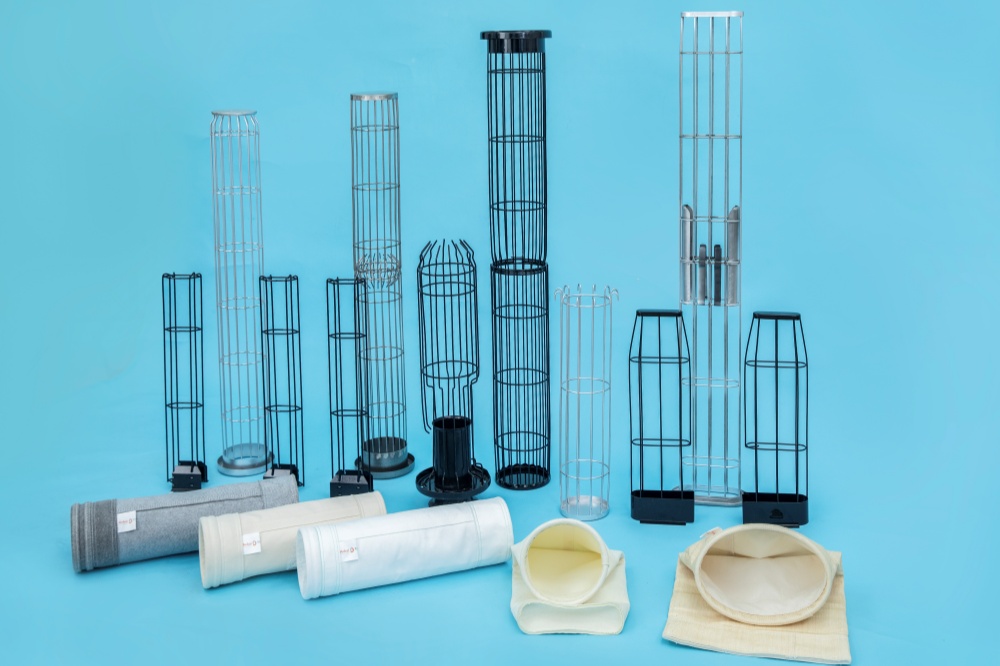



Aokai manufactures woven and needle-felt fiberglass filter bags for industrial baghouses operating at elevated temperatures. Available options include woven E-glass fabric, fiberglass needle felt, composite filter media, PTFE impregnation and optional ePTFE membrane.
Each filter bag can be manufactured according to your drawing, used sample or baghouse specifications, including custom diameter, length, top and bottom construction, sewing method and cage compatibility.
Hakkında Bilgi Edinin Fiberglas Filtre Bezi

Key Features of Fiberglass Filter Bag
- Yüksek Sıcaklık Dayanımı
Özel işleme ve yapıya bağlı olarak 260 ° C'ye kadar veya daha yüksek sıcaklıklara dayanabilir. - Kimyasal Direnç
Asitlere, alkalilere ve diğer aşındırıcı maddelere karşı mükemmel direnç. - Mekanik Dayanım
Dayanıklı ve aşınmaya dirençli, filtre torbasının hizmet ömrünü uzatır. - Düşük uzama, boyutsal kararlılık
- Yüksek Filtrasyon Verimliliği
İnce partikülleri yakalayabilir ve verimli filtreleme performansı sağlar.

Fiberglas Filtre Torbaları

Fiberglas Filtre Torbaları
| Öğe | Dokumasız Fiberglas Filtre Torbaları | Dokuma Fiberglas Filtre Torbaları |
|---|---|---|
| Material Structure | Fiberglass fibers are mechanically needled into a felt structure, usually with a supporting scrim. | Fiberglass yarns are interlaced in warp and weft to form a stable woven fabric. |
| Typical Temperature Capability | Typically up to 180–240°C, depending on fiber construction and finishing. | Up to 260°C continuous operation in selected constructions. |
| Filtration Performance | Three-dimensional felt structure provides good fine dust capture and dust-holding capacity. | Filtration performance depends on weave density and surface treatment; often selected for stable high-temperature operation. |
| Dimensional Stability | More flexible, with good adaptability to different baghouse designs. | High tensile strength, low elongation, and excellent dimensional stability. |
| Best-Fit Applications | Fine dust collection, pulse-jet baghouses, and medium-to-high-temperature filtration. | High-temperature baghouses requiring low stretch and stable bag dimensions. |

Fiberglas İğneli Keçe Filtre Bezi
Dokumasız Fiberglas Filtre Bezi
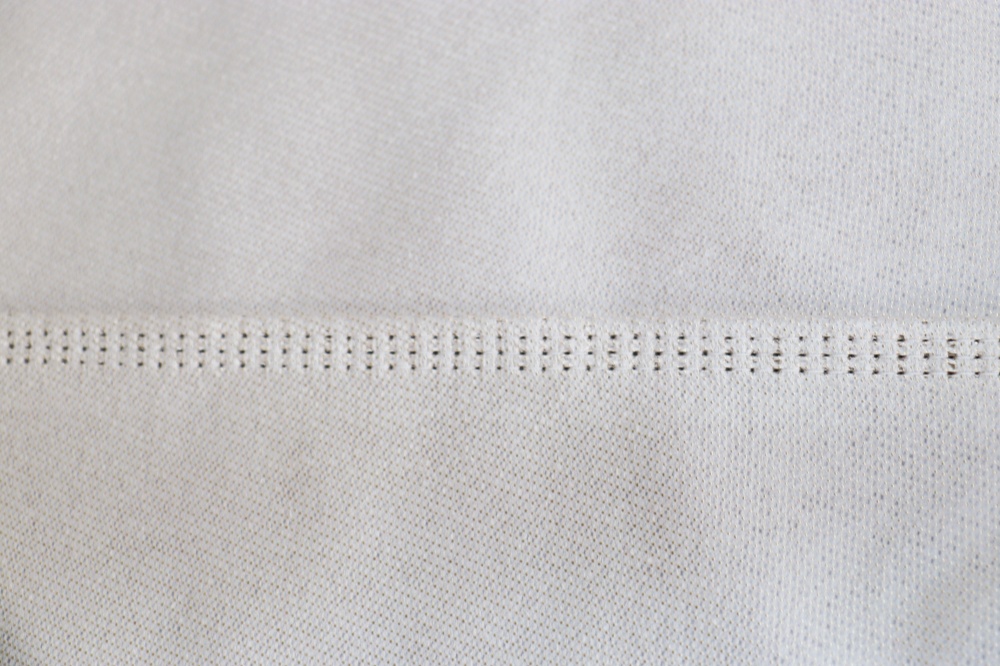
Dokuma fiberglas filtre bezi
Dokuma Fiberglas Filtre Kumaşı
Technical Specifications of Fiberglass Non-woven Filter Bags
| ITEM | AKG900 (M) | AKG901 (M) |
|---|---|---|
| Çalışma sıcaklığı (°C) | 180 | 240 |
| Tepe sıcaklığı (°C) | 220 | 260 |
| Emisyon (mg) | / | / |
| Ağırlık (g/m2) | ≥900 | ≥900 |
| Kalınlık (mm) | 3.2±10% (3.0±10%) | 3.2±10%(3.0±10%) |
| Hava permenabilitesi (m3/m2/dak) | 15-28 (2-5) | 15-28 (2-5) |
| Tensile strength / warp(N/5cm) | ≥1500 | ≥1500 |
| Tensile strength / weft(N/5cm) | ≥1500 | ≥1500 |
| Tensile elongation/ warp(%) | ≤10 | ≤10 |
| Tensile elongation/weft(%) | ≤10 | ≤10 |
| 24-hour heat shrink / warp(%) | ≤1.5 | ≤1.5 |
| 24-hour heat shrink / weft(%) | ≤1.0 | ≤1.0 |
| Tedavi sonrası | PTFE Daldırma / PTFE Membran |
Fiberglas İğneli Keçe Filtre Torbaları

Nonwoven Fiberglas Filtre Torbası (AKG901(M))

E-cam toz filtre torbası (AKG900(M))
Technical Specifications of Fiberglass Woven Filter Bags
| ITEM | AKG075WM |
|---|---|
| Çalışma sıcaklığı (°C) | 260 |
| Tepe sıcaklığı (°C) | 280 |
| Emisyon (mg) | / |
| Ağırlık (g/m2) | ≥750 |
| Kalınlık (mm) | 1.0±0.2 |
| Air permenability (m3/m2/min@200Pa) | 2-4 |
| Tensile strength / warp(N/5cm) | ≥2500 |
| Tensile strength / weft(N/5cm) | ≥2500 |
| Tensile elongation / warp(%) | ≤15 |
| Tensile elongation / weft(%) | ≤10 |
| 24-hour heat shrink / warp(%) | ≤1.0 |
| 24-hour heat shrink / weft(%) | ≤1.0 |
| Tedavi sonrası | PTFE Daldırma / PTFE Membran |
Fiberglass Woven Fabric Filter Bags

Dokuma Fiberglas Filtre Torbası (AKG075WM)
Dokuma fiberglas filtre torbaları (AKG075WM)
Fiberglass Material Comparison
| Material Type | Sürekli Sıcaklık | Main Features | Recommended Applications |
|---|---|---|---|
| Fiberglass Needle Felt(AKG900M) | Up to 180°C | Good filtration efficiency and cost-performance balance | Stable medium-to-high temperature dust collection |
| Fiberglass Composite Needle Felt(AKG901M) | Up to 240°C | Higher heat resistance and better dimensional stability | Higher-temperature processes with moderate temperature fluctuation |
| Woven Fiberglass Filter Bags(AKG075WM) | Up to 260°C | Low elongation, strong dimensional stability, suitable for high-temperature operation | Cement, steel, power generation, and other high-temperature baghouses |
| FMS Composite Filter Bags | Depends on material structure | Better resistance to high temperature, abrasion, and complex gas conditions | Demanding applications with high heat, abrasive dust, or difficult flue gas |
Yüzey İşlemleri Mevcuttur
PTFE Membran Laminasyonu
PTFE membran lamine etme işlemi, mikrogözenekli bir PTFE membranın iğneli keçe yüzeyine yapıştırılmasını içerir.
- Yüzey filtrelemeyi derinlemesine filtrelemeye tercih edin
- Parçacık yakalama verimliliğini artırın
- Tozu nüfuz ettirmeyin
Su ve Yağ İtici Bakım
Bu kimyasal apre işlemi, lif yüzeyine hidrofobik ve oleofobik ajanlar uygular.
- Nem emilimini önleyin.
- Çamurlaşmayı ve tıkanmayı önleyin.
- Hidroliz riskini azaltın.
Anti-Statik İşlem
Antistatik özellikler, iletken lifler eklenerek veya iletken kimyasal boya ile kaplanarak elde edilebilir.
- Statik yük birikimini önleyin.
- Kıvılcım riskini azaltın.
- Operasyonel güvenliği iyileştirin.
Grafit kaplama
Asit ve alkali direncini artırırken, filtre torbasının yüksek sıcaklık direncini ve oksidasyon direncini geliştirin.
Typical Applications of Fiberglass Filter Bags
Özel Filtre Torbaları Solutions for Every Industry
Tell us your working conditions, and we will recommend the best solution within 24 hours.
✔ Free Sample | ✔ Fast Delivery 7–15 Days | ✔ Factory Direct Price
Numune Analizinden Tasarlanmış Filtre Çözümlerine
Hizmetlerimiz
Adım 1
Örnek Analiz & Uygulama İncelemesi
- Kumaş yapısını ve malzeme bileşimini analiz etme
- Aşınma modellerini, tıkanma veya arıza nedenlerini gözden geçirin
- Toz özelliklerini ve çalışma koşullarını değerlendirin
Adım 2
Ar-Ge ve Malzeme Mühendisliği
- İğne keçesi malzeme seçimi ve optimizasyonu
- Elyaf karışımı, ağırlık ve geçirgenlik tasarımı
- Yüzey işlemleri (PTFE membran, yakma, camlama)
Adım 3
Filtre Torbası ve Kafes Tasarımı
- Doğru boyut ve yapı
- Kafes tel yerleşimi ve yüzey bitirme
- Pulse jet ve temizleme sistemleri ile uyumlu
Adım 4
Numune Alma ve Doğrulama
- Test için özel numuneler
- Seri üretim öncesi performans onayı
- Test geri bildirimlerine göre ayarlamalar
Adım 5
Hızlı ve Şeffaf Fiyat Teklifi
-
Malzeme özellikleri
-
Birim fiyat ve MOQ
-
Teslim süresi ve teslimat koşulları
Adım 6
Üretim, Kalite Kontrol ve Teslimat
- Tüm ürünler sıkı kalite kontrol altında üretilmekte ve ihracata hazır ambalajlarla sevk edilmektedir.
Teslimattan sonra sürekli teknik destek mevcuttur.
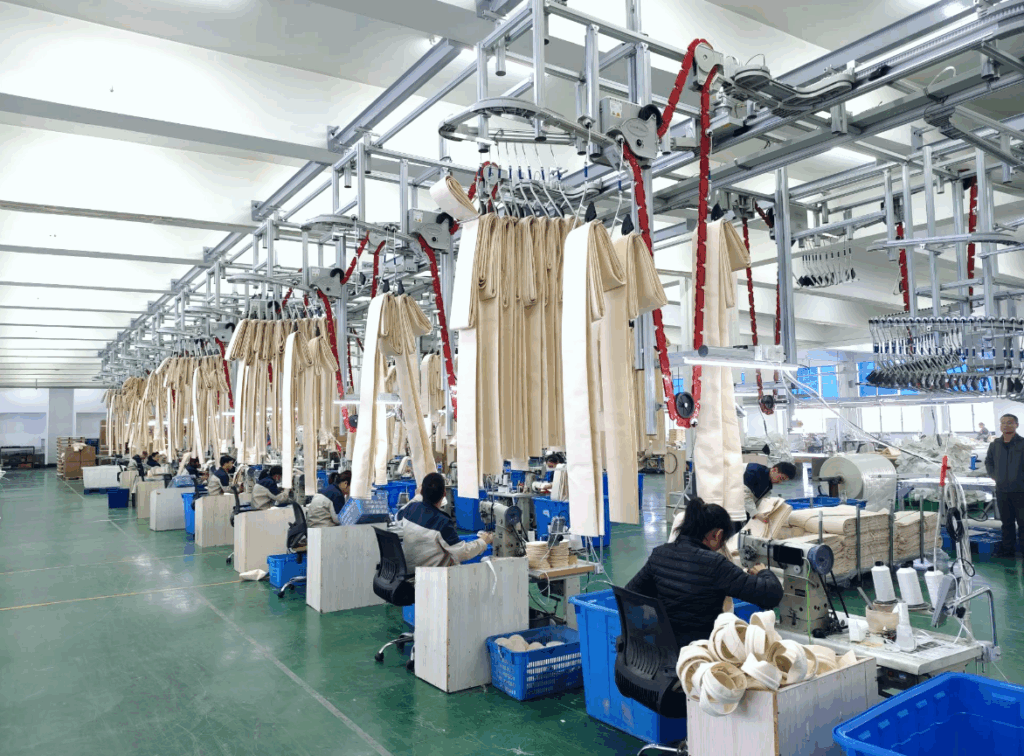
Üretim Gücümüz
Çin'de endüstriyel filtrasyon medyasının lider üreticisi olarak 20 yılı aşkın sektör deneyimi, 27.000㎡ modern üretim tesisi ve 8 gelişmiş üretim hattı, Yıllık 2 milyonun üzerinde filtre torbası üretimi ile. Sertifikalı ISO9001, ISO14001 ve ISO45001, ürünlerimiz şu ülkelere ihraç edilmektedir 40+ ülke ve bölge.
Deneyim Yılları
㎡ - Modern Üretim Üssü
Dünya Çapındaki Müşteriler
İhracat Yapılan Ülke


3.000.000 adet
Yıllık Filtre Torbası Üretimi
- Otomatik Çok Görevli Üretim Hatları
- Hassas Dikiş
- Isı Yalıtımı
- İğne Deliği Sızdırmazlığı
- Dikiş Laminasyonu


2,000,000 m
Yıllık Kafes Üretimi
- Tüm Şekil ve Boyutlarda Filtre Kafesleri
- Kafes Tedavileri
- Silikon Kaplama
- Galvanizleme
- Pasivasyon (paslanmaz çelik)



Kalite Kontrol
Hammadde kalite kontrolü
Aokai'nin hammaddeleri, elyaf bileşimi, hava geçirgenliği, kopma mukavemeti ve kopma uzaması, termal büzülme, nem geri kazanımı, yağ içeriği ve elyaf erime noktası dahil olmak üzere laboratuvarda 13 gösterge için testlerden geçirilmiş ve tüm test standartları ilgili kriterleri aşmıştır.
Üretim süreci kalite kontrolü
Fabrika aşağıdakileri elde etmiştir ISO9001 ve ISO14001 Sertifikalar. Avrupa Birliği'ne uygun olarak faaliyet göstermektedir. 7S yönetim standartları, Uluslararası üst düzey ürün test standartlarına uygun olarak ürün kalitesini sıkı bir şekilde kontrol eder, denetim kayıtlarını 3 yıldan fazla ve elektronik kayıtları kalıcı olarak saklar ve her ürün grubunun izlenebilirliğini sağlar.
FAQs About Fiberglass Filter Bag
Fiberglass filter bags are used to collect industrial dust from high-temperature flue gas. Typical applications include cement kilns, clinker coolers, metallurgical furnaces, carbon black production, high-temperature dryers, power generation and selected boiler systems.
The appropriate construction depends on the gas temperature, dust abrasiveness, chemical composition, cleaning method and required emission level.
The temperature limit depends on the glass grade, fabric structure and surface treatment. Fiberglass needle-felt bags typically operate at approximately 180–240°C, while selected woven fiberglass constructions can operate continuously at up to 260°C and withstand short temperature surges of approximately 280°C.
These figures are not universal limits. Gas chemistry, moisture, exposure time, cleaning conditions, sewing thread and bag construction must also be considered.
Woven fiberglass bags are made from glass-fiber yarns interlaced in a warp-and-weft structure. They offer high tensile strength, low elongation and good dimensional stability, making them suitable for selected reverse-air, shaker and high-temperature baghouses.
Needle-felt fiberglass bags have a three-dimensional nonwoven structure that provides greater dust-holding capacity and fine-particle capture. They can be designed for pulse-jet baghouses but require careful control of cage support, cleaning pressure and mechanical abrasion.
Common filter cloth materials include polyester, acrylic, aramid / Nomex, PPS, P84, PTFE, fiberglass, FMS composite media and PTFE membrane filter media. The right material depends on temperature, gas chemistry, moisture, dust abrasion and emission requirements.
Yes. Properly engineered fiberglass needle-felt, composite or selected woven filter bags can be used in pulse-jet baghouses. However, fiberglass is less tolerant of repeated flexing than many polymer fibers.
The bag-to-cage fit, cage design, wire spacing, pulse pressure, cleaning frequency and dust abrasiveness must therefore be carefully controlled to prevent premature cracking and mechanical failure.
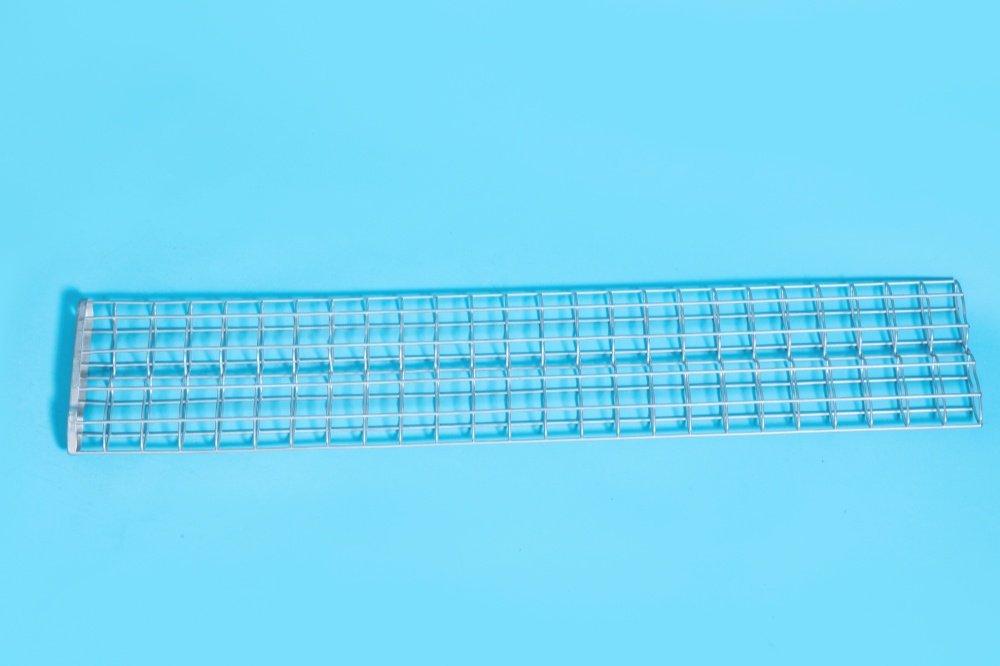
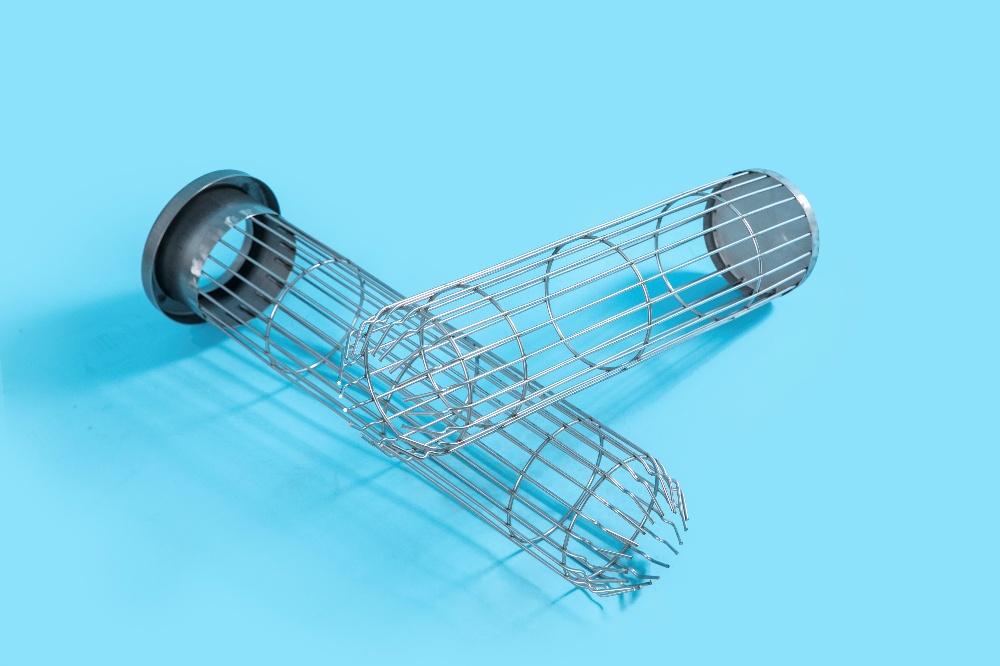
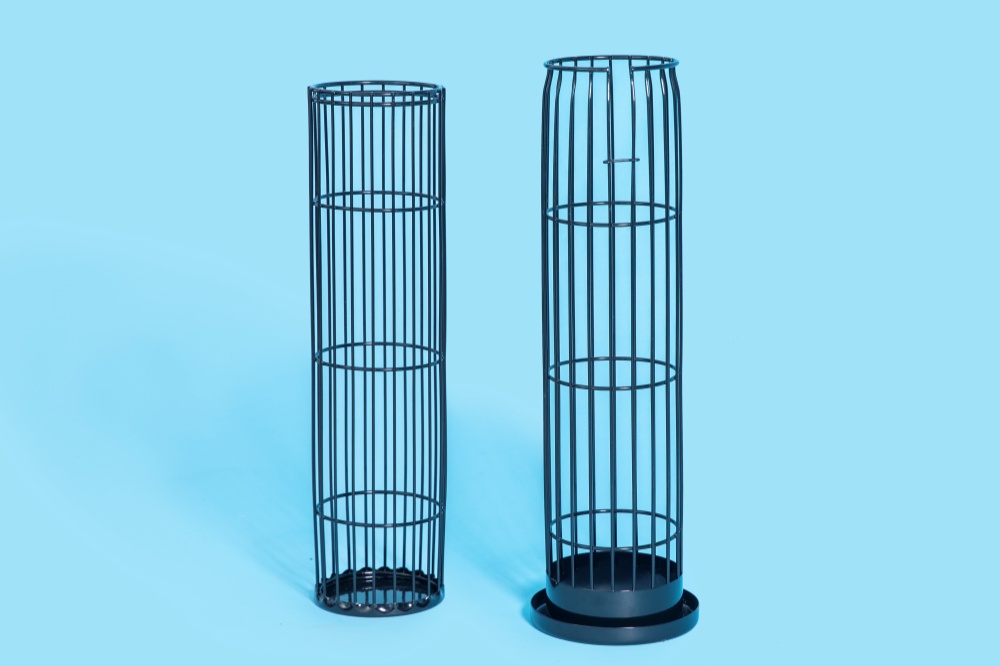
Fiberglass filter bags generally require smooth, well-aligned cages that provide sufficient support along the entire bag. Cages with closer wire spacing or more vertical wires may be recommended to reduce unsupported flexing during pulse-jet cleaning.
Welds, sharp edges, corrosion and incorrect cage dimensions can damage the filter media. The required cage design should be determined according to the bag diameter, length, fabric structure and cleaning system.
Yes. An ePTFE membrane can be laminated onto suitable fiberglass filter media to provide surface filtration, improve fine-particle capture and reduce dust penetration into the base material. It can also make dust-cake release easier under suitable cleaning conditions.
The membrane does not increase the temperature limit of the fiberglass substrate. The base fabric, membrane lamination, sewing thread and bag construction must all be compatible with the actual operating temperature and gas chemistry.
Projenizi ve uzun vadeli filtrasyon çözümlerinizi görüşmek için bizimle iletişime geçin.
Tüm bilgiler gizli tutulacaktır.
İlgili Ürünler
Ayrıca çeşitli yüksek kaliteli filtre kafesleri de sağlıyoruz, filtre torbaları, ve diğer aksesuarlarla size tek elden toz giderme çözümü sunar.