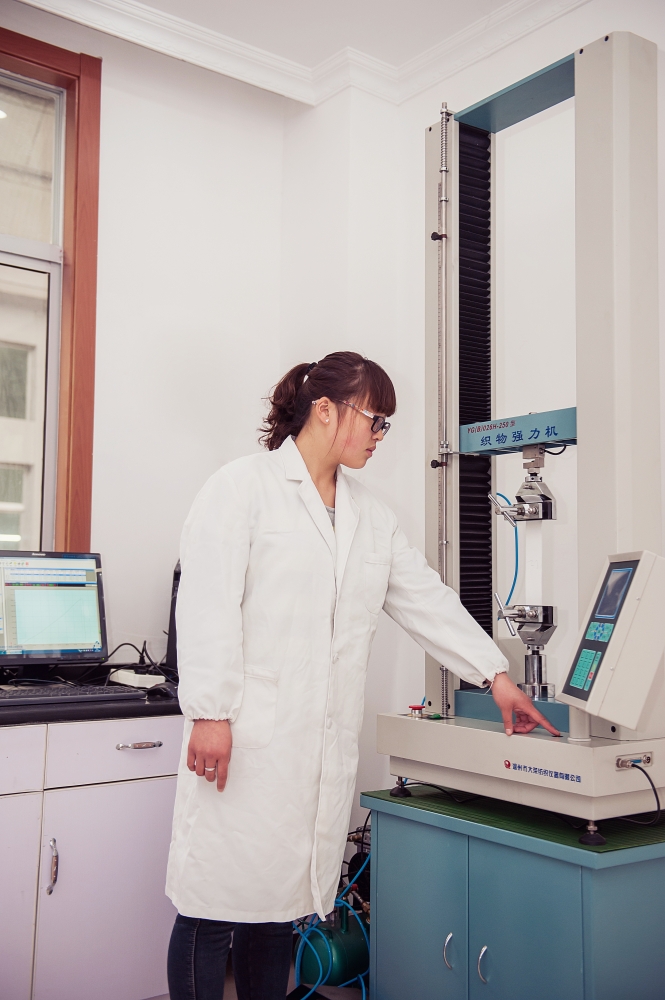
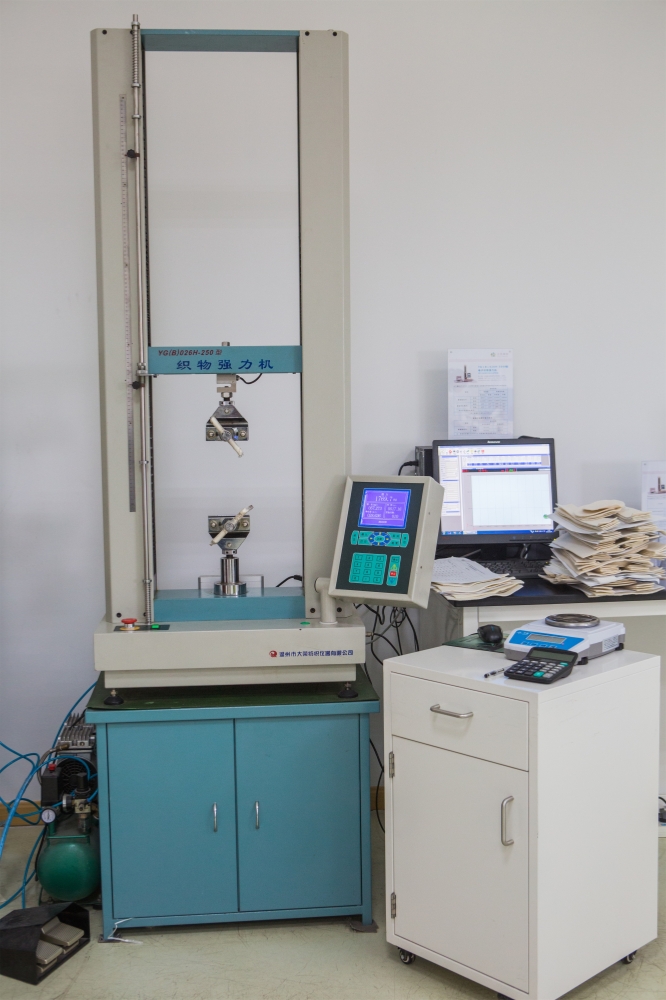

Assess seam strength, elongation, and shrinkage after heat exposure.

 English
Assess seam strength, elongation, and shrinkage after heat exposure.

Simulate real industrial dust to measure retention rate under load.
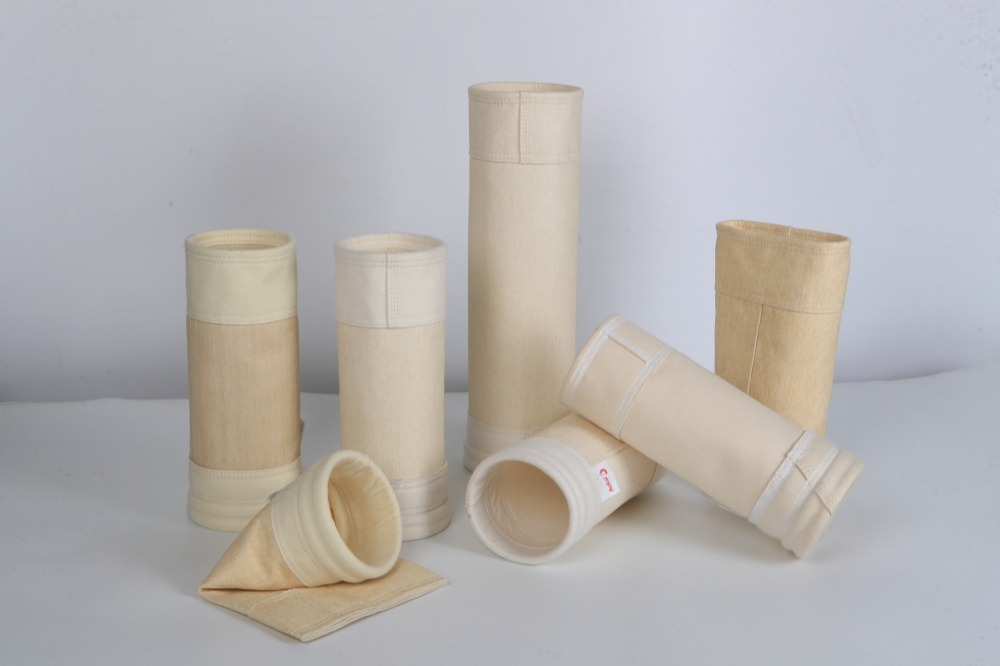
As a professional Dust Filter Bags Manufacturer, we specialize in providing high-efficiency filtration solutions for various industrial environments. Our non woven filter bags are engineered for superior air pollution control and particulate recovery.
We offer two primary construction types:

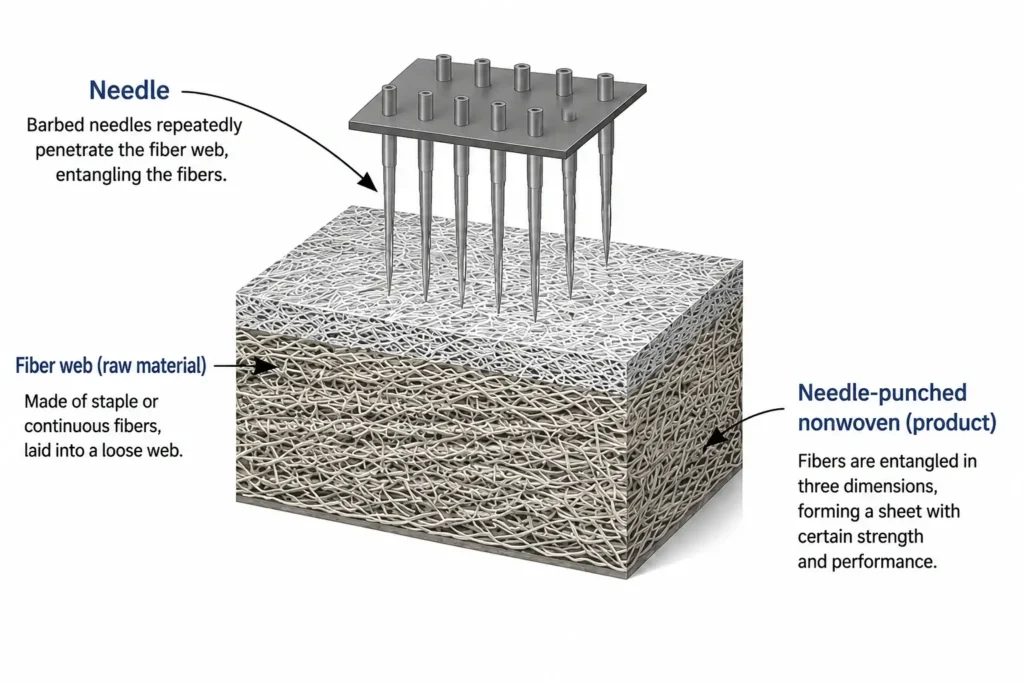
Non-woven fabric is a kind of fabric that connects fibers together by other methods instead of weaving or knitting. It uses physical, chemical or thermal treatment to bond fibers together to form a fiber mesh structure. Non-woven fabric does not have a regular interwoven structure like traditional fabrics. It is formed by random or regular arrangement of fibers.
| Fibre types | Product code | Weight (g/m2) | Continuous Temperature | Peak Temperature | Remark |
|---|---|---|---|---|---|
| Polyester | PE | 450-600 | 130°C | 150°C | Good resistance to oxidation,while limited resistance toacids and alkalis. Service lifewill be affected by hydrolysisat high temperature. |
| Polyacrylonitrile | PAC | 500-550 | 130°C | 150°C | Good resistance to hydrolysis. |
| Polyphenylene Sulfide | PPS | 500-650 | 160°C | 190°C | Moderate resistance to oxida-tion, but excellent resistance toacids, alkali's and hydrolysis. |
| m-Aramide | Nomex/Conex | 400-600 | 204°C | 240°C | Service life will be affectedby hydrolysis at high tem-perature. |
| Polyimide | PI/P84 | 750-800 | 240°C | 260°C | Excellent resistance to highpeak temperature. |
| Polytetrafluoro ethylene | PTFE | 500-550 | 240°C | 260°C | Excellent resistance to allchemical influences. |
| Fiberglass | GL | 750-900 | 260°C | 280°C | Excellent resistance to oxida-tion. Sensitive to mechanicalstress. |
Post Treatment:Heat Setting /Singeing /Glazing /Dipping /MembranerWater and Oil Proof / Low Adhesion
Construction:Heat-Sealed / Ultrasonic Welded or Triple-Stitched Seams
Top Design:Snap Band, Flange Top, Corded, or Open Top
Bottom Design:Reinforced Flat Bottom or Circular Disc Bottom
Different industries produce different dust characteristics — temperature, moisture, abrasiveness and corrosion.We recommend filter media based on real operating conditions.
High Filtration Efficiency: The needle-felt structure captures fine particles throughout the depth of the media, not just on the surface.
Thermal Stability: Available in various fibers to operate in temperatures ranging from 90°C (194°F) up to 260°C (500°F).
Custom Surface Treatments:
Singed & Calendered: For easy dust cake release.
Water & Oil Repellent: To prevent blinding in moist or oily conditions.
PTFE Membrane: For ultra-fine emission control (near-zero emissions).
Antistatic: Integrated conductive fibers for explosive dust environments.
Extended Service Life: Reinforced wear strips and heavy-duty stitching prevent premature failure at the cage contact points.
Polyester (PE): Best for general dry dust. It has higher mechanical strength and can handle higher temperatures (up to 130°C).
Polypropylene (PP): Best for environments with high chemical volatility. If your dust is highly acidic or alkaline and the temperature stays below 90°C, PP is the superior choice due to its near-total chemical inertness.
Hydrolysis is a chemical breakdown caused by the combination of moisture and high heat.
Materials at risk: Nomex (Aramid) and Polyester.
The Solution: If you have high humidity in your flue gas, you should opt for PPS or PTFE, which are naturally resistant to moisture-driven degradation.
You should use antistatic bags if you are handling combustible or explosive dust (such as flour, coal dust, or certain powdered chemicals). These bags contain conductive fibers (usually stainless steel or carbon) to prevent static discharge that could ignite a fire.
Singed: Removes loose surface fibers, making it easier for the “dust cake” to release during cleaning.
Glazed (Calendered): Uses high-pressure heated rollers to create a very smooth surface. This provides the best dust cake release and is excellent for fine, sticky particles.
While life cycles vary by industry, most non-woven bags last 1 to 3 years. Signs that you need a replacement include:
High Pressure Drop: The differential pressure stays high even after cleaning cycles.
Emission Leaks: Visible dust coming from the stack.
Brittleness: The fabric loses its flexibility due to chemical or thermal aging.
Generally, no. Most industrial non-woven bags are designed for dry pulse-jet cleaning. Washing can collapse the pore structure of the felt and strip away essential chemical treatments (like oil/water repellent coatings), significantly reducing filtration efficiency.