


Industry Insights
PTFE vs PPS vs Aramid vs P84 Filter Bags for High-Temperature Filtration
Choosing high-temperature filter bags is not only about temperature. Gas chemistry, moisture, dust type, cleaning method, and baghouse design also matter.
PTFE, PPS, aramid, and P84 filter bags all work in high-temperature filtration. However, each material solves a different problem. The right choice can reduce bag failure, pressure drop, and replacement cost.
This guide compares PTFE vs PPS vs Aramid vs P84 filter bags in clear engineering terms. It helps you narrow down the best filter media for your baghouse.
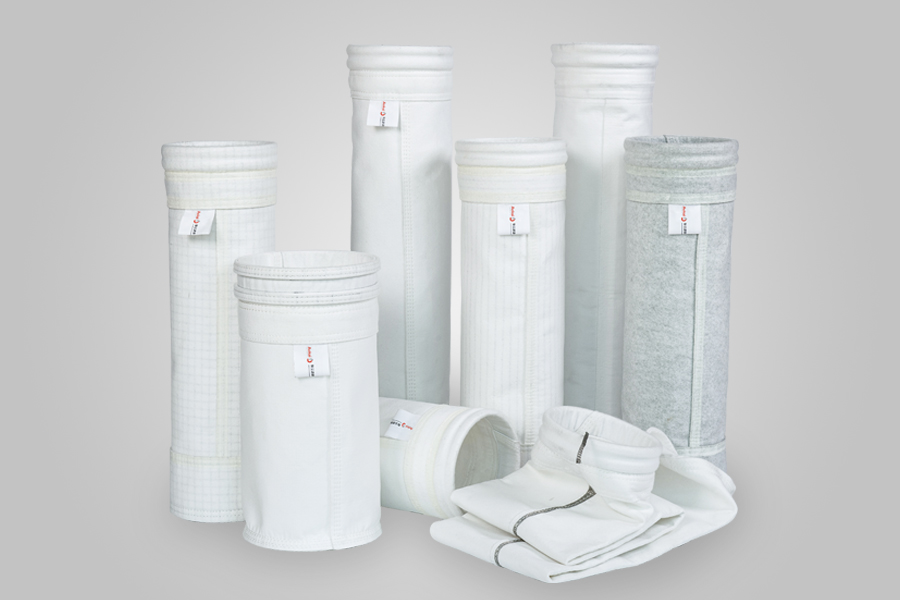
Quick Answer: Which Filter Bag Material Should You Choose?
Choose PTFE filter bags when your system has high heat, corrosive gas, moisture, or difficult dust release conditions.
Choose PPS filter bags for sulfur-containing gas streams, moisture-prone flue gas, and moderate high-temperature conditions.
Choose aramid filter bags for dry, hot, abrasive dust conditions, such as asphalt plants, cement plants, and steel processing.
Choose P84 filter bags for high-temperature fine dust filtration where stable pressure drop and good dust release are important.
The material should never be selected by temperature alone. Always review the continuous temperature, peak temperature, gas composition, oxygen level, dew point, dust properties, and cleaning method before making a final decision.
PTFE vs PPS vs Aramid vs P84 Filter Bags: Comparison Table
| Material | Typical Continuous Temperature | Typical Peak Temperature | Best For | Main Strength | Key Selection Note |
|---|---|---|---|---|---|
| PTFE | Up to 240°C | Up to 260°C | Waste-to-energy, chemical processing, corrosive gas | Strong chemical resistance and easy dust release | Best for severe chemical, moisture, and high-temperature conditions |
| PPS | Up to 160°C | Up to 190°C | Coal boilers, sulfur-containing gas, biomass systems | Works well in selected acidic and moisture-prone conditions | Review oxygen level, sulfur level, and moisture carefully |
| Aramid | Up to 204°C | Depends on media construction | Asphalt, cement, metallurgy, dry hot dust | Good heat resistance and abrasion resistance | Better for dry gas; review acid gas and moisture risks |
| P84 | Up to 240°C | Up to 260°C | Cement kiln tail, incineration, fine dust filtration | Fine particle capture and stable pulse cleaning | Best where fine dust and high heat occur together |
The figures above are typical Aokai product values. Actual limits depend on media structure, fiber blend, surface finish, bag design, and operating conditions.
PTFE Filter Bags: Best for Corrosive and Demanding Conditions
PTFE filter bags are often selected for high-temperature filtration with corrosive gas, high humidity, acid gas, or difficult dust release. They can operate continuously at up to 240°C, with short peak temperatures up to 260°C in suitable configurations.
PTFE has strong chemical resistance. It can be considered for waste incineration, chemical processing, non-ferrous metals, and other baghouses with unstable gas chemistry.
PTFE is also a good option for fine or sticky dust. A membrane-laminated PTFE filter bag keeps more dust on the surface, which can support easier pulse cleaning and lower dust penetration into the felt.
PTFE is not automatically the best option for every system. It should be selected when its chemical and thermal benefits match the real operating risk.

PPS Filter Bags: Best for Sulfur-Containing Gas and Moisture
PPS filter bags are widely used in systems with sulfur-containing flue gas, moisture-prone conditions, and moderate high temperatures. Typical PPS filter bags can operate continuously around 160°C, with short peak temperatures around 190°C.
PPS is often considered for coal-fired boilers, biomass boilers, power plants, and selected chemical applications. It can also be used where acidic gas conditions may damage standard polyester filter media.
However, PPS selection requires a full gas analysis. Temperature, oxygen level, sulfur content, moisture, and dew point all affect long-term performance.
For fine dust or difficult cleaning conditions, PPS can also be supplied with an ePTFE membrane. This can improve surface filtration and dust release.
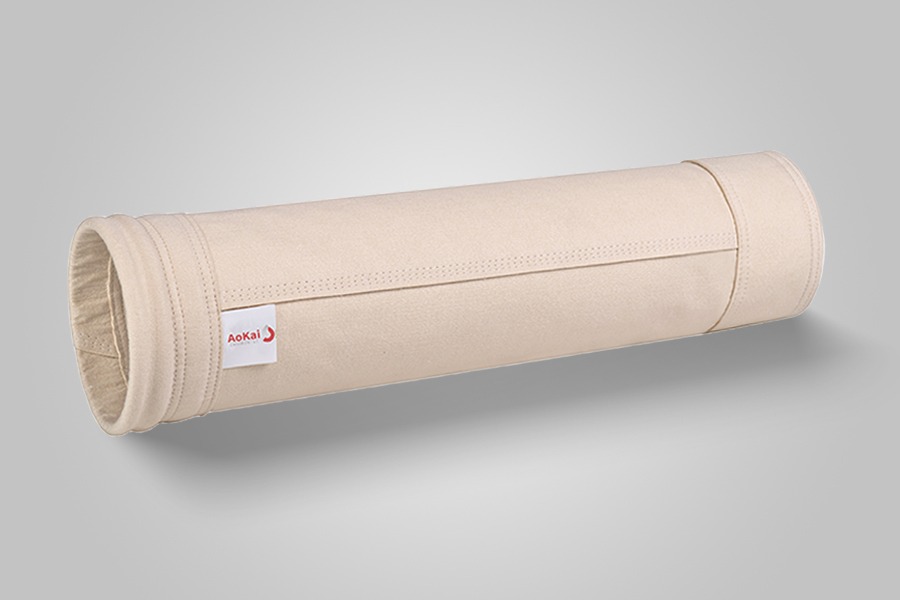
Aramid Filter Bags: Best for Dry, Hot, Abrasive Dust
Aramid filter bags, also called meta-aramid filter bags, are a common choice for dry high-temperature dust collection. They can operate continuously at temperatures up to about 204°C in suitable media designs.
Aramid works well in asphalt mixing plants, cement plants, steel mills, and other applications with dry, abrasive mineral dust. It provides good mechanical strength and abrasion resistance.
Aramid is often a practical choice when temperature is high but gas chemistry is not highly corrosive. It can also be combined with membrane treatment or low-adhesion finishes for sticky asphalt dust or difficult pulse cleaning conditions.
Do not select aramid only because the temperature fits. High moisture, acid gas, and complex chemical conditions may require a different material or a custom fiber blend.

P84 Filter Bags: Best for Fine Dust and High Temperature
P84 filter bags are designed for high-temperature baghouse applications with fine dust and demanding cleaning conditions. Typical P84 media can operate continuously up to 240°C, with peak temperatures up to 260°C.
P84 fibers have a multi-lobal shape instead of a round shape. This gives the material more effective filtration surface and can help reduce deep dust penetration into the filter media.
P84 is often considered for cement kiln tail systems, waste incineration, steel metallurgy, carbon black, and other applications with high heat and fine particulate matter.
P84 filter bags should still be checked against the full gas condition. Acid gas, alkali exposure, moisture, oxygen level, and dust abrasiveness can all affect the final recommendation.

Four Practical Selection Examples
Example 1: Coal Boiler with Sulfur-Containing Flue Gas
A coal boiler runs near 150–160°C. The gas stream contains sulfur compounds and moisture risk is present.
PPS filter bags may be a suitable starting point. The final decision should include oxygen level, sulfur level, dew point, and temperature fluctuation data.
Example 2: Asphalt Plant with Dry Mineral Dust
An asphalt plant runs with dry, hot, abrasive mineral dust. The temperature stays below 204°C, but dust loading is high.
Aramid filter bags are often a practical choice. A membrane or low-adhesion finish may help when asphalt dust becomes sticky or difficult to clean.
Example 3: Waste Incineration with Acid Gas and Fine Fly Ash
A waste-to-energy plant has high heat, acid gas, moisture, and fine fly ash. The operating conditions can change during startup, shutdown, or fuel changes.
PTFE filter bags are often considered because they combine high-temperature capability with strong chemical resistance. In this type of PTFE vs PPS vs Aramid vs P84 filter bags comparison, PTFE is usually the safer direction when gas chemistry creates the main risk.
Example 4: Cement Kiln Tail with Fine Dust
A cement kiln tail system handles fine dust at high temperature. Stable pressure drop and good pulse cleaning are important.
P84 filter bags may be a strong option because of their fine dust capture ability and high-temperature resistance. However, the final media should also consider alkali exposure, moisture, and dust abrasion.
Conclusion
PTFE, PPS, aramid, and P84 filter bags each have a different role in high-temperature filtration.
Choose PTFE for severe chemical exposure, high humidity, and demanding gas conditions. Choose PPS for selected sulfur-containing and moisture-prone flue gas conditions. Choose aramid for dry, hot, abrasive dust. Choose P84 for high-temperature fine dust filtration and stable pulse cleaning.
The best high-temperature filter bags match the complete operating condition, not just the temperature. For complex baghouse systems, review the gas condition, dust behavior, cleaning method, and current bag failure before making a final material decision.
For a broader material review, link this article to your High Temperature Dust Filter Bags page.
FAQ
Is PTFE always better than PPS, aramid, and P84?
No. PTFE offers strong chemical resistance, but it may not be necessary for every application. PPS, aramid, or P84 may be a better fit when the operating condition is less corrosive or has different mechanical demands.
Can PPS filter bags replace aramid filter bags?
Sometimes. PPS may work better in selected sulfur-containing or moisture-prone gas conditions. Aramid is often preferred for dry, hot, abrasive dust conditions. Compare the gas chemistry before changing materials.
Are P84 filter bags suitable for waste incineration?
P84 can be considered for high-temperature and fine dust filtration. However, waste incineration systems often contain acid gas, moisture, and temperature swings, so a full operating review is required.
