


Industry Insights
Nomex Filter Bags vs PPS Filter Bags: Which Is Right for Your Baghouse?
Nomex filter bags are usually preferred for dry, high-temperature dust collection, while PPS filter bags are better suited to humid, acidic, and sulfur-containing gas streams. Nomex Filter Bags vs PPS Filter Bags?The final choice depends on continuous temperature, oxygen level, moisture, gas chemistry, dust properties, and baghouse cleaning method.

Quick Answer: Nomex or PPS Filter Bags?
Choose Nomex filter bags when the baghouse handles dry, high-temperature gas and needs good abrasion resistance. Typical applications include asphalt plants, cement production, foundries, and metal processing.
Choose PPS filter bags when the gas is humid, acidic, or contains sulfur compounds. PPS is commonly used in coal-fired boilers, biomass boilers, industrial power plants, and other applications where hydrolysis and chemical attack are major concerns.
The following table provides a quick comparison.
| Selection Factor | Nomex Filter Bags | PPS Filter Bags |
|---|---|---|
| Fiber type | Meta-aramid | Polyphenylene sulfide |
| Typical continuous temperature | Up to about 200–204°C | Usually up to 160–190°C |
| Short-term temperature peak | Grade-dependent, sometimes up to 220–240°C | Usually around 190°C |
| Moisture resistance | Limited under hot, humid conditions | Very good |
| Hydrolysis resistance | Limited | Excellent |
| Acid resistance | Moderate | Very good |
| Alkali resistance | Moderate | Very good |
| Oxidation resistance | Generally better than PPS | Requires careful oxygen control |
| Abrasion resistance | Good | Good |
| Typical applications | Asphalt, cement, foundries and metal processing | Coal boilers, biomass boilers and acidic flue gas |
| Main limitation | Moisture and acid attack | High oxygen and excessive temperature |
These values are common engineering reference ranges. Actual limits depend on fiber grade, filter media construction, surface treatment, gas composition, and baghouse operating conditions.
What Are Nomex Filter Bags?
Nomex filter bags are high-temperature dust collector bags made from meta-aramid fiber. Nomex® is a registered brand name, although the term is often used in the filtration industry to describe meta-aramid filter media more generally.
Meta-aramid fiber has good thermal stability, flame resistance, and mechanical strength. It does not melt or drip when exposed to heat. These properties make it suitable for dry industrial processes that operate above the safe temperature range of polyester filter bags.
Most Nomex filter bags use needle-punched felt with a supporting scrim. The media can also receive treatments such as singeing, calendering, heat setting, water and oil repellent treatment, or ePTFE membrane lamination.
What Are PPS Filter Bags?
PPS filter bags are made from polyphenylene sulfide fiber. PPS is a high-performance filter material known for its resistance to acids, alkalis, moisture, and hydrolysis.
This material is frequently selected for combustion processes that produce humid or sulfur-containing flue gas. It can maintain useful strength in conditions that may cause rapid chemical damage to standard polyester or meta-aramid media.
PPS also has an important limitation. It can suffer oxidative damage when exposed to high oxygen concentrations at elevated temperatures. Air leakage, unstable combustion, and frequent temperature peaks can shorten its service life.

Nomex Filter Bags vs PPS Filter Bags: Temperature Resistance
Temperature is often the first factor considered during filter bag selection. However, the highest temperature rating does not automatically identify the best material.
Nomex filter bags normally provide a higher temperature range than PPS filter bags. Standard meta-aramid felt is often used at continuous temperatures close to 200°C. Some constructions can handle short temperature peaks above this level, but repeated peaks will still accelerate aging.
PPS filter bags usually operate at lower continuous temperatures. Depending on the fiber grade and operating environment, the practical range is often between 160°C and 190°C.
Temperature should be checked in three ways:
- Normal continuous operating temperature
- Maximum short-term peak temperature
- Temperature distribution across the baghouse
A single temperature reading at the inlet may not show the actual conditions in every compartment. Hot spots can damage some bags while the average system temperature still appears acceptable.
Which Material Performs Better in Humid Gas?
PPS is generally the better choice for humid gas.
Nomex filter bags can lose strength through hydrolysis when exposed to heat and moisture for a long period. The risk becomes higher when the baghouse frequently operates near the acid dew point or when condensation forms during startup and shutdown.
PPS has much better hydrolysis resistance. It is therefore widely considered for boilers and combustion systems where water vapor is present in the flue gas.
However, installing PPS filter bags does not remove the need to control condensation. Moisture can still combine with fine dust to form a sticky dust cake. This can increase differential pressure and make pulse cleaning less effective.
Which Material Has Better Chemical Resistance?
PPS filter bags usually provide better resistance to acids, alkalis, and sulfur-containing gas.
This is one reason PPS is commonly used in coal-fired and biomass boiler baghouses. Sulfur compounds, moisture, and changing fuel quality can create a difficult environment for filter media.
Nomex filter bags offer moderate chemical resistance but perform best in relatively dry gas with limited acid or alkali attack. Strong acid gas and frequent condensation may cause the fiber to lose strength earlier than expected.
The chemical environment should be evaluated using actual operating data. Useful information includes:
- SO₂ and SO₃ concentration
- Oxygen content
- Water vapor and relative humidity
- Acid dew point
- Alkali content
- Startup and shutdown frequency
- Use of sorbents or flue gas treatment chemicals
Why Is Oxygen Important for PPS Filter Bags?
PPS has strong chemical and hydrolysis resistance, but it is sensitive to oxidation at elevated temperatures.
High oxygen concentration can attack the PPS polymer chain and reduce the tensile strength of the filter media. The risk increases when high oxygen and high temperature occur at the same time.
Before selecting PPS filter bags, the plant should check normal and peak oxygen levels. Air leakage into the ductwork or baghouse should also be investigated. A material that performs well under controlled combustion may fail much faster when outside air continuously enters the system.
There is no single oxygen limit that applies to every PPS filter bag. The acceptable range depends on temperature, exposure time, fiber grade, and gas chemistry. The filter media supplier should review these conditions before confirming the material.
Nomex vs PPS Filter Bags for Different Industries
Asphalt Mixing Plants
Nomex filter bags are often a suitable choice for asphalt plants. The exhaust gas is normally hot, and the mineral dust can be abrasive. Meta-aramid felt provides good temperature resistance and mechanical strength under dry conditions.
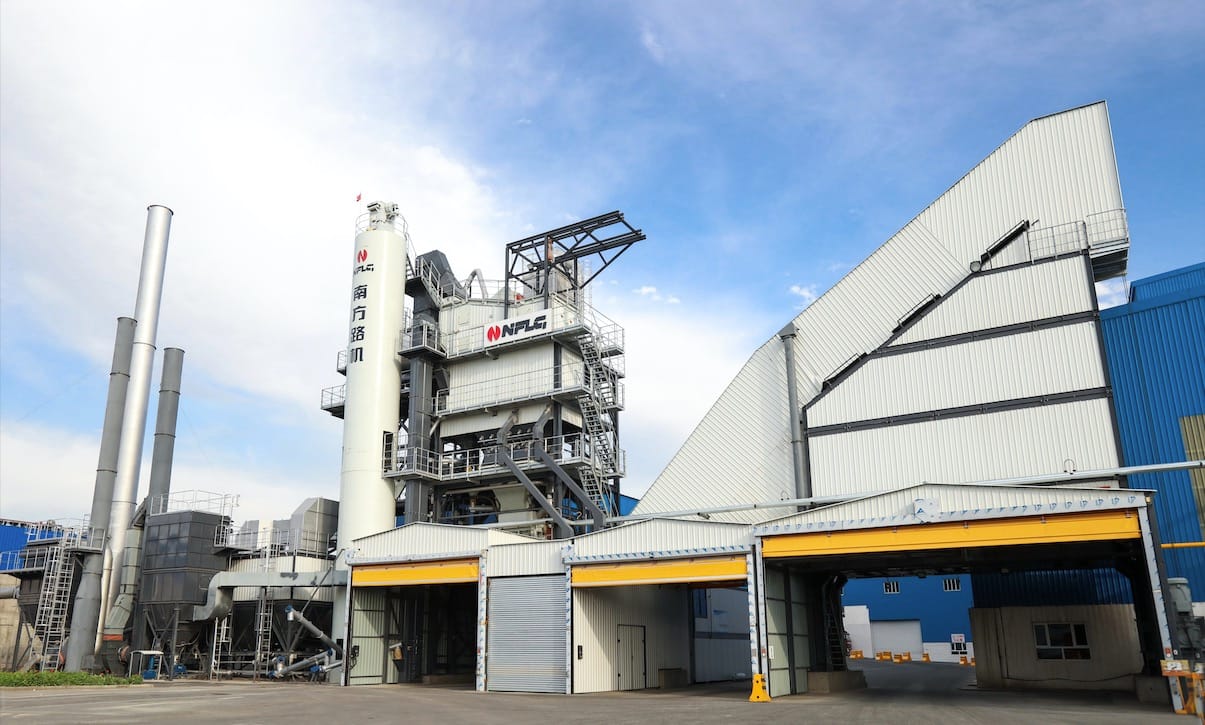
Moisture and oil vapor still need attention. If the baghouse operates close to the dew point, sticky dust may block the filter surface. Fuel quality and sulfur content should also be considered.
For more detailed guidance, read our guide on selecting Nomex filter bags for asphalt plants.
Cement Plants
Nomex filter bags can be used in several high-temperature cement dust collection points. They may be suitable where the gas remains dry and the temperature is stable.
Cement plants often have very different conditions at the kiln, cooler, mill, and material-handling sections. Moisture, alkali content, abrasion, and temperature peaks should be evaluated for each dust collector.
PPS may be considered when acidic or humid gas is present, but oxygen exposure must remain within the recommended range.
Coal-Fired Boilers
PPS filter bags are usually more suitable for coal-fired boiler flue gas. They provide strong resistance to sulfur compounds, acids, and moisture.
The main concern is oxidation. High excess air, air leakage, or unstable combustion can increase oxygen exposure and reduce PPS strength. Temperature should also remain within the approved operating range.
Biomass Boilers
Biomass fuel can create variable operating conditions. Fuel moisture, ash composition, oxygen level, and combustion temperature may change during operation.
PPS is often considered because of its hydrolysis and chemical resistance. However, high oxygen levels and frequent combustion changes must be reviewed carefully. In some systems, a PPS blend, PTFE-based media, or another material may provide better long-term stability.
Foundries and Metal Processing
Nomex filter bags are often used for hot, dry dust from foundries and metal-processing plants. Their thermal stability and abrasion resistance can provide reliable performance.
The presence of sparks, oil mist, corrosive fumes, or combustible dust may require additional treatment or a different material. The plant should also confirm whether anti-static properties are needed.
Which Material Provides Longer Service Life?
Neither material always lasts longer. Filter bag life depends on how well the material matches the actual gas and dust conditions.
Nomex filter bags may provide a long service life in hot, dry processes. Their life can drop quickly when exposed to condensation, acid attack, or temperatures above the approved limit.
PPS filter bags can perform well in humid and acidic gas. Their service life may shorten when oxygen concentration is too high or when the baghouse experiences frequent temperature peaks.
Common causes of early failure include:
- Incorrect filter media selection
- High or unstable temperature
- Condensation and acid dew-point corrosion
- Excessive oxygen exposure
- Abrasive dust at high filtration velocity
- Damaged or corroded filter cages
- Incorrect bag dimensions
- Excessive pulse-cleaning pressure
- Poor bag-to-cage fit
- Air leakage into the system
A used-filter-bag analysis can help identify whether failure came from chemical attack, thermal damage, abrasion, or mechanical wear.
Can Nomex and PPS Filter Bags Use an ePTFE Membrane?
Yes. Both Nomex and PPS filter media can be laminated with an ePTFE membrane when the construction and operating conditions are suitable.
An ePTFE membrane creates a surface-filtration layer. Dust is collected mainly on the membrane instead of penetrating deeply into the needle felt. This can improve fine-particle collection and make dust release easier.
A membrane may help:
- Reduce dust penetration into the felt
- Improve filtration efficiency
- Stabilize emissions
- Support lower residual dust loading
- Improve cake release for difficult fine dust
The membrane does not correct a poor material choice. A Nomex filter bag with an ePTFE membrane can still suffer hydrolysis in hot, humid gas. A PPS membrane filter bag can still experience oxidative damage.
How Do Surface Treatments Affect Performance?
Surface treatments can improve dust release and protect the filter media, but each treatment addresses a different problem.
Singeing removes loose surface fibers and creates a smoother filtration surface. Calendering compresses the surface and can reduce dust penetration. Water and oil repellent treatment helps limit liquid absorption during temporary exposure.
An ePTFE membrane provides a more complete surface-filtration layer. It is often selected for fine dust, strict emission requirements, or applications where dust enters the felt and causes high residual pressure drop.
The correct finish should be selected according to dust particle size, moisture, oil content, emission target, cleaning method, and acceptable pressure drop.
How to Choose Between Nomex and PPS Filter Bags
Step 1: Confirm the Temperature
Record the normal operating temperature and the highest temperature reached during abnormal conditions. Do not select the material according to average temperature alone.
Step 2: Check Moisture and Dew Point
Determine whether the system experiences condensation during startup, shutdown, or low-load operation. PPS usually has an advantage when hot moisture and hydrolysis are major concerns.
Step 3: Review the Gas Chemistry
Measure acids, alkalis, sulfur compounds, oxygen, and other reactive components. Nomex is generally better suited to relatively dry gas, while PPS offers stronger resistance to many acidic environments.
Step 4: Evaluate the Dust
Check whether the dust is abrasive, sticky, oily, fine, combustible, or difficult to release. These properties influence media weight, surface finish, membrane selection, and cleaning settings.
Step 5: Inspect the Baghouse Design
Confirm the cleaning system, air-to-cloth ratio, cage design, bag dimensions, pulse pressure, and airflow distribution. Even the correct fiber can fail when the baghouse operates outside its design conditions.
Step 6: Compare Total Operating Cost
The lowest filter bag price does not always produce the lowest operating cost. Consider bag life, differential pressure, compressed-air consumption, emissions, maintenance labor, and production downtime.
Nomex or PPS: Final Selection Guide
Select Nomex filter bags when:
- The gas is hot and relatively dry
- Chemical attack is limited
- Good abrasion resistance is required
- The application includes asphalt, cement, foundry, or metal dust
- The operating temperature is too high for polyester
Select PPS filter bags when:
- The gas contains moisture or sulfur compounds
- Hydrolysis resistance is important
- Acid and alkali resistance are required
- The application includes coal-fired or biomass boilers
- Oxygen and temperature can be properly controlled
Consider another material when neither Nomex nor PPS fits the operating conditions. PTFE, P84, fiberglass, acrylic, blended media, or membrane-laminated constructions may offer better performance in specific environments.
Frequently Asked Questions
Are Nomex and aramid filter bags the same?
Nomex is a brand name for a type of meta-aramid fiber. In the filtration industry, “Nomex filter bags” and “aramid filter bags” are often used for similar products. However, not every meta-aramid filter bag is made with branded Nomex fiber. Buyers should confirm the fiber source, media construction, weight, finish, and temperature rating.
Which filter bag handles higher temperatures, Nomex or PPS?
Nomex filter bags generally handle higher temperatures than PPS filter bags. Meta-aramid media is commonly used near 200°C under suitable dry conditions. PPS normally operates at a lower temperature but offers better resistance to moisture, hydrolysis, and many acidic gases. Actual temperature limits depend on the media grade and gas composition.
Can Nomex filter bags be used in humid conditions?
Nomex filter bags can tolerate limited moisture, but they are not the preferred choice for long-term exposure to hot, humid gas. Moisture and heat can cause hydrolysis and reduce fiber strength. If the gas is consistently humid or operates near the acid dew point, PPS, PTFE, or another hydrolysis-resistant material may be more suitable.
When should PPS be selected instead of Nomex?
PPS should be considered when the flue gas contains moisture, sulfur compounds, acids, or alkalis. It is commonly used in coal-fired and biomass boiler baghouses. However, PPS is sensitive to oxidation, so oxygen concentration, operating temperature, air leakage, and combustion stability must be reviewed before selection.
Are PPS filter bags more expensive than Nomex filter bags?
The price depends on fiber source, media weight, construction, surface treatment, membrane, dimensions, and order quantity. PPS may cost more than standard meta-aramid media in some markets, but purchase price should not be the only factor. Filter bag life, pressure drop, energy consumption, maintenance, and downtime affect the total operating cost.
Can Aokai manufacture replacement bags from a sample?
Yes. Aokai can manufacture replacement filter bags using an existing sample, drawing, or confirmed dimensions. For accurate production, we also recommend providing the filter bag material, diameter, length, top and bottom construction, cage dimensions, operating temperature, gas composition, dust type, cleaning method, and required quantity.
Conclusion
The main difference between Nomex filter bags and PPS filter bags is the operating environment they can tolerate.
Nomex is generally the stronger choice for dry, high-temperature dust collection. PPS is usually better for humid, acidic, and sulfur-containing gas, provided that oxygen exposure and temperature remain controlled.
A reliable selection should be based on actual baghouse data. Send Aokai your operating temperature, peak temperature, moisture, oxygen level, gas composition, dust properties, bag dimensions, and cleaning method. Our engineers can recommend a suitable filter media and bag construction for your system.
