


Sektör İçgörüleri
Toz Toplayıcı Filtre Torbası Performansı için Hücre Plakası Hassasiyetinin Kritik Önemi
Giriş
Herhangi bir endüstriyel filtrasyon sisteminde, toz toplayıcı filtre torbası operasyonun kalbidir. Ancak, en yüksek kalitedeki filtre torbası bile etkili bir şekilde çalışamaz, eğer hücre plakası (tüp tablosu) kusurlu. Hücre plakası, temiz ve kirli gaz arasındaki “su bölümü” görevini görür. Profesyoneller için Aokai, Filtre torbasının segman halkası ile hücre plakası deliği arasındaki sinerjinin emisyon kontrolünüzün başarısını belirlediğini anlıyoruz.

Toz Toplama Filtre Torbanız İçin Uygunluğun Önemi
Arayüzü toz toplayıcı filtre torbası ve hücre plakası hava geçirmez olmalıdır. Hücre plakası deliklerindeki boyutlandırma hataları birkaç kritik soruna yol açar:
- Gevşek Uyum Delik çok büyükse, filtre torbasının yaylı halkası (yaylı halka) sıkı bir sızdırmazlık sağlayamaz. Bu durum, torbanın düşmesine veya kaymasına neden olabilir.
- Baypas Kaçağı Gevşek bir bağlantı, tozun toz toplayıcı filtre torbası, bacadan “kanama” veya görünür toz emisyonlarına yol açar.
- Erken Filtre Arızası: Hassas olmayan delikler, darbe jetli temizleme sırasında torba manşetinde düzensiz gerilime ve mekanik aşınmaya neden olarak filtre torbasının ömrünü önemli ölçüde kısaltır.
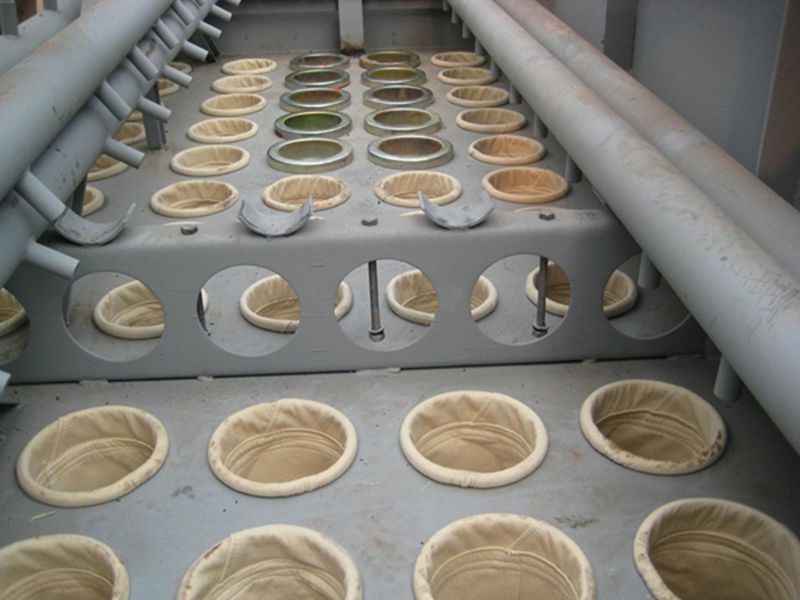
Aokai'nin Teknik Özellikleri ve Önerileri
Sağlamak için toz toplayıcı filtre torbası maksimum verimlilikle çalışır, Aokai hücre plakası üretimi için aşağıdaki mühendislik kriterlerini sunmaktadır:
- Standart Boyutlandırma Hücre plakası deliği çapı için 133 mm, şunu öneririz: toz toplayıcı filtre torbası çapı 130 mm.
- Kesin Tolerans Delik çapı şu tolerans dahilinde korunmalıdır 0 ila +0.3 mm.
Bu teknik özelliklere uyulması halinde, filtre torbasının geçme halkası, 100% gaz sızdırmaz sızdırmazlığı sağlamak için gerekli genleşme kuvvetini sağlayabilir.
