


Sektör İçgörüleri
What is the difference between PTFE membrane and non-membrane filter bags?
What Is the Difference Between PTFE Membrane and Non-Membrane Filter Bags? Let ptfe filter bags manufacturer Explain.
PTFE membrane filter bags use an ePTFE membrane laminated to the surface of a PTFE needle felt or other filter media. They mainly collect dust on the membrane surface, helping improve fine-particle capture, dust release and emission control.
Non-membrane PTFE filter bags rely more on depth filtration inside the felt structure. They can be suitable for certain dry-dust applications, but may allow more dust penetration into the media and can require more careful cleaning control over time.
For baghouse systems handling corrosive gas, fine dust, strict emission limits or difficult dust-release conditions, membrane-laminated PTFE filter bags are often the stronger option. However, the best choice still depends on dust properties, gas chemistry, operating temperature, cleaning method and filtration velocity.
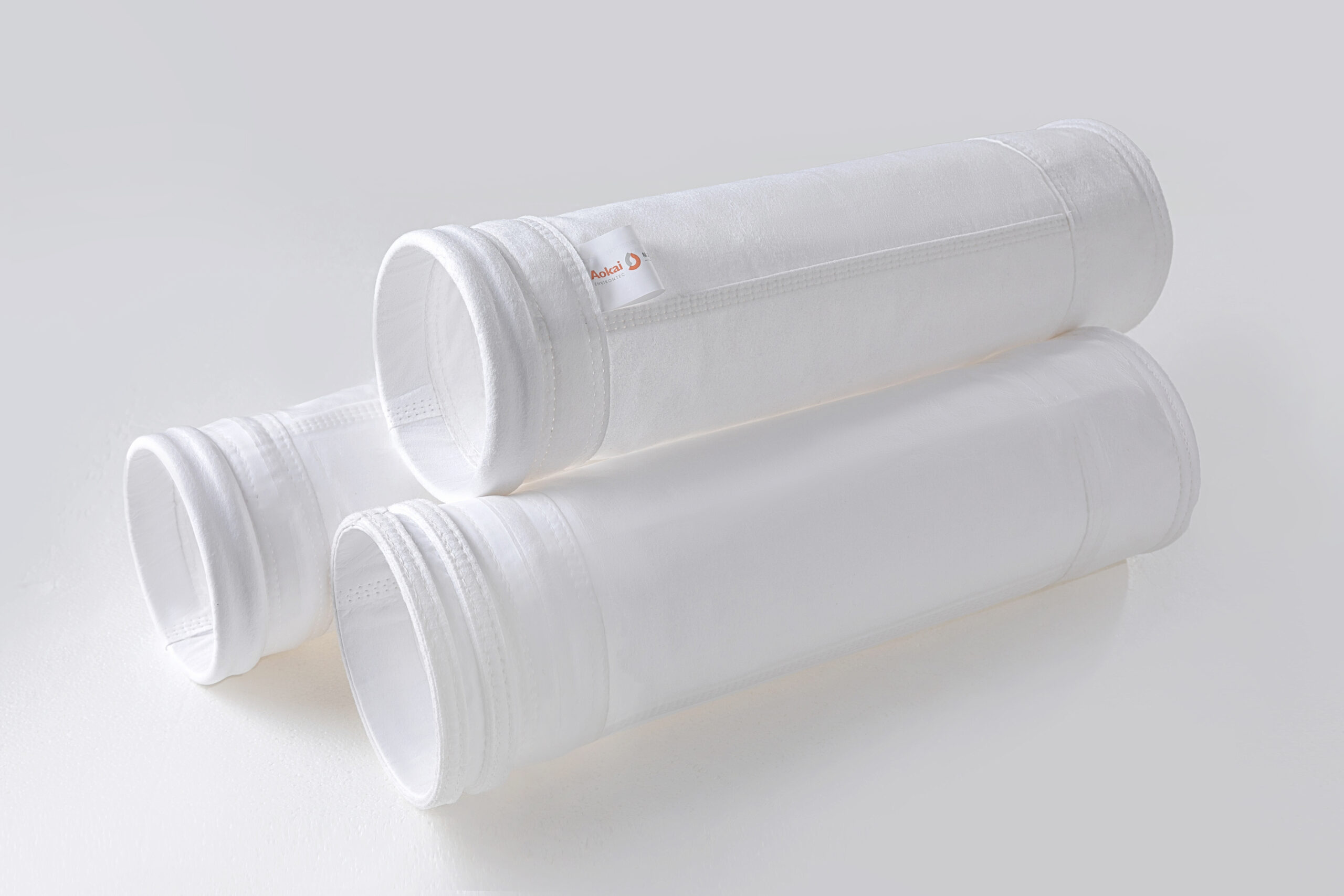
What Is a PTFE Membrane Filter Bag?
A PTFE membrane filter bag is usually made by laminating a microporous ePTFE membrane onto the surface of a filter felt. In industrial dust collection, the base material may be 100% PTFE needle felt or another suitable high-performance filter media.
The membrane creates a very fine filtration layer on the gas-entry side of the bag. Instead of allowing dust to penetrate deeply into the felt, the membrane captures most particles on its surface.
This is commonly called surface filtration.
PTFE membrane filter bags are widely considered for applications involving:
- Fine and light dust
- Corrosive gases
- Acidic or alkaline gas components
- High-humidity conditions
- Tight emission requirements
- Difficult dust-release conditions
- Waste-to-energy and chemical processing systems
What Is a Non-Membrane PTFE Filter Bag?
A non-membrane PTFE filter bag uses PTFE needle felt without an ePTFE membrane layer on the surface.
During operation, dust particles can enter the upper layer of the felt and form a dust cake gradually. This is often described as depth filtration, because filtration occurs both on the surface and within the felt structure.
Non-membrane PTFE filter bags still provide excellent chemical resistance and high-temperature capability. However, their filtration behavior is different from membrane-laminated bags.
They are often evaluated for applications where:
- Dust is relatively dry and less difficult to release
- Emission limits are not extremely strict
- Fine-particle control is less critical
- Initial media cost is a major consideration
- The baghouse has stable cleaning and operating conditions
PTFE Membrane vs Non-Membrane Filter Bags: Key Differences
| Feature | PTFE Membran Filtre Torbaları | Non-Membrane PTFE Filter Bags |
|---|---|---|
| Filtration mechanism | Mainly surface filtration | More depth filtration |
| Dust capture location | Mostly on the membrane surface | On the surface and inside the felt |
| Fine-dust control | Usually stronger | Depends more on felt structure and dust cake |
| Dust release | Generally easier | Can become more difficult after dust penetrates the felt |
| Pressure drop stability | Often more stable when properly selected | May rise if dust becomes embedded in the media |
| Emission performance | Better suited to low-emission applications | May be suitable for less demanding requirements |
| Initial cost | Usually higher | Usually lower |
| Abrasive dust suitability | Must be evaluated carefully | Must also be evaluated carefully |
| Typical application | Fine dust, corrosive gas, strict emissions | Stable dry dust, moderate filtration requirements |
How Does the Membrane Change Filtration Performance?
The main difference between membrane and non-membrane filter bags is where the dust is captured.
With a membrane-laminated filter bag, particles are retained close to the membrane surface. During pulse cleaning, the dust cake can be released more effectively because it does not penetrate as deeply into the felt.
This can provide several operating benefits:
- Faster dust-cake release
- Lower residual dust inside the media
- More stable differential pressure
- Lower risk of deep clogging
- Improved fine-particle capture
- Better support for low-emission targets
By comparison, non-membrane filter bags depend more heavily on the dust cake to achieve high filtration efficiency. As dust gradually enters the felt surface, cleaning can become less effective if the media is not matched to the process conditions.
For a broader view of material selection, see our filter bag material comparison.
When Should You Choose PTFE Membrane Filter Bags?
PTFE membrane filter bags are usually recommended when the dust collector must achieve stable filtration efficiency under difficult operating conditions.
They are particularly suitable when the system has one or more of the following challenges:
Fine or Low-Density Dust
Fine fly ash, chemical powder, carbon black, battery-material dust and other light particles can be difficult to release from conventional felt. A membrane helps keep the dust on the surface instead of allowing it to penetrate deeply into the media.
Strict Emission Requirements
When the plant needs lower outlet emissions, a membrane-laminated surface can provide a more consistent barrier against fine dust particles.
Actual emission performance still depends on baghouse design, air-to-cloth ratio, cleaning pressure, bag installation, dust properties and system maintenance.
Corrosive or Moisture-Related Conditions
PTFE has excellent resistance to many chemical environments. When corrosive gases, acidic components or moisture-related risks are present, a PTFE membrane can also help reduce dust penetration into the felt surface.
However, PTFE membrane does not eliminate the need to control condensation, dew point and gas temperature inside the baghouse.
Difficult Dust Release
Some dusts are sticky, irregular, fine or prone to forming a dense cake. In these cases, membrane filtration can help improve cleaning efficiency and reduce long-term pressure-drop buildup.
When Can Non-Membrane PTFE Filter Bags Be a Better Fit?
Non-membrane PTFE filter bags are not automatically a lower-quality option. In some applications, they can be an effective and economical solution.
They may be considered when:
- The dust is dry and relatively easy to clean
- The baghouse operates with stable pulse-cleaning performance
- Filtration velocity is conservative
- Emission requirements are moderate
- The process does not involve extremely fine or sticky dust
- Budget control is important
The final decision should not be based only on membrane cost. A lower initial purchase price may not create a lower operating cost if pressure drop rises quickly, cleaning demand increases or bag life becomes unstable.
Does a PTFE Membrane Always Mean Lower Pressure Drop?
Not always.
A properly selected PTFE membrane filter bag can help maintain a lower and more stable residual pressure drop because dust is released from the surface more effectively. But pressure drop is affected by many operating factors, including:
- Dust concentration
- Particle size distribution
- Dust moisture and stickiness
- Hava-bez oranı
- Pulse pressure and cleaning frequency
- Bag length and diameter
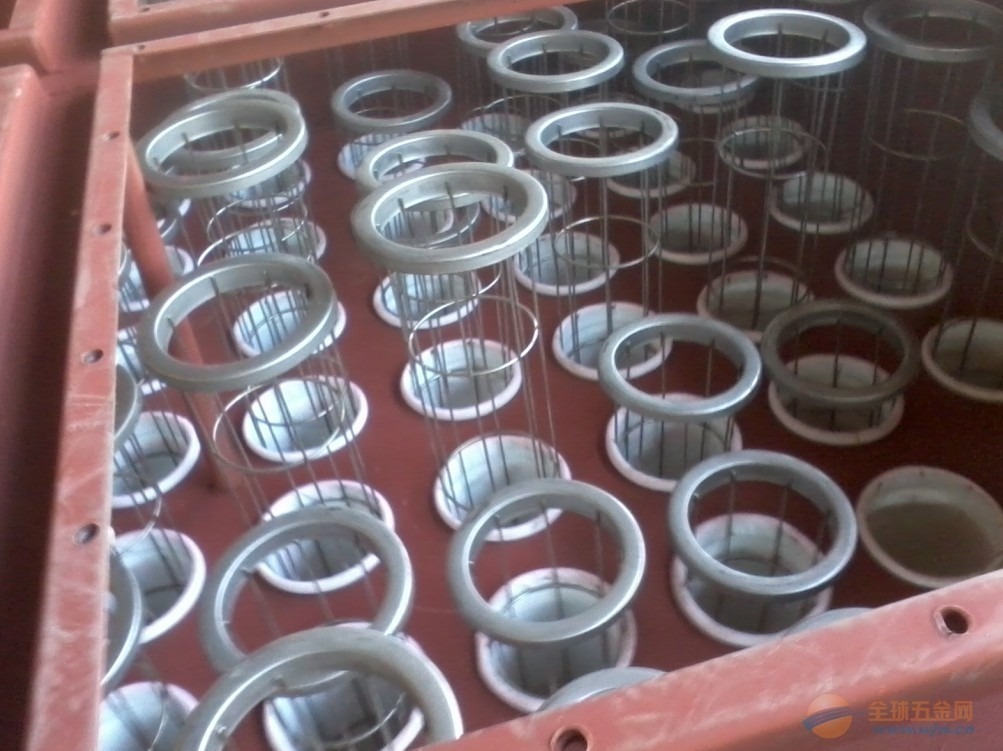
- Filter cage condition
- Gas temperature and dew point
- System leakage or condensation
A membrane cannot correct an undersized dust collector, poor cleaning design, damaged cages or unsuitable operating conditions.
Temperature and Chemical Resistance of PTFE Filter Bags
Replacement ptfe filter bags often selected because of their excellent chemical resistance and high-temperature capability.
For industrial dust collection, 100% PTFE filter media is commonly used at approximately:
| Property | Typical PTFE Filter Bag Capability |
|---|---|
| Continuous operating temperature | Up to 240°C |
| Short-term peak temperature | Up to 260°C |
| Acid resistance | Mükemmel |
| Alkali resistance | Mükemmel |
| Hydrolysis resistance | Mükemmel |
| Oxidation resistance | Generally strong, but process conditions must be evaluated |
| Moisture resistance | Excellent, but condensation should still be avoided |
Actual operating limits should always be confirmed based on gas composition, oxygen level, temperature fluctuation, pressure conditions and baghouse design.
How to Select Between Membrane and Non-Membrane PTFE Filter Bags
Before selecting the filter media, collect the following information:
- Operating and peak temperature
- Gas composition, including acid gases and oxygen content
- Dust type, particle size and dust loading
- Moisture level, dew point and condensation risk
- Dust collector type and cleaning method
- Filtration velocity or air-to-cloth ratio
- Required emission level
- Existing bag dimensions and top/bottom construction
- Filter cage design and pulse-cleaning pressure
- Current problems, such as high pressure drop, bag breakage or dust leakage
A complete selection should consider both filter media and bag construction. Snap band size, cuff design, bag length, bottom style, seam construction and membrane treatment all influence final performance.
Frequently Asked Questions
Is an ePTFE membrane the same as a PTFE filter bag?
No. An ePTFE membrane is a thin microporous filtration layer. A PTFE filter bag refers to the complete filter element, including the base felt, membrane treatment if used, seams, top construction and bottom construction.
Are PTFE membrane filter bags suitable for all dust collectors?
No. They are highly effective in many demanding applications, but the selection must match the dust, gas conditions, cleaning method and baghouse design.
Can a PTFE membrane filter bag handle wet gas?
PTFE itself has strong moisture resistance, but no filter bag should be selected on the assumption that condensation is acceptable. Condensation can cause dust buildup, corrosion, mudding and abnormal pressure drop inside a baghouse.
Are membrane filter bags always more expensive?
Their initial purchase price is often higher because of the membrane lamination process. However, the total operating cost may be lower when they improve dust release, pressure-drop stability, emission control and service life.
Select the Right PTFE Filtre Torbası for Your Baghouse
The difference between PTFE membrane and non-membrane filter bags is not simply a choice between “premium” and “standard” media. It is a decision about filtration mechanism, dust behavior, cleaning performance and long-term operating cost.
For fine dust, corrosive gas, difficult cleaning conditions or stricter emission control, membrane-laminated PTFE media is often worth evaluating. For stable and less demanding dry-dust conditions, non-membrane PTFE felt may remain a practical option.
Aokai supplies custom PTFE filter bags for industrial baghouses, including 100% PTFE needle felt, ePTFE membrane options, custom dimensions, snap bands, cuffs, rings and bottom configurations.
For a technical recommendation, send your existing bag drawing or sample together with operating temperature, dust type, gas composition, baghouse cleaning method and required quantity.
