


Sektör İçgörüleri
How Are Industrial Dust Filter Bags Manufactured?

- Seam construction
- Reinforcement at high-stress areas
- Installation direction and available space
For custom dust filter bags, a drawing, old sample or clear product photos are often the best starting point.Aokai offers seven standard filter bag materials widely used in industrial applications. Based on these materials, we can also develop fiber blends and customize needle felt with different thicknesses, weights, and air permeability to meet customer requirements, as well as woven fiberglass filter cloth solutions.
3. Cutting the Filter Media
Once the material and bag dimensions are confirmed, the filter media is cut according to the approved specification.
Accurate cutting matters because even a small error can affect bag diameter, bag length or the position of the top and bottom components.
For larger production runs, automated cutting equipment can improve consistency. For special bag designs, cutting may also include additional reinforcement pieces, cuffs, bottom discs, wear strips or sealing components.
At this stage, the goal is simple: every part must fit correctly before sewing begins.
4. Sewing the Filter Bag Body
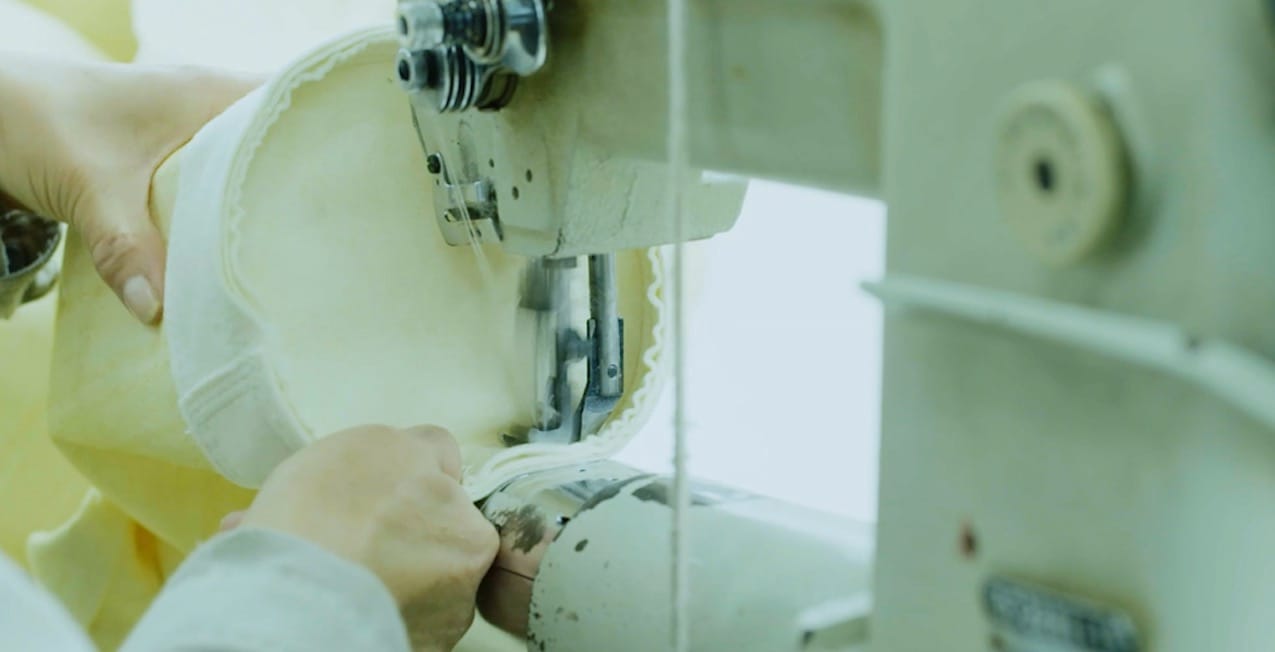
After cutting, the filter media is formed into the bag body and sewn together.

The seam is one of the most important parts of a filter bag. A weak or poorly designed seam can fail long before the filter media reaches the end of its expected life.
Seam Construction Matters
The sewing method depends on the bag design and operating conditions. The manufacturer may need to consider:
- Sewing thread material
- Stitch density
- Seam direction
- Reinforcement design
- Aşınma direnci
- Temperature resistance
- Chemical resistance
For example, bags used in high-temperature or corrosive conditions may require sewing thread that can withstand the same environment as the filter media.
Reinforcement in High-Stress Areas
Some parts of the bag experience more stress than others.
The bag top, the area around the snap band, the bottom seam and any contact point with the cage or suspension system may need additional reinforcement.
This is particularly important for shaker baghouses, where the bags are repeatedly flexed during cleaning, and for applications with strong pulse cleaning or abrasive dust.
5. Assembling the Bag Top and Bottom
The top and bottom construction determines how the bag is installed and supported inside the dust collector.
For pulse-jet baghouses, the top may include a snap band that locks into the tube sheet. The bag is then supported by a filter cage.
For reverse-air or shaker collectors, the bag may use a cuff, ring, loop, hanging cap or tensioning arrangement instead.
Common top and bottom options include:
- Snap band tops
- Felt cuffs
- Steel rings
- Flanges
- Suspension loops
- Round bottoms
- Flat bottoms
- Reinforced bottoms
- Open or skirted bottoms
This is why “same material, same size” does not always mean “same filter bag.”
6. Applying Surface Finishing When Required
Some industrial dust filter bags require additional finishing to improve dust release, surface performance or resistance to certain operating conditions.
Common finishing options include:
- PTFE membran laminasyonu
- Anti-statik işlem
- Water and oil repellent treatment
- Singeing
- Sırlama
- Heat setting
A PTFE membrane can help control fine dust on the surface of the bag in suitable applications. Anti-static designs may be needed where static dissipation is part of the safety requirement. Water and oil repellent finishes can be useful where moisture or oily vapor may affect bag performance.
These options should be selected based on the process, not added simply because they sound more advanced.
7. Inspecting the Finished Filter Bags
Quality inspection is the final checkpoint before packing.
A filter bag may look simple, but several details must be checked before it leaves the factory.
Typical inspection items include:
- Filter media weight and thickness
- Bag diameter and length
- Sewing quality
- Seam appearance
- Top and bottom configuration
- Surface condition
- Quantity
- Packaging condition

PTFE membrane laminated industrial dust filter bags
For critical replacement projects, production photos or inspection photos can help customers confirm that the bags match the approved design before shipment.
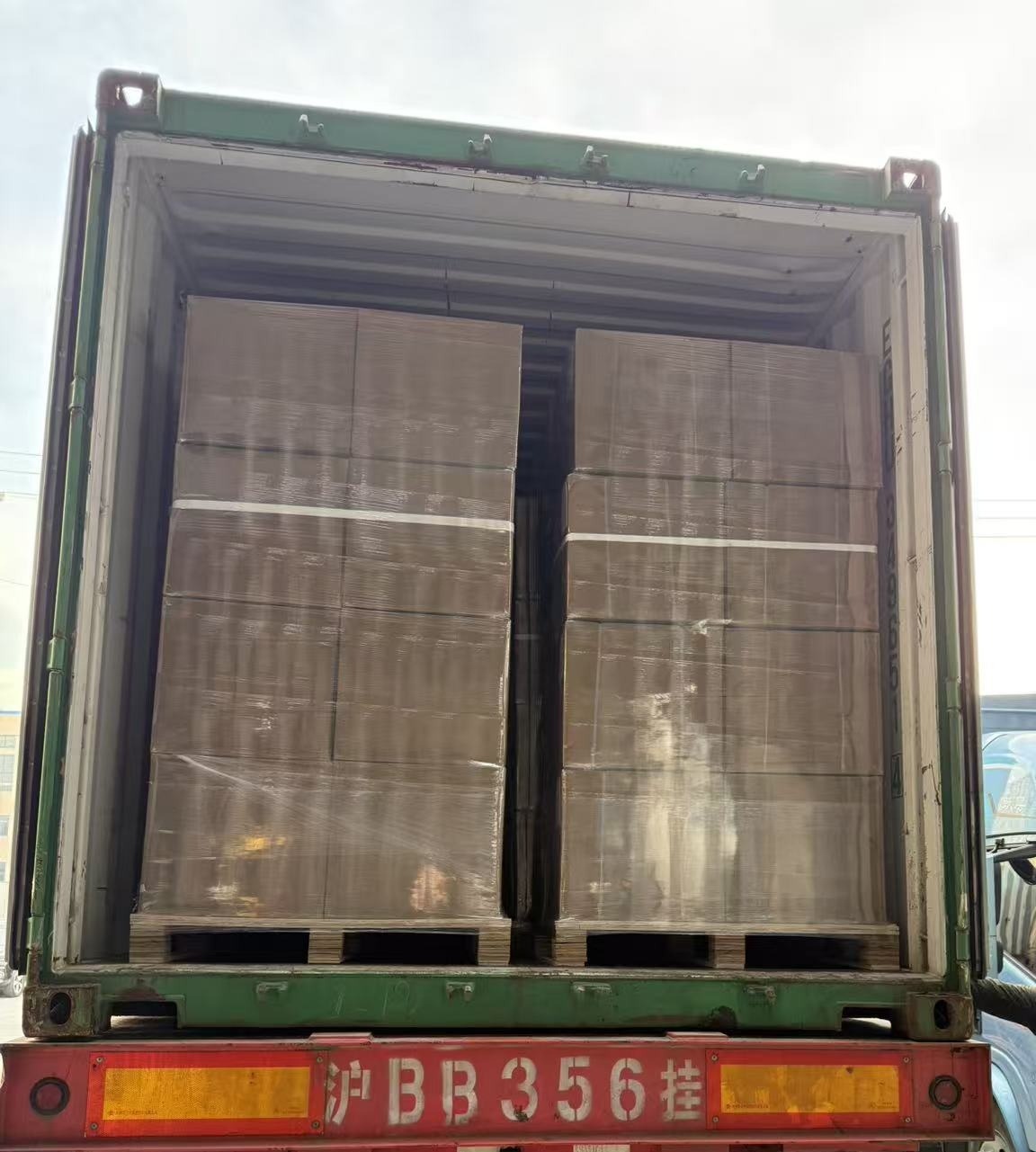
8. Packing and Preparing for Shipment
After inspection, the bags are packed to protect them during handling and transportation.
Packaging may vary depending on bag size, quantity, shipping method and customer requirements. Export orders may also require carton markings, labels, OEM packaging or special packing lists.
Proper packing matters because damaged snap bands, distorted bag tops or contaminated filter media can create problems before the bags are even installed.
Why Manufacturing Quality Matters
Poor manufacturing can shorten filter bag life even when the filter media itself is correct.
A bag may fail early because of:
- Incorrect dimensions
- Weak seams
- Wrong bag top or bottom design
- Poor cage compatibility
- Missing reinforcement
- Incorrect finishing treatment
- Inconsistent cutting or sewing
This is why choosing an industrial filter bag manufacturer is not only about comparing material names or unit prices. The manufacturer must be able to match the material, bag construction and finishing details to the dust collector and working conditions.
Can a Manufacturer Copy an Existing Filter Bag?
In many cases, yes.
A dust filter bag manufacturer can usually evaluate an existing sample, drawing or clear photos to identify the main construction details. These may include the bag diameter, length, media type, top design, bottom design, seam location and reinforcement areas.
However, copying the visible structure is only part of the job. It is also important to understand why the old bag was being replaced. If the original bag failed early, simply copying it may repeat the same problem.
What Information Helps With Custom Filter Bag Manufacturing?
To receive a more accurate recommendation, it is helpful to provide:
- Existing filter bag drawing, sample or photos
- Bag diameter and length
- Quantity required
- Dust collector type
- Dust type and application industry
- Operating temperature
- Gas chemistry and moisture level
- Cleaning method and pulse pressure
- Current filter bag problems
- Delivery destination
Even if some information is missing, a professional manufacturer can use the available details to ask the right follow-up questions.
Final Thoughts
Industrial dust filter bags are manufactured through a series of controlled steps: selecting the right media, confirming bag construction, cutting, sewing, assembling the top and bottom, applying finishes when needed, inspecting the finished bags and packing them for shipment.
The process may look straightforward, but every step affects installation, dust collection performance and service life.
If you are replacing existing baghouse filter bags, it is best to send your drawing, old sample or product photos together with your operating conditions. Aokai can help review the filter media, bag construction and finishing options before production begins.
