


Filter bag failures in dust collectors are a common issue that can lead to reduced filtration efficiency, increased emissions, higher operating costs, and even safety hazards. Understanding the common types of failures and their causes is crucial for effective maintenance and prolonging bag life.
Here are the most common filter bag failures:
Abrasion (Mechanical Wear)
This is one of the most frequent causes of filter bag failure. It occurs when dust particles physically rub, wear, or impact the filter fabric, or when the bags themselves rub against internal components.
Causes include:
- High velocity/Uneven airflow: Dust-laden air hitting the bags at high speed or concentrated in certain areas (due to poor inlet design, damaged internal components like baffle plates, or uneven ductwork).
- Bag-to-cage rubbing: Filter bags rubbing against the support cages (especially if cages are bent, rusted, or have broken wires), or against adjacent bags.
- Improper cleaning: Over-cleaning (excessive pulsing frequency or pressure) can cause bags to repeatedly inflate and collapse, leading to wear points, especially at the cage contact points. Shaker baghouses can also cause wear at attachment points due to vigorous shaking.
- Abrasive dust characteristics: Hard, sharp, or irregular dust particles naturally cause more wear.
- Dust re-entrainment: Dust falling from cleaned bags impacting bags below or being re-entrained in the airflow and rubbing against other bags.
- Excessive dust loading: Too much dust in the system can lead to higher velocities and more abrasive contact.
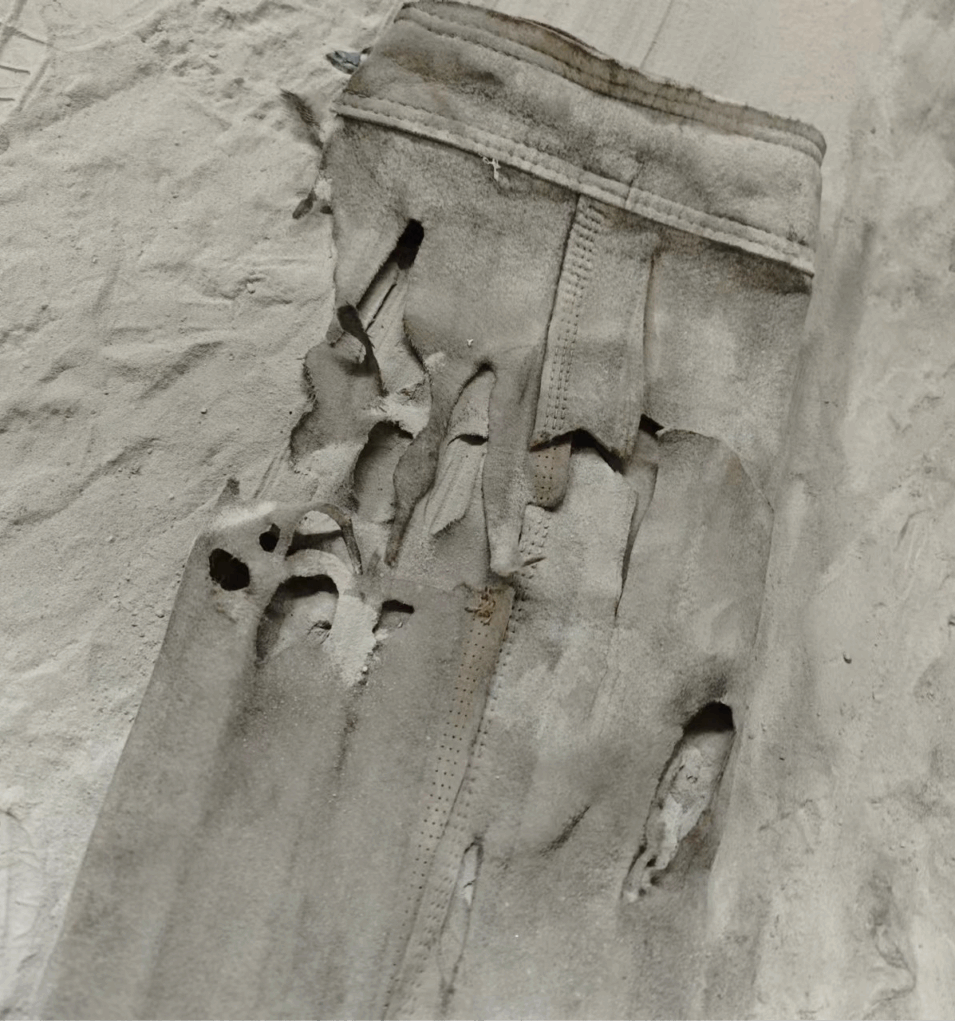

Thermal Degradation (Overheating)
This type of failure results from exposing the filter media to temperatures above its continuous operating limit or short-term excursion limit.
Causes include:
- Process upsets: Sudden spikes in process temperature (e.g., due to combustion issues, unexpected exothermic reactions like SiO oxidation, or equipment malfunctions upstream).
- Improper media selection: Using a filter material that is not rated for the actual operating temperature range.
- Lack of cooling: Insufficient pre-cooling of hot gas streams before they enter the dust collector.
- Hot embers/sparks: Entrainment of hot particles or embers can cause localized melting or burning.
- Fire: A fire within the dust collector (e.g., from combustible dust) will rapidly destroy bags.


Chemical Attack
Chemical attack occurs due to reactions between components in the gas stream (including moisture) and the filter fabric, leading to degradation of the material.
Causes includes:
- Acid/Alkali attack: Presence of acidic or alkaline gases (e.g., SOx, HCl, HF) reacting with the filter material, especially if the temperature drops below the acid dew point, causing condensation of corrosive liquids.
- Hydrolysis: Reaction of water with certain synthetic fibers (like polyester or acrylic) at elevated temperatures, leading to a loss of strength, embrittlement, and eventual failure. This is common if moisture is present with high temperatures.
- Oxidation: Degradation of the filter material due to oxidizing agents (e.g., oxygen, ozone, NOx) especially prevalent with certain media types like PPS at elevated temperatures.
- Improper media selection: Choosing a filter fabric that is not chemically compatible with the gas stream’s composition.
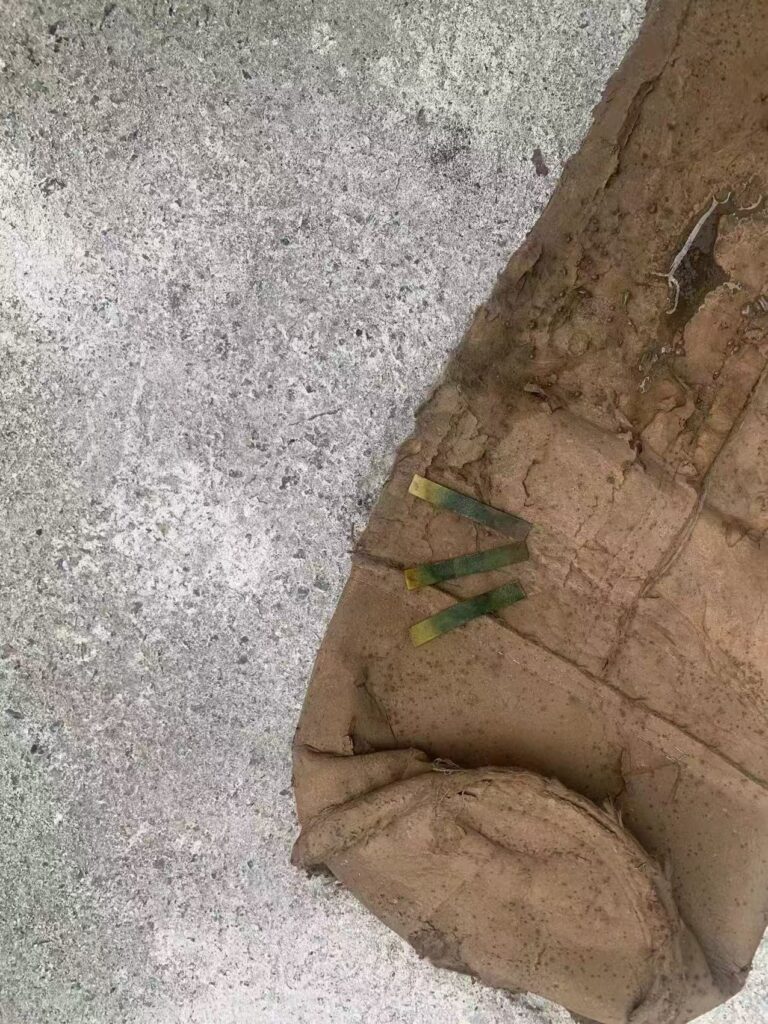

Blinding
Blinding, also known as clogging, happens when dust becomes permanently embedded in or adheres to the filter media, preventing airflow and cleaning.
Causes include:
- Moisture/Humidity: The Presence of moisture, condensation, or hygroscopic (water-absorbing) dusts can cause dust to become sticky, form a hard cake, or “mud,” which is difficult or impossible to remove by conventional cleaning.
- Condensation Blinding: When the gas temperature falls below the dew point, causing moisture to condense on the filter surface. This moisture makes dust particles stick together and form a dense, sticky layer that clogs the filter pores, blocks airflow, and sharply increases pressure drop.
- Oily and sticky dusts: Certain industrial processes produce dusts that are inherently sticky or contain oils, leading to rapid blinding.
- Improper cleaning: Insufficient cleaning (too low pressure, too infrequent pulsing, faulty cleaning mechanisms) allows dust to accumulate and become permanently embedded.
- Fine/Sub-micron dust: Extremely fine particles can penetrate and plug the pores of the filter media, especially if the filter media’s pore size is too large for the dust.
- Incorrect filter media: Using a filter with an inappropriate finish or construction for the dust characteristics.


Improper Installation
Errors made during the installation of new filter bags or cages can significantly reduce their lifespan.
Causes include:
- Poor seating: Snap-band bags not properly seated in the cell plate, leading to bypass.
- Damaged bags/cages: Bending or stepping on bags during installation, or reusing damaged/rusted cages, creating weak points or tears.
- Improper tension: Bags installed too loose or too tight, affecting cleaning efficiency and causing premature wear.
- Misaligned blowpipes: In pulse-jet systems, if blowpipes are not correctly aligned, the cleaning pulse can hit the bag at an angle, causing localized wear.
- Bags rubbing against housing/ductwork: If bags are too long or dimensions are incorrect for the specific collector.


Bag-to-Cage Fit Issues
The correct sizing and matching of the filter bag to its support cage are crucial for optimal performance and longevity.
Causes include:
- Too loose: Bag moves excessively on the cage, leading to rubbing and abrasion.
- Too tight: Bag is stretched, leading to stress on the fabric and potential tearing, or insufficient flex for effective cleaning.
- Insufficient cage wires: Cages with too few vertical wires provide inadequate support, allowing the bag to flex too much and rub against the cage wires.
System Design Flaws
Issues stemming from the initial design of the dust collector system can lead to chronic filter bag problems.
Causes include:
- Undersized baghouse: Too small for the airflow and dust loading, leading to high air-to-cloth ratios, high velocities, and rapid bag wear/blinding.
- Poor inlet design: Causes uneven dust distribution or localized high velocities, accelerating wear in specific areas.
- Inadequate dust discharge: If dust isn’t removed from the hopper quickly enough, it can build up and abrade the bottom of the bags, or allow dust re-entrainment.
By regularly inspecting filter bags, monitoring system performance (especially differential pressure), and adhering to proper installation and maintenance procedures, many of these common failures can be prevented, leading to extended filter life and optimal dust collector performance.