


Sektör İçgörüleri
How to Choose a Dust Filter Bag Manufacturer
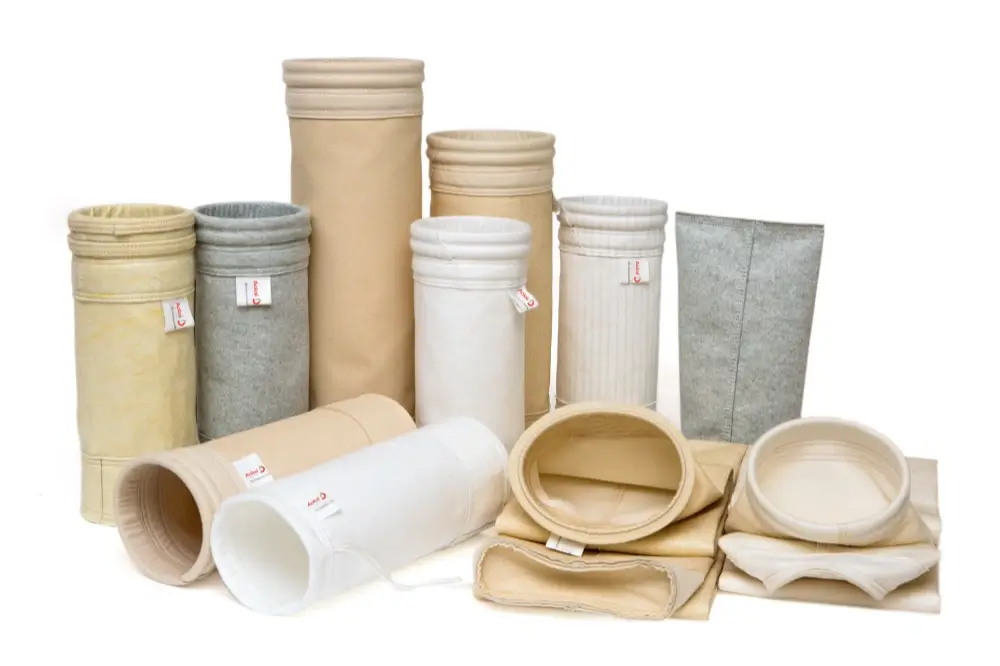
How to Choose a Dust Filter Bag Manufacturer?When customers contact Aokai, one of the first questions is often: “How much is this filter bag size?”Price matters, but it is rarely the only issue.The real problems often appear after installation. The bags may not fit the collector correctly, differential pressure may rise too quickly, dust release may be poor, or the bags may fail earlier than expected.
Choosing a dust filter bag manufacturer is not only about finding a supplier that can quote a size. You need a manufacturer that can understand your dust collector, operating conditions and replacement requirements before production begins.Below are the main points to check before placing an order.
What Should a Dust Filter Bag Manufacturer Ask Before Quoting?
A good quotation starts with questions.Before recommending a material, the manufacturer should first understand what the filter bags will actually face in operation.
Your Operating Conditions
The supplier should ask about:
• What industry and process is involved?
• What type of dust are you collecting?
• What is the normal operating temperature? Are there temperature peaks?
• Is there moisture or a risk of condensation?
• Does the gas contain acid, alkali, sulfur or other corrosive components?
• Is the dust abrasive, sticky or very fine?
• What cleaning method does the collector use?
• What problem are you having with the current bags?
A manufacturer that recommends PPS, Aramid or PTFE without asking these questions may be selling from habit rather than matching the bag to your process.
Your Existing Filter Bag Details
Even partial information can help.
A drawing, old bag sample or a few clear photos can show the supplier the bag diameter, length, top design, bottom design and possible failure areas. This is usually much more useful than providing only a material name.
2. Can an Industrial Filter Bag Manufacturer Match Your Baghouse Design?
The right filter media does not guarantee that the filter bag will fit or perform correctly.
Bag construction has to match the dust collector.

Pulse-Jet, Reverse-Air and Shaker Collectors
Different baghouse systems need different filter bag structures.
• Pulse-jet collectors usually use filter cages and snap band filter bags.
• Reverse-air collectors often use hanging or tensioning systems.
• Shaker baghouses put repeated stress on the bags, so seam strength and reinforcement become more important.
The manufacturer should understand the tube sheet opening, cage dimensions, installation method and cleaning system before confirming the bag design.
Bag Top, Bottom and Installation Details
A small difference in the bag top or bottom can cause a major installation problem.
Before production, confirm:
• Bag diameter and length
• Snap band, cuff, steel ring, flange or loop
• Bottom style
• Sewing thread and seam construction
• Reinforcement at high-stress points
• Cage or suspension compatibility
Aokai can customize filter bags for international customers based on their specific requirements, including bag dimensions, filter media, finishing treatments, and other special specifications.
3. Does the Dust Collector Filter Bag Supplier Offer Suitable Filter Media?
The question is not simply: “Do you have PPS?” or “Do you have PTFE?”
The more useful question is: “Why is this material suitable for my application?”
Material Selection Should Match the Process
Different conditions call for different materials.
• Polyester is widely used for many general dry dust applications.
• Acrylic can offer better resistance to moisture and hydrolysis.
• PPS is commonly considered for sulfur-containing flue gas conditions.
• Aramid and P84 are often selected for higher-temperature applications.
• PTFE is used where chemical resistance is especially important.
• Fiberglass is used in certain very high-temperature conditions.
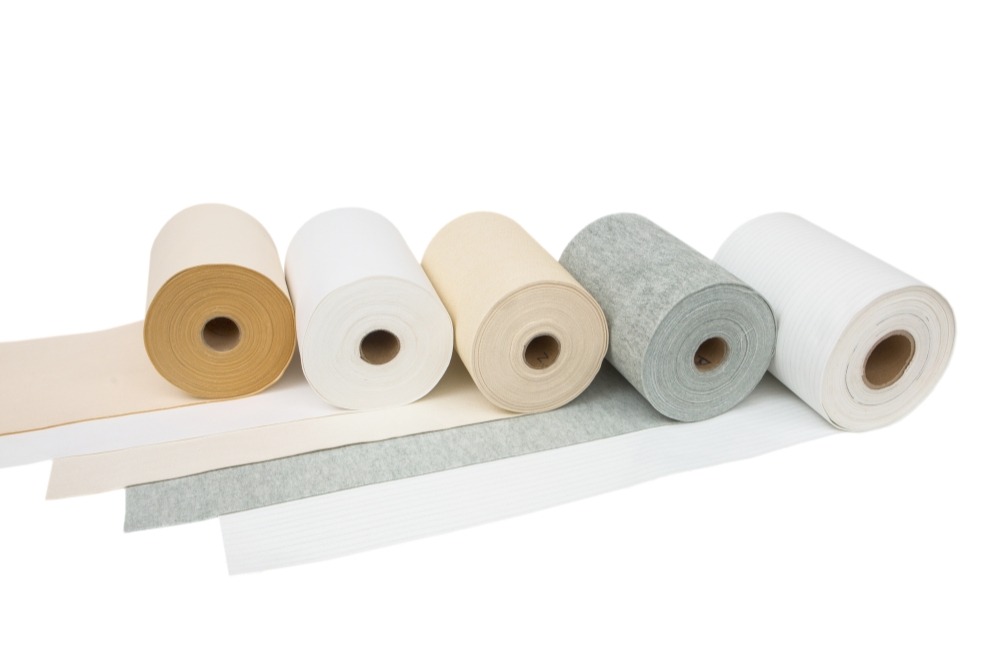
The best choice is not always the most expensive material or the one with the highest temperature rating. It should match your gas chemistry, moisture level, dust characteristics and cleaning conditions.
Finishing Options Also Matter
Depending on the application, the bag may need:
• PTFE membrane
• Anti-static treatment
• Water and oil repellent treatment
• Singeing
• Glazing
• Heat setting
For example, a membrane may help with fine or sticky dust, while anti-static construction may be needed where static control is part of the system requirement.
4. Can the Manufacturer Produce Özel Filtre Torbaları?
Many industrial filter bags are not standard products.A supplier may have standard sizes in stock, but replacement projects often require custom dimensions, bag tops, bag bottoms or special sewing details.
Custom Dimensions and Construction
Ask whether the manufacturer can make:
• Custom diameter and length
• Snap bands, cuffs, steel rings, flanges and loops
• Round, flat, open or reinforced bottoms
• Special seam construction
• Reinforced wear areas
• Custom labels and export packaging
A genuine custom manufacturer should be able to work from a drawing, sample or existing bag photo.
Custom Treatment and Performance Requirements
Some projects also require special finishing options, such as PTFE membrane, anti-static construction or water and oil repellent treatment.These details should be confirmed before production, not after the bags arrive at the site.
5. What Quality Checks Are Completed Before Shipment?
Filter bags are often installed during shutdown periods. If the dimensions or bag construction are wrong, the whole maintenance schedule can be affected.
Before ordering, ask what the supplier checks before shipment.
Basic Checks Worth Confirming
The inspection process may include:
• Filter media weight and thickness
• Air permeability
• Bag diameter and length
• Sewing quality
• Bag top and bottom construction
• Surface appearance
• Quantity and packaging condition
For important projects, it is also useful to ask whether production photos, inspection photos or batch records can be provided.
6. Can They Help When Filter Bags Fail?
A failed filter bag is not always a filter bag quality problem.
The cause may be high temperature, condensation, chemical attack, cage abrasion, poor cleaning settings, installation damage or a change in operating conditions.
Look for Problem-Solving Support
When bags fail early, the supplier should be able to help review:
• Where the bag failed
• Whether the damage is on the body, seam, top or bottom
• Whether the cage caused abrasion
• Whether dust has penetrated into the media
• Whether the pressure drop increased before failure
• Whether temperature, moisture or gas conditions have changed
Simply ordering the same bag again may not solve the issue. The next bag may need a different material, construction or finishing treatment.
7. How Should You Compare Quotations From Different Suppliers?
Two quotations can look similar while describing very different products.
Do not compare price alone. Compare the full specification.
Check These Details Before Comparing Prices

• Fiber composition
• Filter media weight and thickness
• Air permeability
• Surface treatment
• Bag dimensions
• Bag top and bottom construction
• Sewing thread
• Reinforcement details
• Quantity and packaging
• Delivery terms
A lower-priced bag may become more expensive if it needs to be replaced sooner, increases compressed-air consumption or causes unexpected downtime.
Final Thoughts: Choosing the Right Dust Filter Bag Manufacturer
The right dust filter bag manufacturer is not simply a company that can provide a fast quotation.
They should understand your operating conditions, match the bag to your collector, explain material options clearly, support custom construction and help when problems occur.
Before ordering, send your drawing, old filter bag sample or product photos together with your operating information. That small step can prevent a wrong order and help ensure the replacement bags fit and perform as expected.
