


Sektör İçgörüleri
Fiberglas Filtre Torbaları: Kopma Mukavemeti ve Kullanım Ömrü Analizi
Endüstriyel toz toplama alanında, fiberglas filtre torbaları Çimento, çelik, gübre ve enerji üretimi gibi endüstrilerde, mükemmel yüksek sıcaklık dayanımları ve kimyasal kararlılıkları nedeniyle tercih edilmektedirler. Bununla birlikte, filtre torbası arızalarını önlemek ve bakım döngülerini optimize etmek için fiziksel sınırlarını ve mukavemet kaybı modellerini anlamak kritik öneme sahiptir.
Endüstriyel toz toplama sistemlerinde maliyet düşürme ve verimlilik artışı sağlamak için fiberglas filtre torbalarının temel parametrelerini anlamak esastır. Jiangsu Aokai Laboratuvarı tarafından yeni ve kullanılmış fiberglas filtre torbalarının farklı konumlardaki kopma dayanımı üzerine yayınlanan en son deneysel çalışma değerli bilgiler sağlamaktadır.
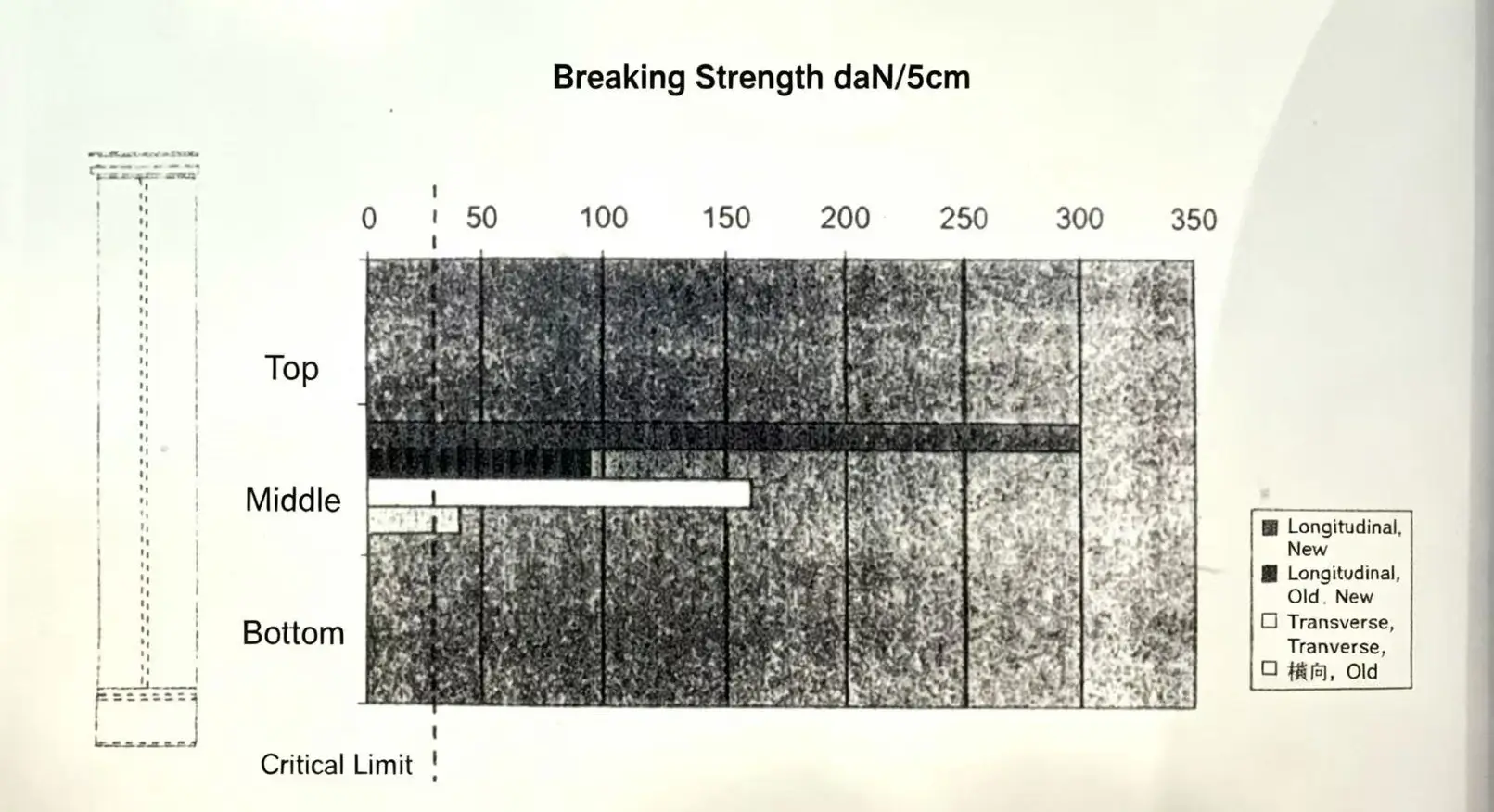
Yeni ve kullanılmış fiberglas filtre torbalarının farklı kısımlarındaki kopma mukavemeti üzerine deneysel veriler
1. Kopma Dayanımı Neden Temel Bir Metrik?
Kopma dayanımı (daN/5cm cinsinden ölçülür), filtre torbasının darbe-jet temizleme basıncı, baca gazı etkisi ve mekanik destek altındaki dayanıklılığını doğrudan belirler. Kullanılmış parçaların segmentlere ayrılmış test edilmesi fiberglas filtre torbaları güç kaybının düzensiz dağıldığını ortaya koyuyor
- Üst Genellikle minimum aşınma ile yüksek orijinal mukavemetini korur.
- Orta Kuvvetin önemli ölçüde azalmaya başladığı bu yer, baskı ve filtrasyon için ana alandır.
- Alt Genellikle en fazla mekanik gerilimin yoğunlaştığı alan; aşırı temizleme basıncı da burada en şiddetli mukavemet kaybına neden olur.
Yukarıdaki bulgulara dayanarak, filtre torbasının farklı bölümleri için hedeflenmiş optimizasyon stratejileri benimsenmelidir. Mekanik gerilme, toz yüklenmesi ve tekrarlanan temizleme döngülerinin birleşik etkilerinin malzeme yorgunluğunu hızlandırdığı dip ve orta bölümler özellikle savunmasızdır. Mukavemet operasyonel eşiğin altına düştüğünde, beklenmedik bir şekilde kırılmalar meydana gelebilir.
Fiberglas filtre torbaları seçerken, hem boyuna hem de enine mukavemet performansına odaklanmak esastır:
- Yeni Çantalar: Boyuna ve enine mukavemetler tipik olarak en yüksek seviyelerdedir ve endüstriyel güvenlik hatlarının çok ötesine geçer.
- Eski Çantalar Zamanla, uzunlamasına dayanım (dikey gerilime maruz kalan) kafes tarafından desteklenen enine dayanım'dan daha hızlı bir şekilde bozulma eğilimindedir.
Kullanılmış filtre torbalarında bu mukavemet kaybı farkı doğrudan mekanik arıza riskini artırmaktadır. Boyuna mukavemetin daha hızlı azalmasıyla, kullanılmış filtre torbaları, özellikle darbe-jetli temizlik kuvvetleri ve biriken tozun ağırlığı altında, dikey yırtılmalara karşı daha hassas hale gelir. Bu durum genellikle torba boyunca ani yırtılmalara yol açarak sistem sızıntılarına ve verimlilik kaybına neden olur.
2. “Kritik Limit”: 30 daN/5cm'ye dikkat edin.
Teknik araştırma, hayati bir Kritik Sınır güvenli çalıştırma için fiberglas filtre torbaları, hangisi 30 daN/5cm.
Uzman İpucu: Kopma mukavemeti 30 daN/5cm'nin altına düştüğünde, filtre torbası “oldukça savunmasız” bir duruma girer. Bu noktada, küçük basınç dalgalanmaları veya mekanik etkiler, aşırı toz emisyonlarına veya acil duruşlara yol açan feci mekanik arızalara neden olabilir.
3. Yüksek Sıcaklık Hidrolizi: “Sessiz Katil”
Cam elyafları aşırı ısıya dayanıklı olmasına rağmen, hidroliz reaksiyonları belirli koşullar altında oluşabilir.
Deneysel veriler, cam elyafın moleküler yapısının aşağıdaki koşullar karşılandığında ciddi şekilde hasar gördüğünü göstermektedir:
- Çalışma Sıcaklığı (t): 230°C
- Nemlilik/Nem İçeriği (φ): 15%
Bu kadar yüksek sıcaklık ve nemli ortamlarda cam liflerinin gevreklikleri artar ve kopma dayanımları hızla 30 daN/5cm'lik kritik değere doğru düşer.
4. Fiberglas Filtre Torbalarının Ömrünü Uzatmak İçin Neler Yapılmalı?
Verimli çalışmayı sağlamak ve değiştirme maliyetlerini azaltmak için şunları öneririz:
- Periyodik Testler: Güç testleri için eski çuvalları yılda bir çıkararak 30 daN/5cm limitine yakınlığı izleyin. Durum İzleme 230 °C'nin üzerindeki sıcaklıklarda ve 'i aşan nem oranlarında uzun süreli kullanımdan kaçının.
- Kesin Seçim Yüksek stresli ortamlar için, esneklik direncini ve kimyasal kararlılığı artırmak üzere özel kaplamalı (örneğin, PTFE emprenye veya membran) güçlendirilmiş torbaları seçin.
- Alt Giyim Ürünlerine Odaklanın: Filtre torbasının alt kısmına dikkatle bakın, çünkü burası genellikle en zayıf halkadır ve mukavemetin en hızlı düştüğü yerdir.
Neden Yüksek Performanslı Fiberglas Çözümlerimizi Seçmelisiniz?
Kaliteli seçmek fiberglas filtre torbaları mekanik arıza ve hidroliz risklerini ele almak için ilk adımdır. Yukarıda belirtilen, fiberglas serimiz üç temel avantaj sunmaktadır: 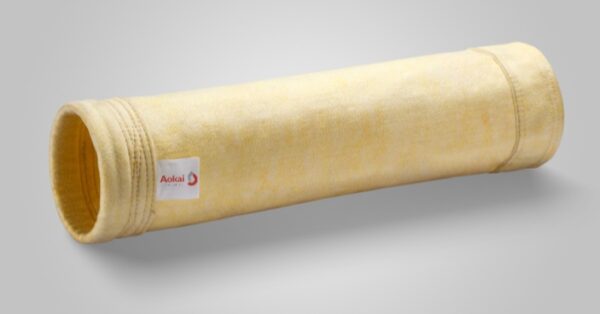
- Üstün Başlangıç Gücü Çantalarımız, standart ürünlerden önemli ölçüde daha yüksek bir başlangıç kopma mukavemeti sağlayan birinci sınıf E-cam filamentleri ile tasarlanmıştır ve 30 daN/5cm kritik sınırına ulaşmadan çok daha büyük bir güvenlik payı sunar.
- Gelişmiş Anti-Hidroliz Formülü Özel kimyasal işlemimiz ve PTFE membran teknolojimiz sayesinde, torbalarımız 230 °C / 151 °F sıcaklık ve nemli zorlu ortamlarda bile yapısal bütünlüğünü korur ve liflerin kırılganlığını etkili bir şekilde önler.
- Geliştirilmiş Esneklik Dayanıklılığı Dokuma desenini ve boyuna takviyeyi optimize ederek, çantanın en hassas bölgeleri olan “Orta” ve “Alt” kısımlarının mekanik dayanıklılığını artırıyor ve böylece çantanın genel kullanım ömrünü -30 oranında uzatıyoruz.
30 daN/5cm'lik bir arızayı beklemeyin. İç rahatlığı ve daha düşük işletme maliyetleri için hemen uzun ömürlü filtreleme çözümlerimize geçin.
