


Dust filter bags are key components in baghouse dust collection systems. They help capture dust, reduce emissions, protect equipment, and keep industrial production running smoothly. However, dust filter bags are consumable parts, and their performance will gradually decline under long-term operation.
For factories, filter bag service life directly affects maintenance cost, production downtime, emission stability, and dust collector performance. If the filter bags fail too early, the system may face high pressure drop, dust leakage, frequent shutdowns, and higher replacement costs. Therefore, improving filter bag service life is an important goal for many industrial plants.
1. Choose the Right Filter Bag Material
The first step to improve filter bag service life is selecting the right filter media according to the real working conditions. Different filter materials have different resistance to temperature, moisture, chemicals, and abrasion.
Common dust filter bag materials include Polyester, Acrylic, Aramid, PPS, PTFE, P84, and Fiberglass. Polyester filter bags are often used in normal temperature applications, while Aramid, PPS, PTFE, P84, and Fiberglass filter bags are more suitable for high-temperature or more demanding industrial conditions.
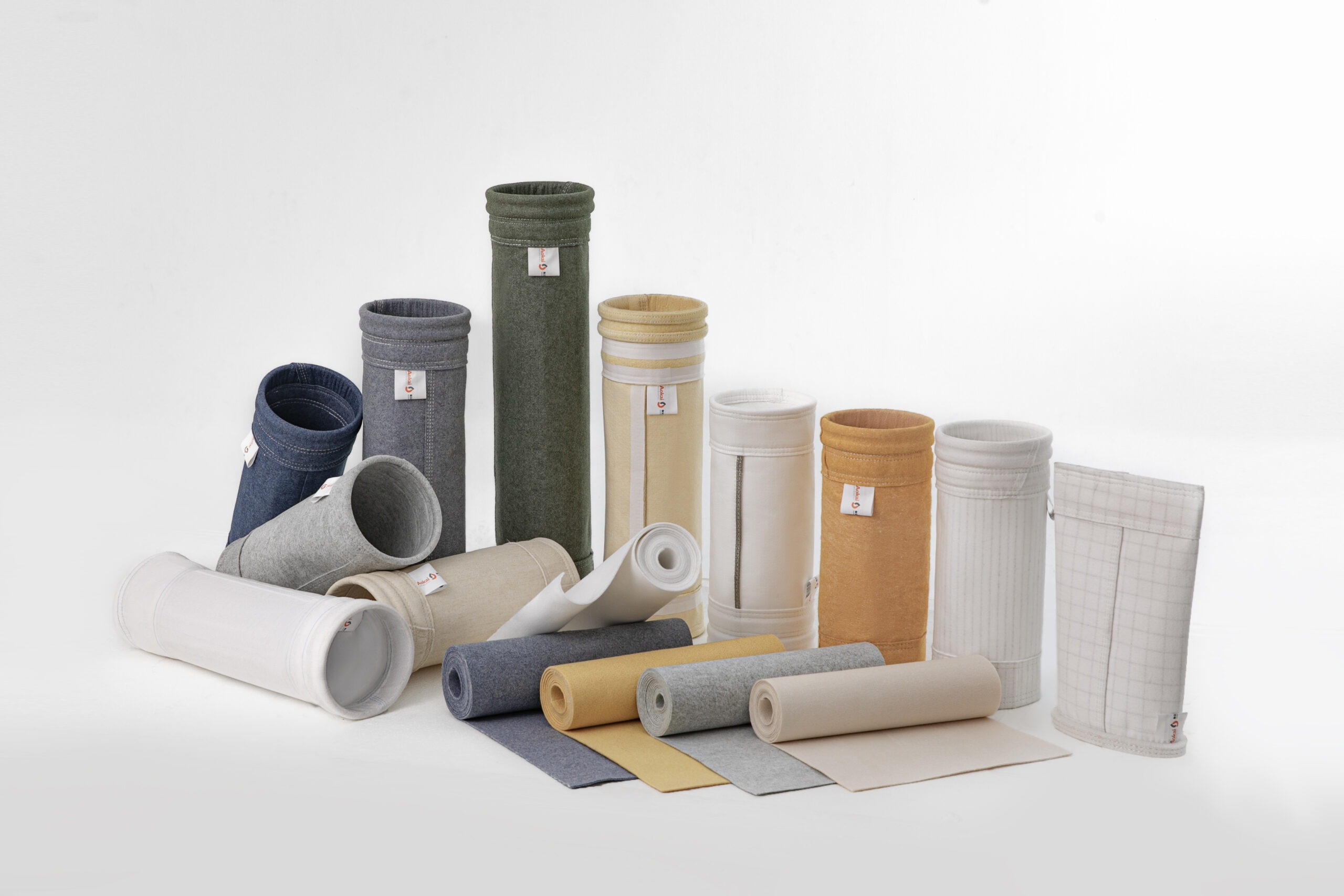
Before choosing filter bags, users should confirm the operating temperature, dust type, moisture content, chemical composition, air-to-cloth ratio, cleaning method, and emission requirements. If the material is not suitable, filter bag service life may be shortened by shrinkage, hardening, corrosion, clogging, or breakage.
2. Control the Operating Temperature
Temperature is one of the most important factors affecting filter bag service life. If the temperature is too high, the filter media may lose strength, become brittle, or even fail. If the temperature is too low and reaches the dew point, condensation may occur inside the dust collector, causing sticky dust and bag clogging.
To protect the filter bags, the operating temperature should stay within the recommended range of the selected filter material. Sudden temperature changes, sparks, and condensation should also be avoided.
For high-temperature industries such as asphalt mixing plants, cement plants, boilers, steel plants, and waste incineration, choosing suitable high-temperature filter bags is essential for longer filter bag service life.
3. Prevent Moisture, Oil, and Chemical Corrosion
Moisture, oil mist, acid gases, and alkaline components can damage the fiber structure of filter media. These factors can reduce filtration performance and shorten filter bag service life.
For humid, oily, acidic, or chemically aggressive working conditions, users should consider water and oil repellent filter bags, PTFE membrane filter bags, or corrosion-resistant filter media. These options can reduce dust adhesion, improve pulse cleaning performance, and help extend filter bag service life.
4. Optimize Pulse-Jet Cleaning
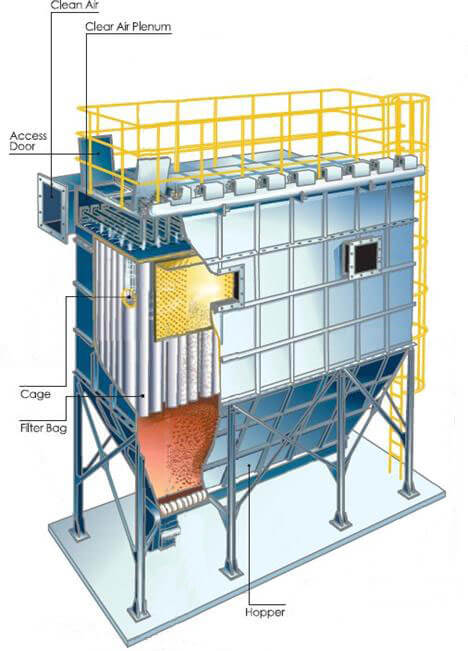
Pulse-jet cleaning removes dust from the surface of filter bags. However, improper cleaning settings can damage the bags. If the cleaning pressure is too high, it may damage the fabric, sewing thread, or bag mouth. If the pressure is too low, dust cannot be removed effectively, leading to high pressure drop and clogging.
A stable pulse cleaning system should use suitable compressed air pressure, reasonable cleaning frequency, and correctly aligned blow pipes. Pulse valves, solenoid valves, and compressed air systems should be checked regularly. Proper cleaning helps maintain stable dust collector performance and improves filter bag service life.
5. Keep a Stable Pressure Drop
Pressure drop is an important indicator of dust collector operation. A high pressure drop may indicate bag clogging, excessive dust loading, moisture problems, or poor cleaning performance. A very low pressure drop may indicate broken bags or air leakage.
Regular pressure drop monitoring can help users find problems early. A stable pressure drop reduces unnecessary stress on the filter bags and supports longer filter bag service life.
6. Reduce Mechanical Abrasion
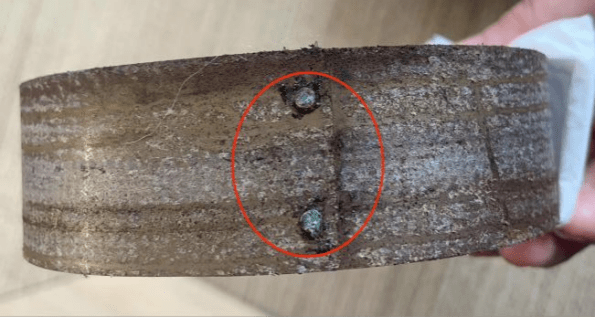
Mechanical abrasion is a common reason for short filter bag service life. It may be caused by abrasive dust, high airflow velocity, poor airflow distribution, damaged cages, or friction between filter bags.
To reduce abrasion, dust collector cages should be smooth, straight, and free from rust or burrs. Filter bags should be installed correctly and should not rub against sharp parts, the dust collector wall, or nearby bags.
For abrasive dust applications such as cement, mining, steel, and building materials, abrasion-resistant filter media or reinforced filter bag structures may be required to improve filter bag service life.
7. Install and Maintain Filter Bags Correctly
Correct installation is also important for filter bag service life. Poor installation may cause air leakage, poor sealing, cage friction, bag mouth damage, or uneven tension.
During installation, workers should check the filter bag size, bag mouth sealing, cage quality, and installation position. Filter bags should not be twisted, folded, dragged, or damaged.
Regular dust collector maintenance is also necessary. Users should inspect filter bags, cages, pulse valves, hopper discharge, air leakage, and condensation problems. Good maintenance can prevent early filter bag failure and improve filter bag service life.
Sonuç
Filter bag service life depends on many factors, including filter media selection, operating temperature, moisture, chemical corrosion, abrasion, pulse cleaning, pressure drop, installation quality, and dust collector maintenance.
To extend filter bag service life, factories should choose the right filter bag material, control operating conditions, optimize cleaning performance, monitor pressure drop, and maintain the dust collector regularly.
Jiangsu Aokai Environmental Technology Co., Ltd. is a professional dust filter bag manufacturer in China. We provide dust filter bags, industrial filter cloth, needle felt filter media, PTFE membrane filter media, and dust collector cages for cement, asphalt, steel, power generation, chemical, mining, biomass, and other industrial dust collection systems.
If you want to improve filter bag service life or need help selecting suitable filter bags for your working conditions, Aokai can provide customized filtration solutions.
SSS
What affects filter bag service life?
Filter bag service life is affected by operating temperature, dust type, moisture, chemical corrosion, mechanical abrasion, cleaning pressure, installation quality, and dust collector maintenance.
How can I extend filter bag service life?
You can extend filter bag service life by choosing the right filter media, controlling temperature and moisture, optimizing pulse-jet cleaning, monitoring pressure drop, and maintaining the dust collector regularly.
When should dust filter bags be replaced?
Dust filter bags should be replaced when they are broken, clogged, hardened, worn, chemically damaged, or unable to meet emission and pressure drop requirements.
